At Los Alamos National Laboratory, knowledge is the foundation of our national security mission. The Lab’s success depends on how effectively we collect, share, and apply what we know. For more than eight decades, every experiment and innovation has drawn from and built upon knowledge created by previous generations. We continue to stand on the shoulders of those who came before us, and we are working to preserve today’s knowledge for the next generation of national security science leaders.
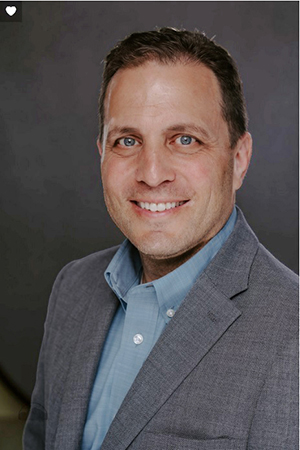
Weapons Research Services—the Lab’s data division, which I direct—links decades of weapons research, design, and testing to the national security work underway today. In this division, our core duties include:
- the management and accessibility of the Lab’s classified library and its collections,
- the oversight and development of secure weapons program network systems software and operational technology tools, and
- the capture and dissemination of multidisciplinary knowledge and experimental data.
As the information backbone of the Lab’s Weapons programs, the division’s job is to empower scientists, engineers, and researchers to think faster, act strategically, and stay ahead in an evolving threat landscape.
Throughout this magazine, you will read about ways we preserve knowledge (such as the work of the National Security Research Center), how we protect knowledge (such as the role of classification, countersubversion, and cyber assurance teams), and the methods we use to share knowledge (such as the way the Lab is transforming weapons learning). You’ll explore a new way to train the next generation of accelerator physicists and meet a Los Alamos Air Force Fellow whose work involves training the next generation of pilots who field the nation’s strategic deterrent.
Preserving and accessing knowledge is important now more than ever for our nuclear deterrent. When asked how legacy data drives modern innovation, I often point to the nuclear weapons production records from the now-shuttered Rocky Flats Plant. Decades ago, teams there built thousands of plutonium pits (the cores of nuclear weapons) and documented every process in detail. Today, that documentation enables us to make more informed decisions and deliver more effective results. And speaking of pit production, go behind the scenes as writer Jill Gibson learns how to work in a glovebox.
Many of the stories in this issue interrelate, demonstrating how much of “knowledge” depends on connecting the dots. For example, former Lab Director Don Kerr started the Laboratory Fellows program. Kerr also greenlit what is today the National Security Research Center, which was instrumental in preserving photos of actor Charlton Heston’s 1983 visit to the Lab. That year was also the Laboratory’s 40th anniversary, during which a young Steve Cambone was present. Today, Cambone, a seasoned defense strategist and former under secretary of defense, leads the Lab’s Strategic Assessment and System Analysis Office, established to assist Los Alamos leadership in critically evaluating the Laboratory’s national security initiatives and their alignment with broader national objectives.
You will see that the stories in this issue look beyond systems and structures to the human element: the importance of mentorship, collaboration, and the deliberate transfer of tacit knowledge for those lessons that can’t be found in manuals or databases. We will introduce you to some of the people we call knowledge warriors and see how their efforts contribute to the same goal: ensuring that the Laboratory’s collective knowledge remains vibrant, connected, and ready to serve our mission for generations to come.
Knowledge is not static, it’s living, evolving, and shared. This issue celebrates the people and programs that keep it alive at Los Alamos National Laboratory. ★