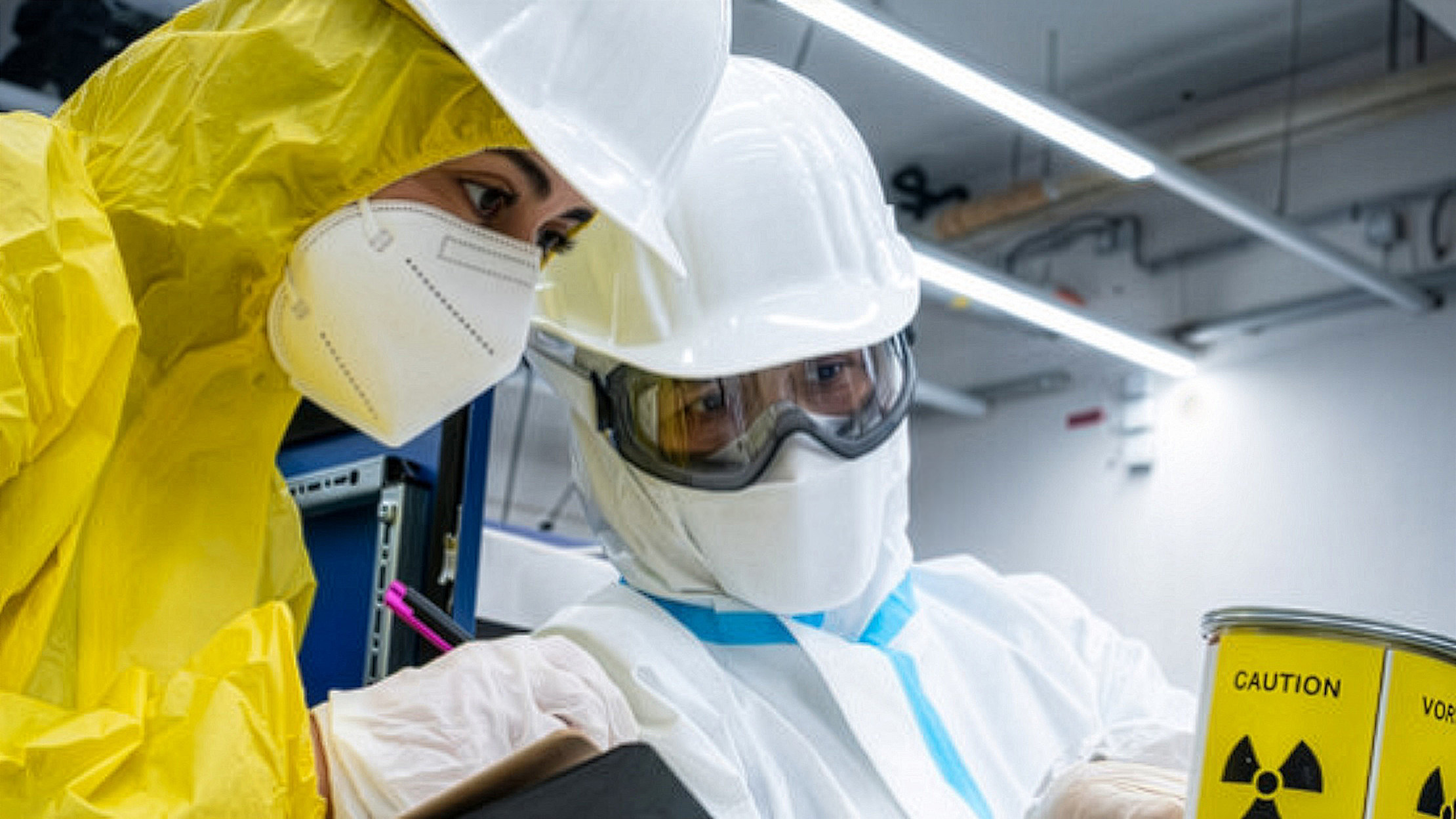
After the advent of nuclear weapons during the Manhattan Project, it became evident that international cooperation was essential to prevent the proliferation of such technology. Efforts such as the 1946 Baruch Plan, which proposed firm international control over weapons to ensure the peaceful use of nuclear energy, failed due to opposition from the Soviet Union. In time, safeguards emerged as the primary mechanism to prevent proliferation, including measures to verify that countries adhere to their commitments to avoid using nuclear materials for weapons purposes.
Nuclear materials emit distinctive radioactive signatures, making safeguards dependent on a range of detection instruments—most of which did not even exist when nonproliferation principles were first introduced. From the outset, Los Alamos National Laboratory has been at the forefront of developing nondestructive assay (NDA) instruments, particularly those designed for neutron detection, and has established a globally recognized training program dedicated to their use—the Safeguards and Security Technology Training Program (SSTTP). This program has shown impressive longevity, marking its 50th anniversary in 2023. In this article, we explore the program’s history within the broader context of safeguards history and the evolution of NDA technology.
History of safeguards
Formalized international safeguards began in 1957 with the establishment of the International Atomic Energy Agency (IAEA) under the United Nations, which functions as the world’s nuclear inspectorate and is the international center for cooperation in the nuclear field. The aims of the IAEA are to prevent nuclear weapons proliferation, build trust among nations, balance energy and security goals, and address emerging threats. In practice, achieving these objectives requires a dedicated team of highly skilled inspectors—along with nuclear experts and political advisors—who collectively work together to promote global security.
The IAEA became the implementing body for the modern cornerstone of nuclear safeguards, the Non-Proliferation Treaty (NPT), when the treaty was established in 1968. Under the NPT, non-nuclear-weapon states agree not to develop nuclear weapons in exchange for access to peaceful nuclear technology. As of early 2025, according to the IAEA, 32 countries operate nuclear power plants, with another 30 planning to begin programs, but only nine possess nuclear weapons. The IAEA is responsible for safeguarding 230,754 significant quantities of nuclear material worldwide, encompassing 1,353 nuclear facilities (a “significant quantity” of nuclear material is defined as the minimum amount that could be used to manufacture a nuclear explosive device).
This mission requires navigating a complex geopolitical landscape and can be highly demanding, at times even requiring missions to conflict zones. For example, in 2022, IAEA inspectors undertook a critical mission to the Zaporizhzhia Nuclear Power Plant in Ukraine (now under Russian control) to assess and ensure its safety amidst the ongoing war.
Los Alamos and the establishment of international safeguards
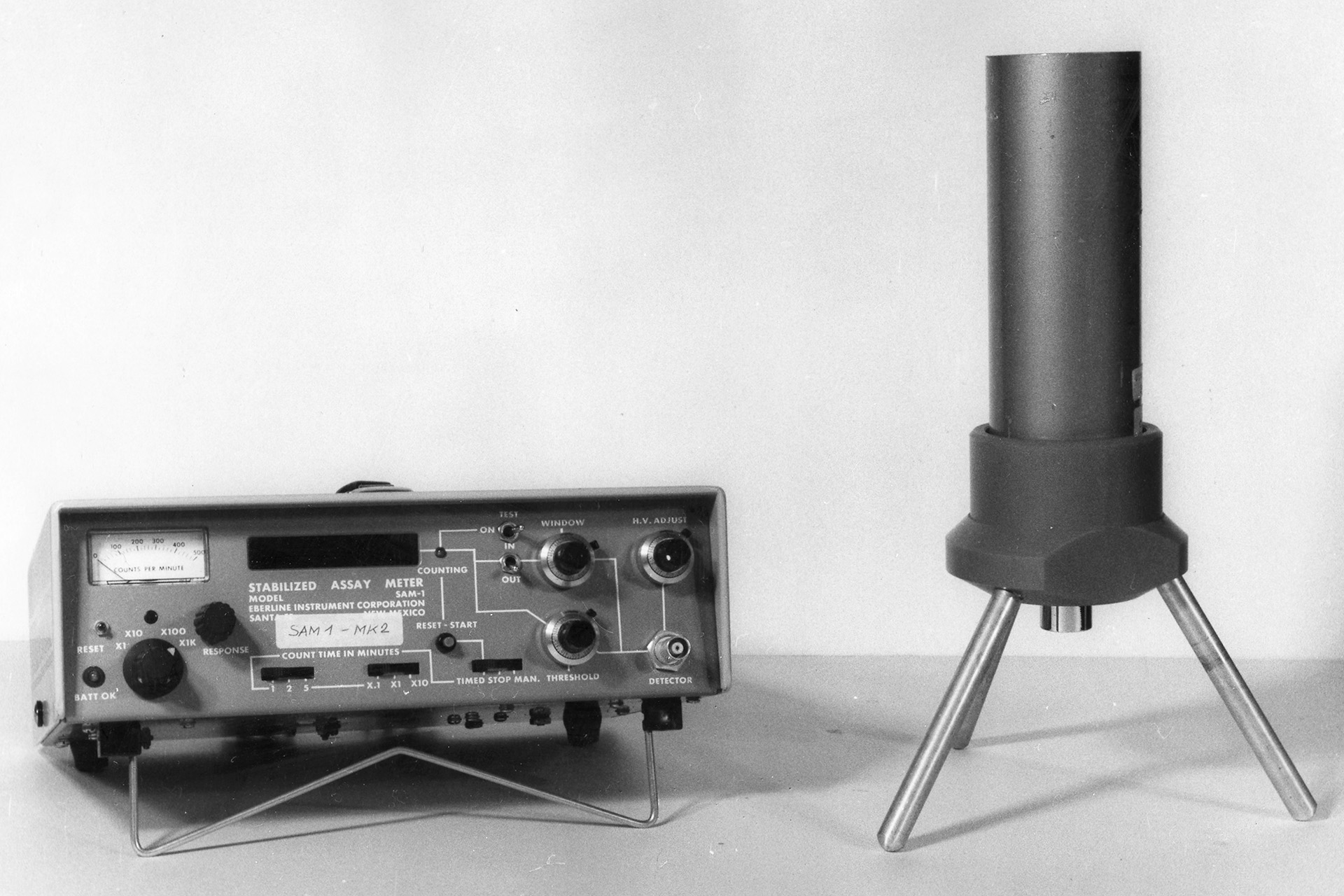
Los Alamos has a long history of developing technology for nuclear safeguards and global security. This originated with physicist Bob Keepin, who, after returning from a two-year stint at the IAEA in 1966, established the Los Alamos Nuclear Safeguards Program, where he pioneered the development of NDA technology. Contrasting with the traditional, destructive forms of analysis that involved removing material from facilities and sending it to laboratories for analysis, these tools were better suited to performing inspections, which often have to be carried out quickly and on location.
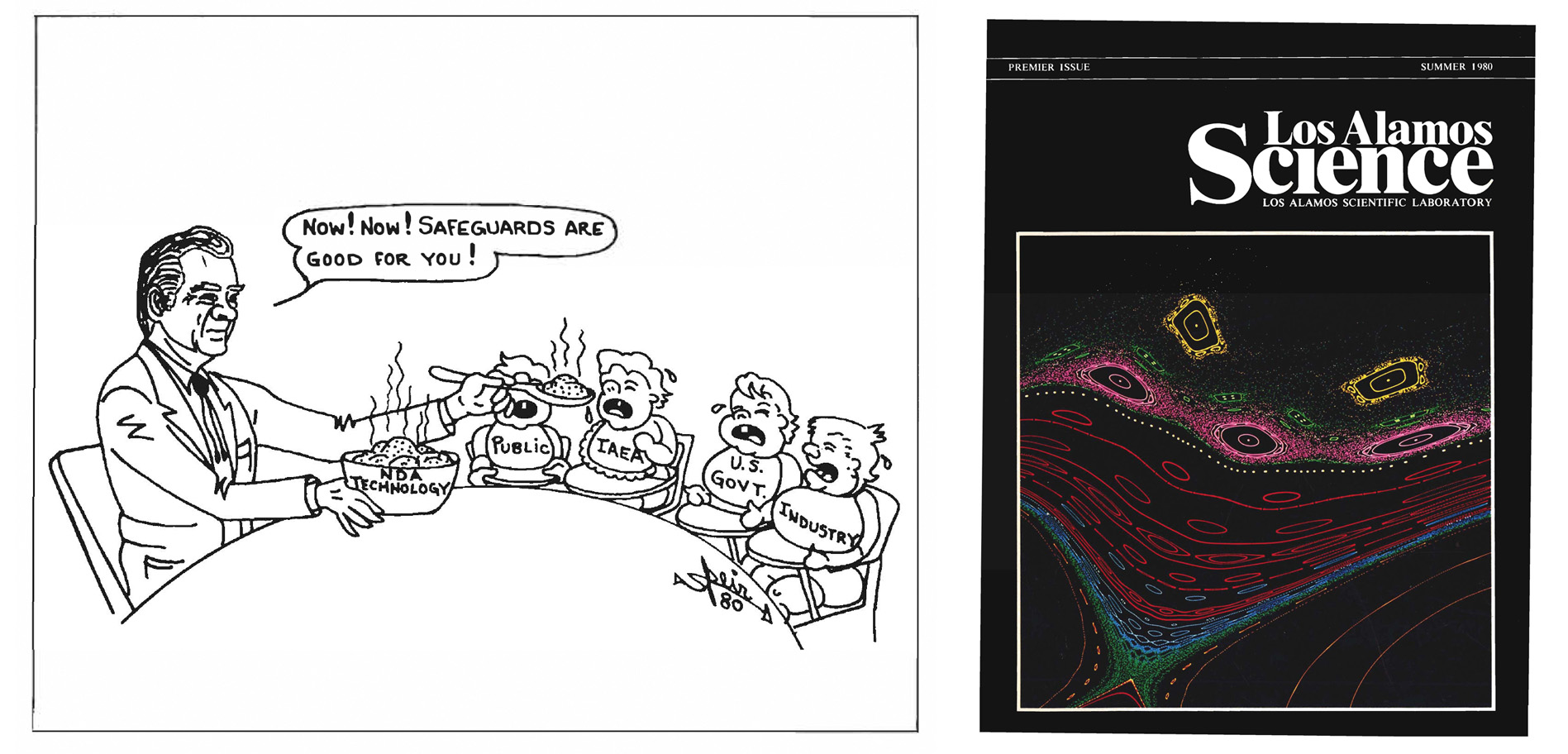
The Laboratory at the time also faced a pressing need—establishing an internal accounting system for the nuclear materials used in its research and development (R&D) endeavors. NDA instruments were perfectly suited for this application as they allowed an inventory to be performed without affecting the integrity of the materials (see Atomic Management: The DYMAC 2.0 Initiative for a detailed account of the DYMAC initiative). By the early 1970s, Keepin’s research program had become the premier safeguards R&D program in the world and produced many instruments that are now staples in the safeguards inspector’s toolkit.
NDA training at Los Alamos
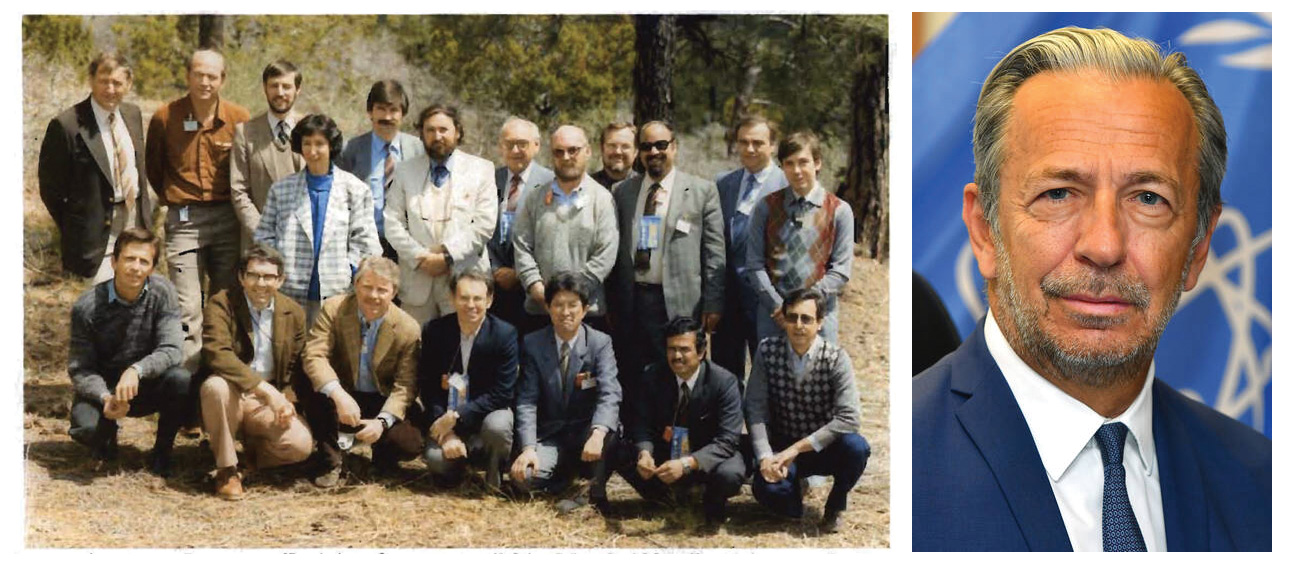
Early on in the safeguards research program, it became evident that IAEA inspectors and other NDA users needed supplemental training—having developed many of these NDA tools, Los Alamos assumed responsibility for training inspectors on the tools’ use. In 1973, the course Fundamentals of Nondestructive Assay with Portable Instrumentation was offered by the Laboratory and has been presented almost every year since. From this seed, many new branches have sprouted, now composing the Safeguards and Security Technology Training Program (SSTTP), which celebrated its 50th anniversary in 2023. Over this time, more than 400 courses have been conducted as part of the SSTTP, training 7,000 participants from over 50 countries—including over 1,000 IAEA inspectors. Since 1980, all new IAEA inspectors have been required to come to Los Alamos to complete a two-week NDA course within their first year on the job.
The impressive attendance figures are testament to the unique aspects of the program, which is unparalleled anywhere else in the world. Marc Ruch, the director of the SSTTP, explains, “Inspectors come here and get to learn on the real equipment that they use, by people who are either the developers or at least the experts in the field on that equipment.” With Los Alamos remaining at the forefront of NDA instrumentation, this level of expertise is rare and highly valuable in the world of safeguards.
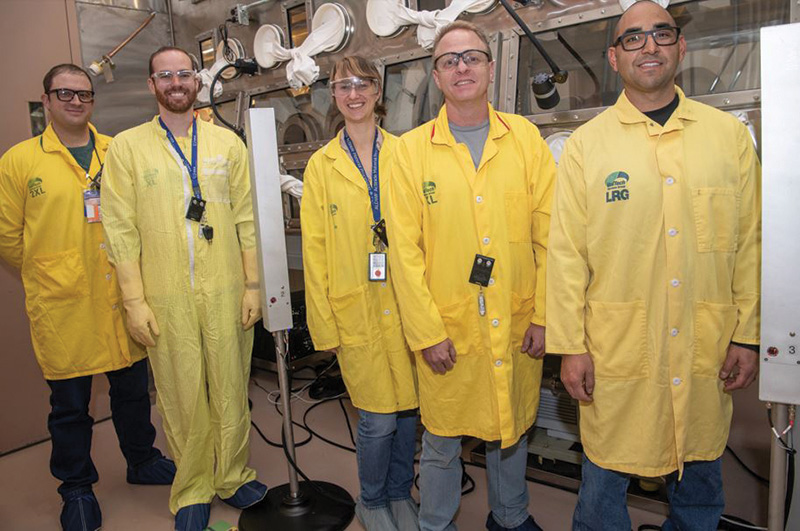
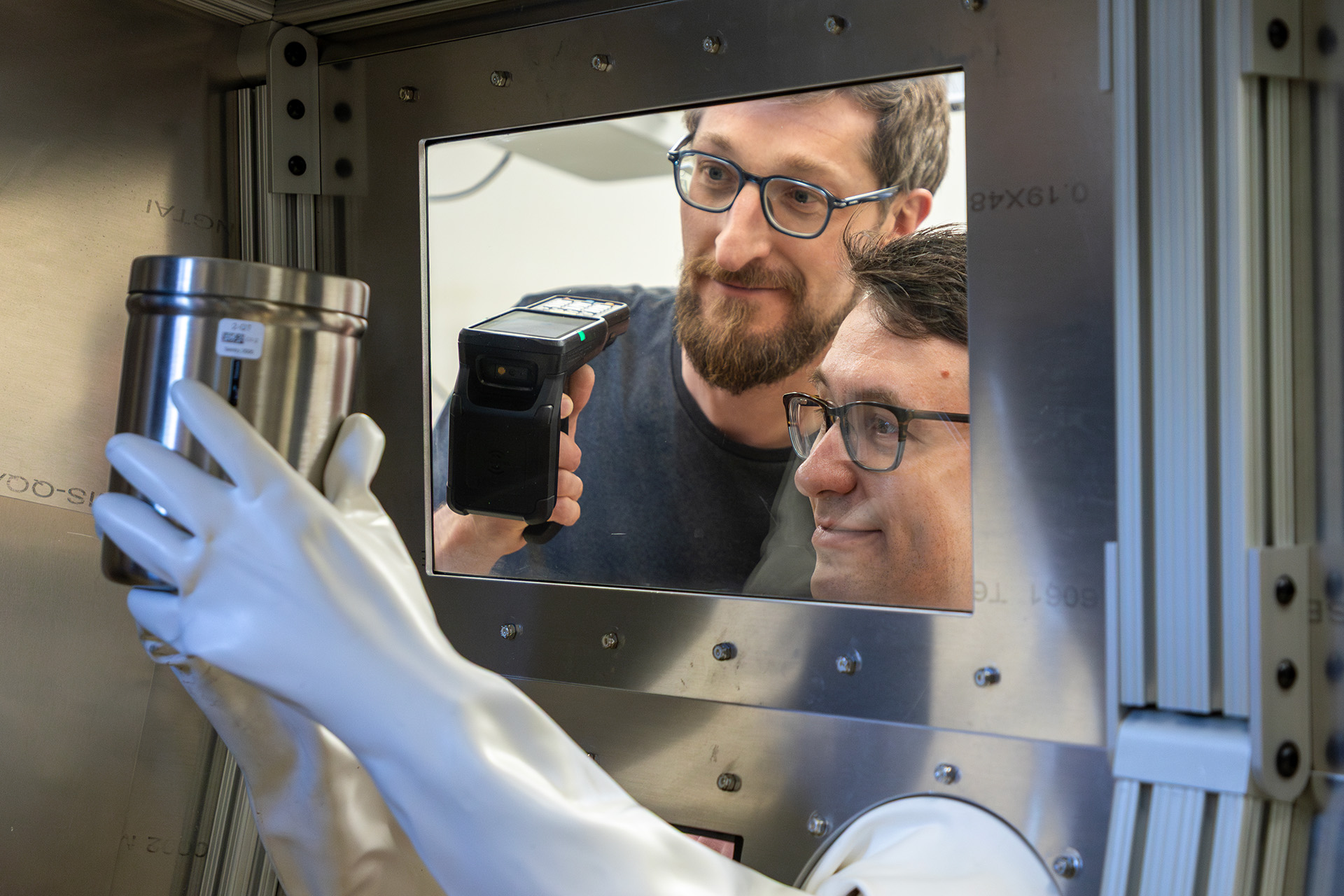
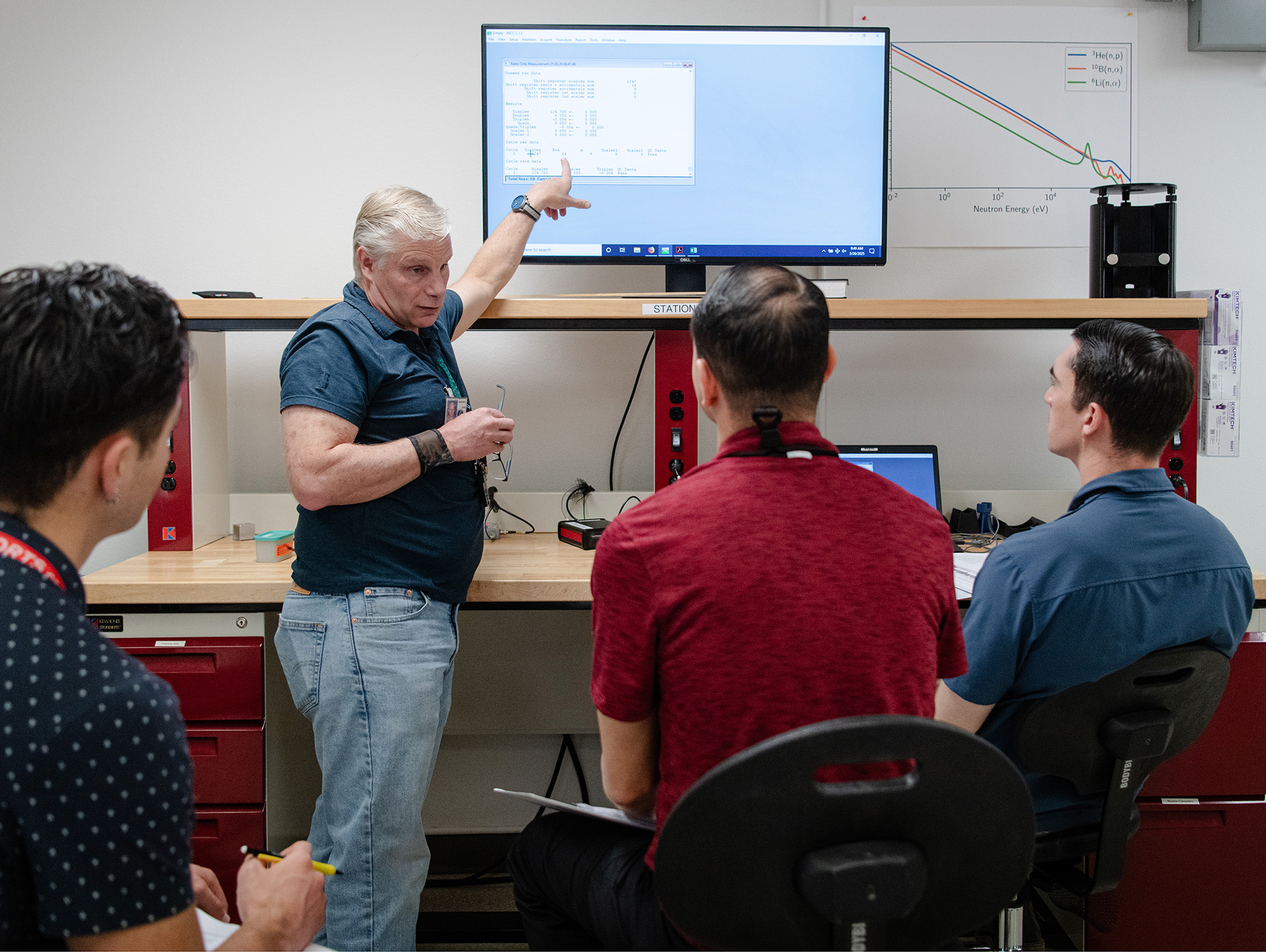
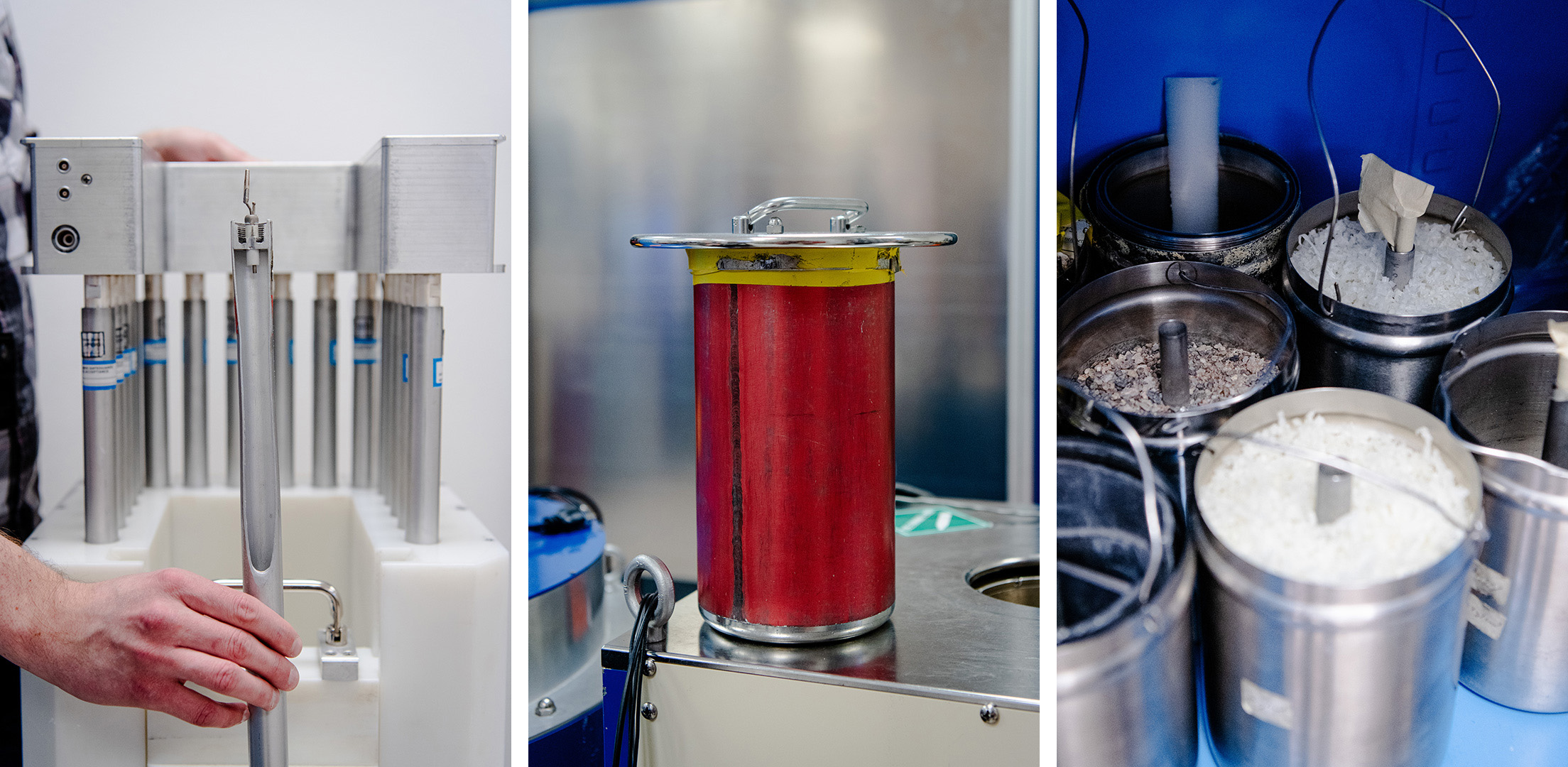
At a dedicated training laboratory at Los Alamos, trainees get to assay real nuclear materials—“representative of the kinds of stuff they would see in the field,” Ruch says. “We have plutonium, uranium—everything from depleted to highly enriched—metals, oxides, all kinds of materials in an accessible facility where we can actually get started at 8:30 and wrap up at 5:00—you don’t need hours of security every day.”
This unique combination of technical expertise, access to a wide variety of special nuclear material, and a streamlined security process for all trainees—including foreign nationals (it is essential to accommodate the international safeguards community)—explains the success and longevity of the SSTTP. And the program has never been as popular as it is now. Ruch says that they run their keystone tuition course, Fundamentals of NDA, several times a year—available to almost anyone who can pay the registration fee—and the course is usually sold out within 24 hours of being announced.
The SSTTP brings together a wide range of nuclear scientists, inspectors, technicians, and officials from around the world and various career levels—at times, a high-ranking foreign government official may find themselves working alongside a student or trainee technician. Ruch notes that during downtime in the training lab, engaging discussions often arise while instruments are collecting data, allowing the instructors to learn about the challenges that trainees face in the field and keeping the Laboratory’s Safeguards Science and Technology team informed about important issues. In addition to fostering networking and collaboration, Ruch says that some participants end up joining their group after taking courses in the SSTTP, describing it as an effective recruitment tool.
What do trainees learn in the Los Alamos safeguards training program?
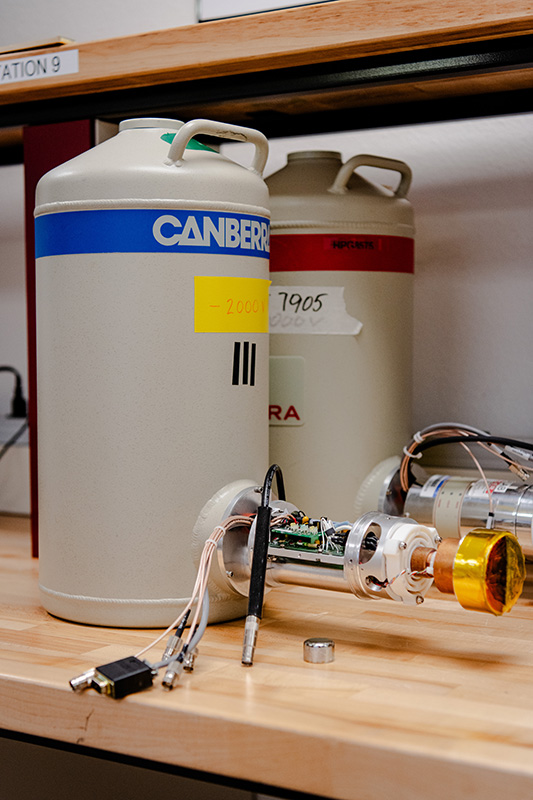
At present, in addition to the Fundamentals of NDA course, there are four additional courses that compose the SSTTP, each taking around 3–5 days to complete, taught by 19 members of staff. Trainees gain skills with a variety of NDA methods, including neutron, gamma-ray, and calorimetric techniques, for measurements of uranium and plutonium in various forms, such as fuel, waste, and holdup (the material that accrues inside equipment during production processes). Other topics have also included radionuclide identification, nuclear material control and accounting (MC&A), statistics for MC&A, and physical protection.
Ties with international partners are also strengthened through this program. Specialized safeguards courses have been created for both the Japanese and Chinese nuclear authorities, in 2011 and 2023, and a workshop on nuclear materials and accounting was held in 2023 for the executive representatives and technical staff from nuclear regulatory bodies across five African countries.
There are also courses available for students at Los Alamos, including the Keepin Summer Program, an eight-week intensive program instigated in 2014 that includes safeguards training. Los Alamos also houses one of 18 analytical laboratories outside of Austria (home of the IAEA) that compose the IAEA Network of Analytical Laboratories, which evaluate samples of special nuclear material collected from facilities under the IAEA’s purview.
Current and future challenges
Across the nation, government and private industry are pushing for the development and implementation of advanced nuclear reactors that can support increased energy demands and help achieve greater energy security. This push is creating new technologies along with increased global trade in nuclear materials, and, therefore, stricter oversight and inspections have been needed to prevent misuse.
Modern nuclear fuels in particular pose some unique challenges, with mixed-oxide fuels representing an increased proliferation risk. These fuels complicate neutron detection patterns with fissile sources of both plutonium and uranium isotopes. High burnup fuels—which squeeze more energy out of the fissile reactions—remain in reactors longer, resulting in greater isotopic complexity and higher levels of residual radiation, and accident-tolerant fuels introduce additional materials into the assemblies and dopants into the fuel, requiring new tools to assess these materials’ behavior and properties. These problems are being addressed with Los Alamos NDA innovations such as the Active Well Coincidence Counter, FRAM software, and the handheld laser-induced breakdown spectrometer (LIBS), which apply modern computational methods to safeguards technologies (see sidebar for more details).
SSTTP courses are continuously being improved to reflect these new challenges that face inspectors in the field. One piece of technology that the IAEA has expressed interest in is the CZT (cadmium-zinc-tellurium) detector, a highly portable type of gamma detector, similar to high-purity germanium detectors (HPGe; see NDA Instruments of the Safeguards Training Program for more information), but without the need for cryogenic cooling. Ruch wants to incorporate this tool into the program, which may offer practical improvements over current instrumentation. He is also keen to obtain any advanced nuclear fuel samples for the program, such as TRISO (TRi-structural ISOtropic) particles, a very robust form of enriched uranium slated for use in the next generation of reactors. It is essential, Ruch says, that instructors at Los Alamos get ahead of the game and start developing training programs for these materials before they start appearing in real nuclear facilities.
The SSTTP has constantly evolved over its 50-year history, keeping pace with developments in instrumentation and adapting to new challenges in the global security landscape. Today, these challenges seem greater than ever as the world shifts to embrace nuclear and the nuclear industry itself undergoes a paradigm shift with the deployment of a long-anticipated fleet of advanced reactors. It is of little surprise that one of the Laboratory’s longest running programs is in greater demand than ever.
Los Alamos safeguards innovations
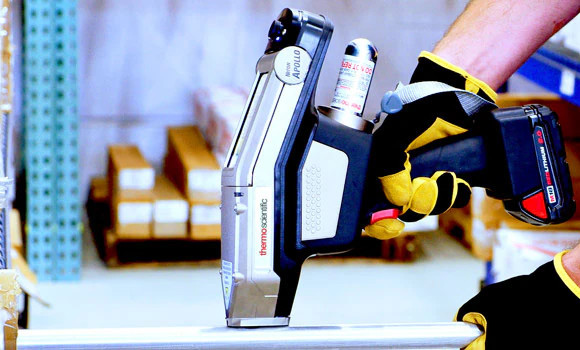
Of all the NDA instruments pioneered at Los Alamos, perhaps the notable are the sophisticated neutron-based detection systems, many of which are used in the SSTTP (described in detail in NDA Instruments of the Safeguards Training Program). These systems are designed to tackle real-world problems, such as the complexities inherent in the contents of nuclear waste drums or the complications arising from particular nuclear fuel configurations.
Los Alamos has also advanced the use of laser-induced breakdown spectroscopy (LIBS) for nuclear and environmental applications, and since the 2000s has played a leading role in the development of portable LIBS systems for nuclear safeguards and homeland security, collaborating with private industry to refine the technology for field applications.
Improving computational tools for analyzing data collected from NDA instruments is another essential component of the research efforts. These tools include the IAEA Neutron Coincidence Counting software—an adaption of the Los Alamos Neutron Coincidence Counting code, first developed in the 1990s—and the gamma-ray isotope analysis software FRAM (Fixed-Energy Response-Function Analysis with Multiple Efficiency), a code used by IAEA inspectors primarily to determine the isotopic composition of plutonium in special nuclear materials.
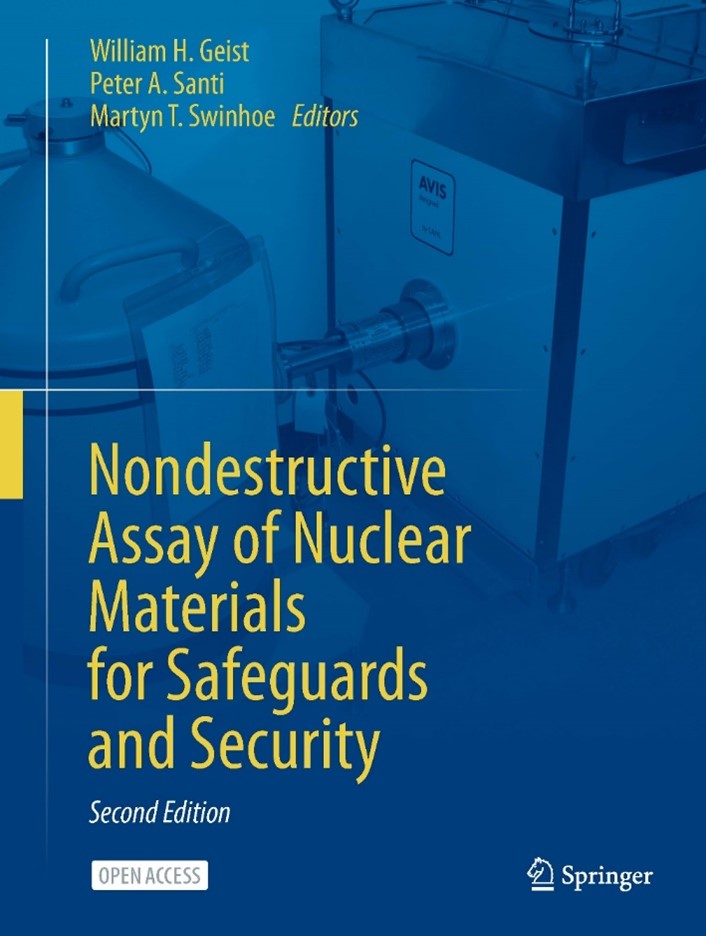
In 2024, following years of dedicated effort, the Safeguards Science and Technology group released a comprehensive 700-plus page book titled Nondestructive Assay of Nuclear Materials for Safeguards and Security focusing on NDA measurements. This open-access title is the second edition of Passive Nondestructive Assay of Nuclear Materials—known as the PANDA manual—which has been a classic reference text since 1991. The book originated from the SSTTP training program, with most of the updates in the new edition authored by Los Alamos scientists, and was dedicated to their colleague, Howard Menlove, to recognize his pioneering contributions to numerous methods and instruments: Menlove began working in Keepin’s safeguards program in 1967 and has developed NDA instruments for nearly five decades.
Acknowledgments
The author would like to thank Marc Ruch, Bill Geist, Nina Rosenberg, John McLeod, Jake Bartman, and Anne Jones for help with the article, and the IAEA for additional images.