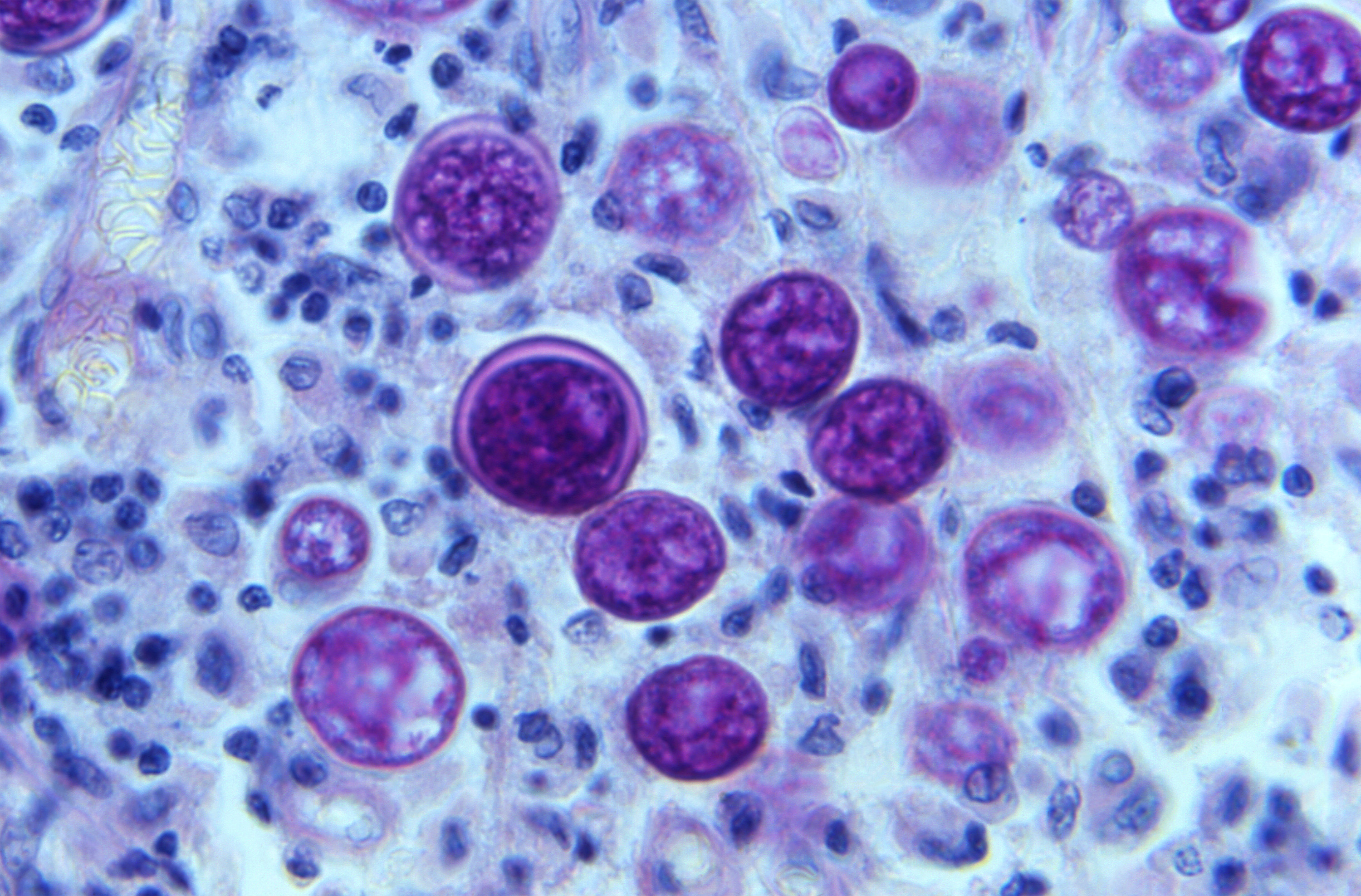
In recent years, valley fever cases have been increasing in an expanding range of locations around the world. Because the noncontagious lung infection is caused by two different species of fungi in the coccidioides genus, scientists need to know more about which fungi are causing disease and where.
In a recent publication in the journal Ecology and Evolution, Los Alamos scientists are using machine learning to analyze genomic data about coccidioides fungi to create a better network for understanding its disease spread.
Why this matters: Using genetic data, scientists can improve their ability to identify the source of an infection, especially when it happens in an area where valley fever is not endemic. In addition, travel history can aid in mapping endemic regions for coccidioides and better inform mitigation efforts.
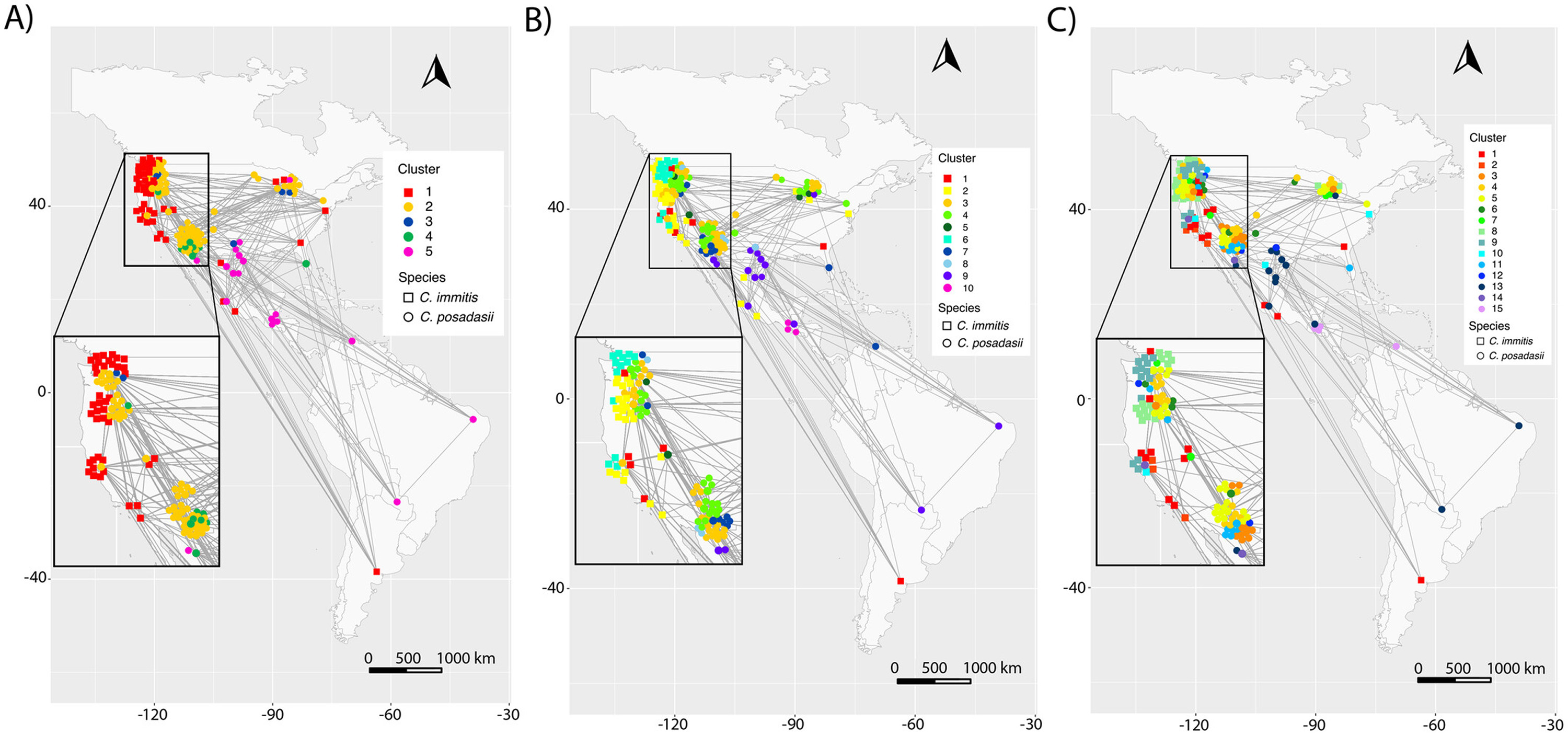
What they did: A team of Los Alamos scientists used publicly available whole genome data for both coccidioides immitis and coccidioides posadasii (the two species of fungi that cause valley fever) to assess the applicability of a genetic network analysis pipeline.
- The team identified hierarchical population structure between and among the two species, inferred relationships among fungi populations and assessed patterns of travel-acquired infections.
- This understanding helps infer where infections originated, especially those that are found in non-endemic locations.
Funding: Los Alamos National Laboratory supported the work through its Laboratory Directed Research and Development program.
LA-UR-26-28658