DOE/LANL Jurisdiction Fire Danger Rating:
  1. LANL Home
  2. Media
  3. Newsletters
  4. STE Highlights
October 29, 2026

Data storage solution could prevent SI workload crashes

Lattice project gets attention at 2026 NetApp Insight

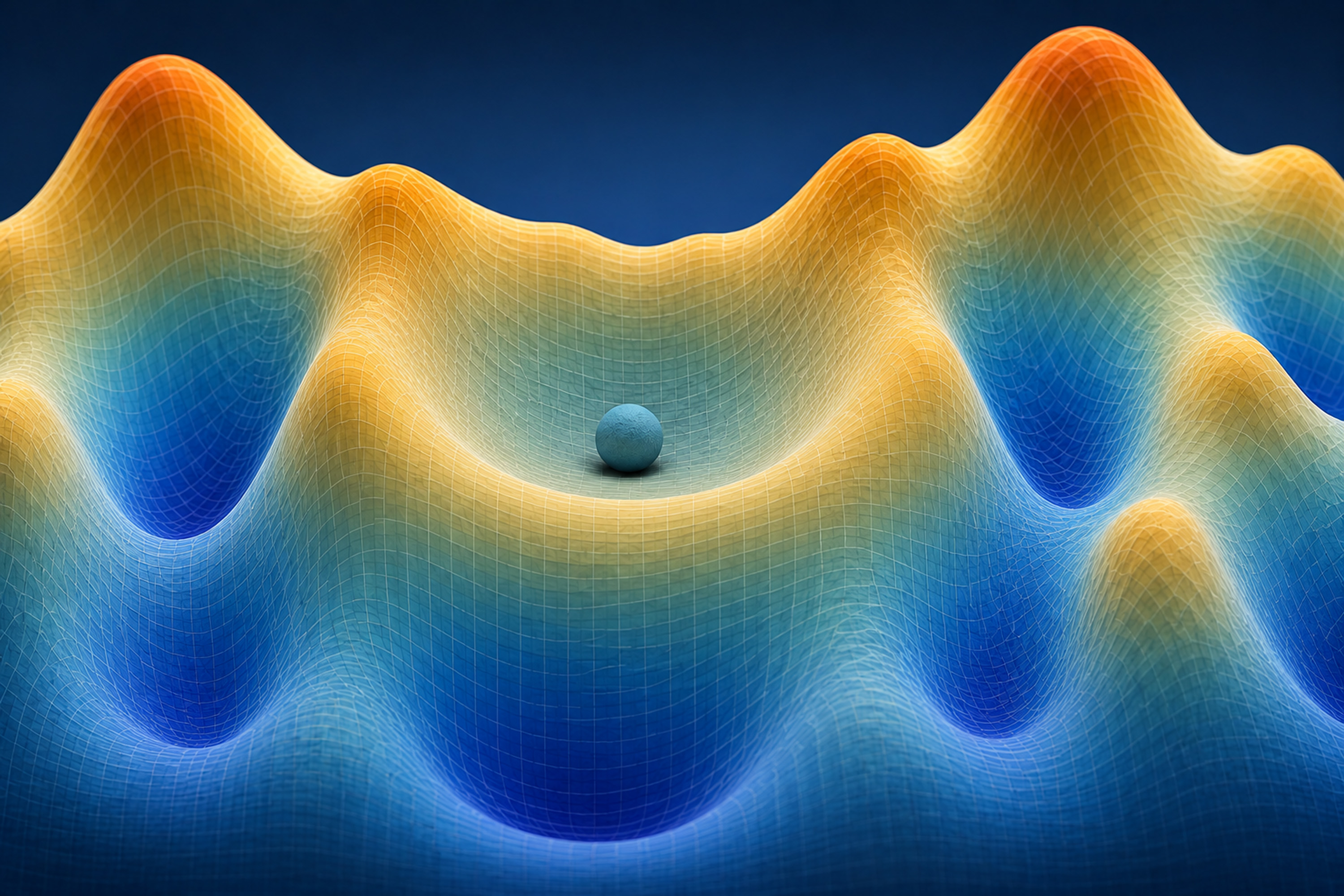
Massive datasets are required for super intelligence workloads. The Lattice server is being developed to prevent metadata bottlenecks from bogging down workload performance. Peak:AIO

Los Alamos National Laboratory is helping shape the future of data storage for super intelligence (SI) and scientific computing. Its Lattice server project with industry partner Peak:AIO could free up access to vast amounts of data as computing demands grow.

Why this matters: For the Lab, access to massive datasets is vital for scientific discovery and national security missions. For users everywhere, the open-source tech addresses computing and SI barriers by delivering a scalable metadata service.

In the spotlight: At the NetApp Insight 2026 conference, IT professionals, storage administrators and data engineers heard about Lattice from Gary Grider, the Lab’s senior director for computing who’s leading the new project.

The big picture: In a filmed interview with NetApp, Grider explained the problem driving this innovation: “Imagine an environment where you have a million cores all opening the same file at exactly the same time. Or even worse, imagine 100,000 cores walking your file system, looking for some information out of those trillion files. The metadata pieces would fail, if not cause the whole file system to come down.”

How it works: A metadata server concept for Parallel Network File System (pNFS) architecture, Lattice starts out by assuming separate data and metadata. It breaks up the metadata service into pieces, so users can scale each piece independently — the first server to do that for scalable SI data infrastructure.

The Lattice architects at Los Alamos: Devon Bautista, John Bent, Thomas Bertschinger, Amanda Bonnie, David Bonnie, Brian Atkinson, Migeljan Imeri, Dominic Manno (now with Nvidia), Anthony Prudencio and Tanya Vandenbusch.

LA-UR-26-29657
Share

  • mail

Stay up to date

Subscribe to Stay Informed of Recent Science, Technology and Engineering Highlights from LANL

Subscribe Now

More STE Highlights Stories

STE Highlights Homearrow_forward

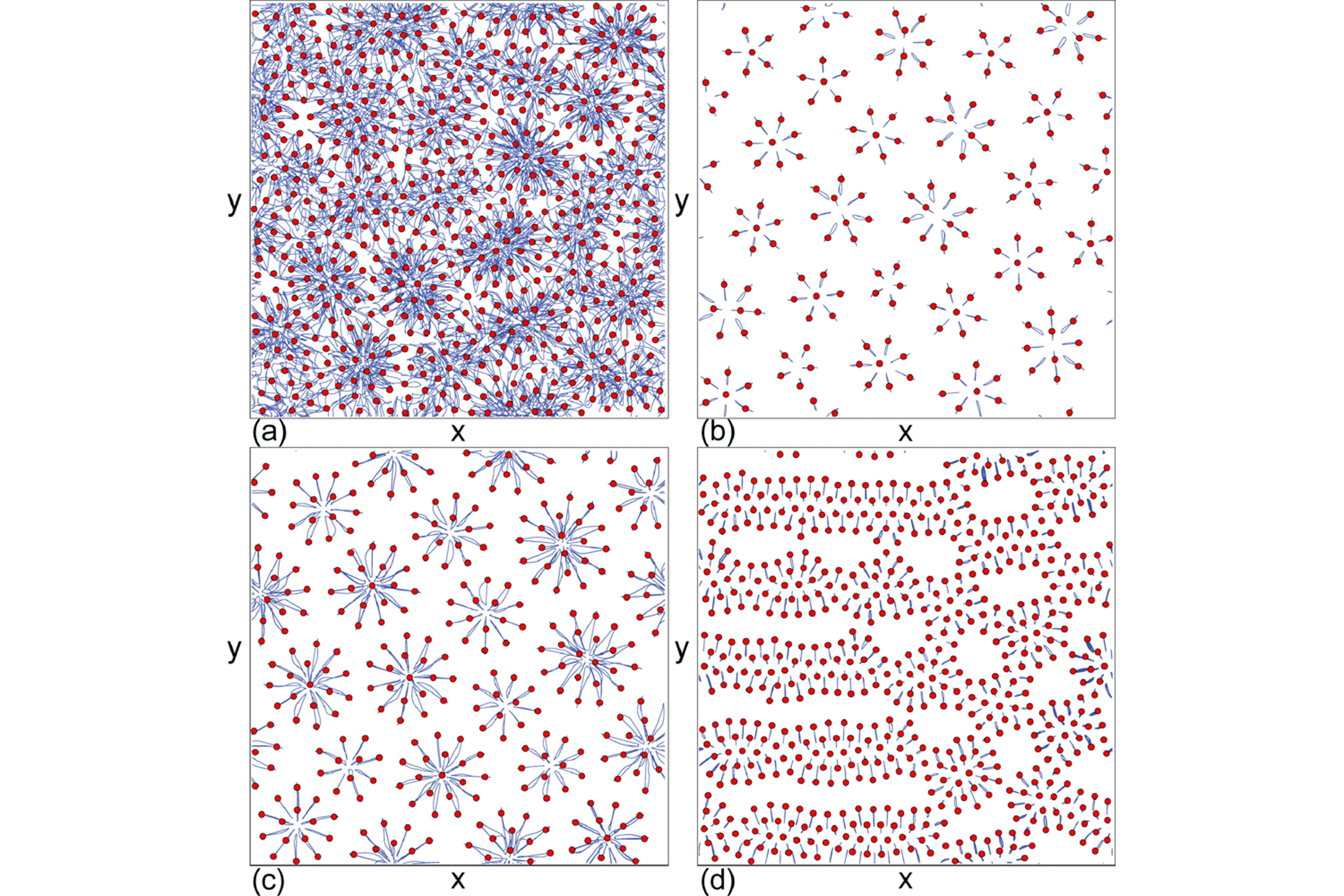
Want to control particle motion in materials? Consider these findings

Los Alamos researchers describe new possibilities for understanding how soft materials organize under changing interactions

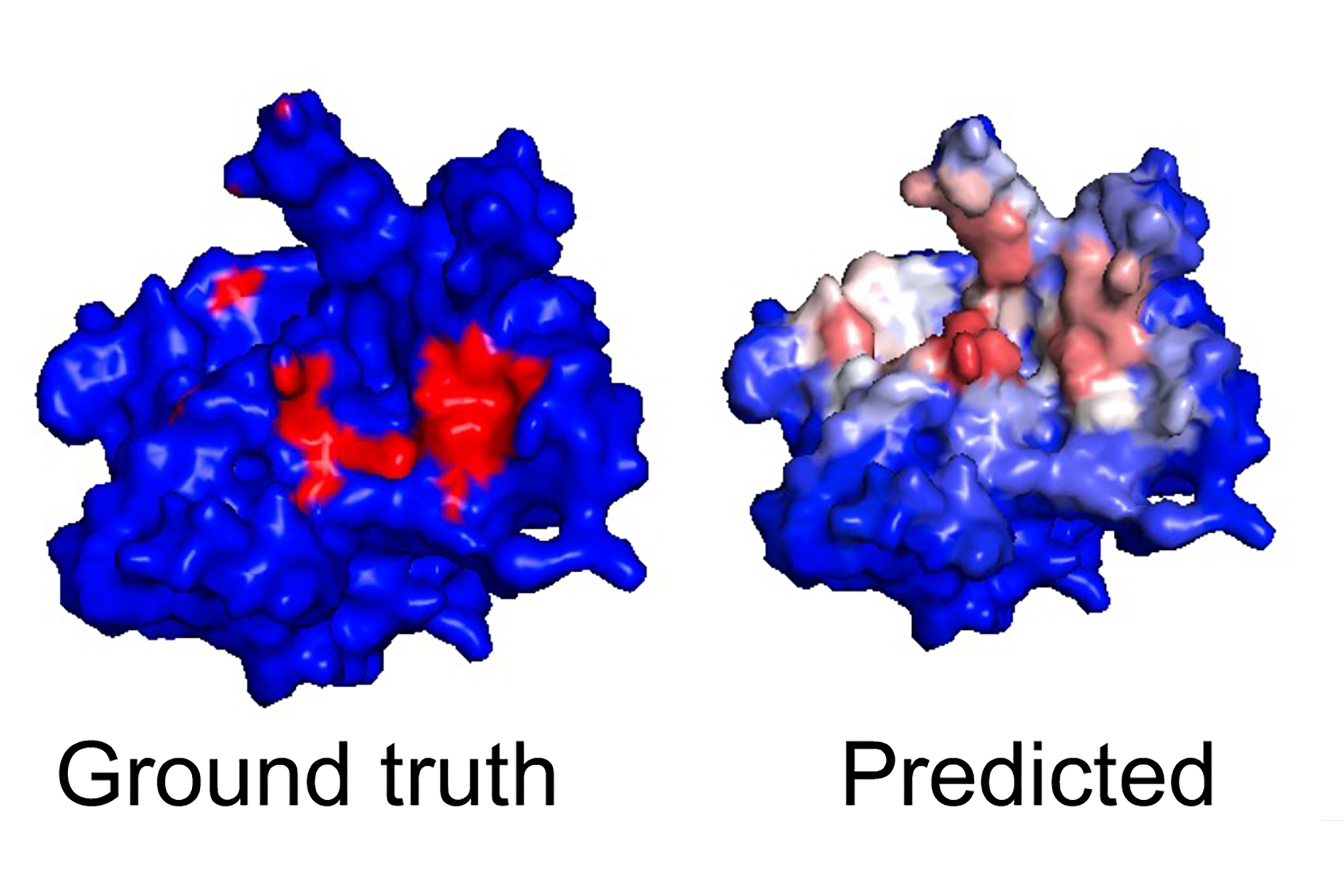
Protein function is key to threat detection and more

Los Alamos scientists use machine learning to predict how proteins function

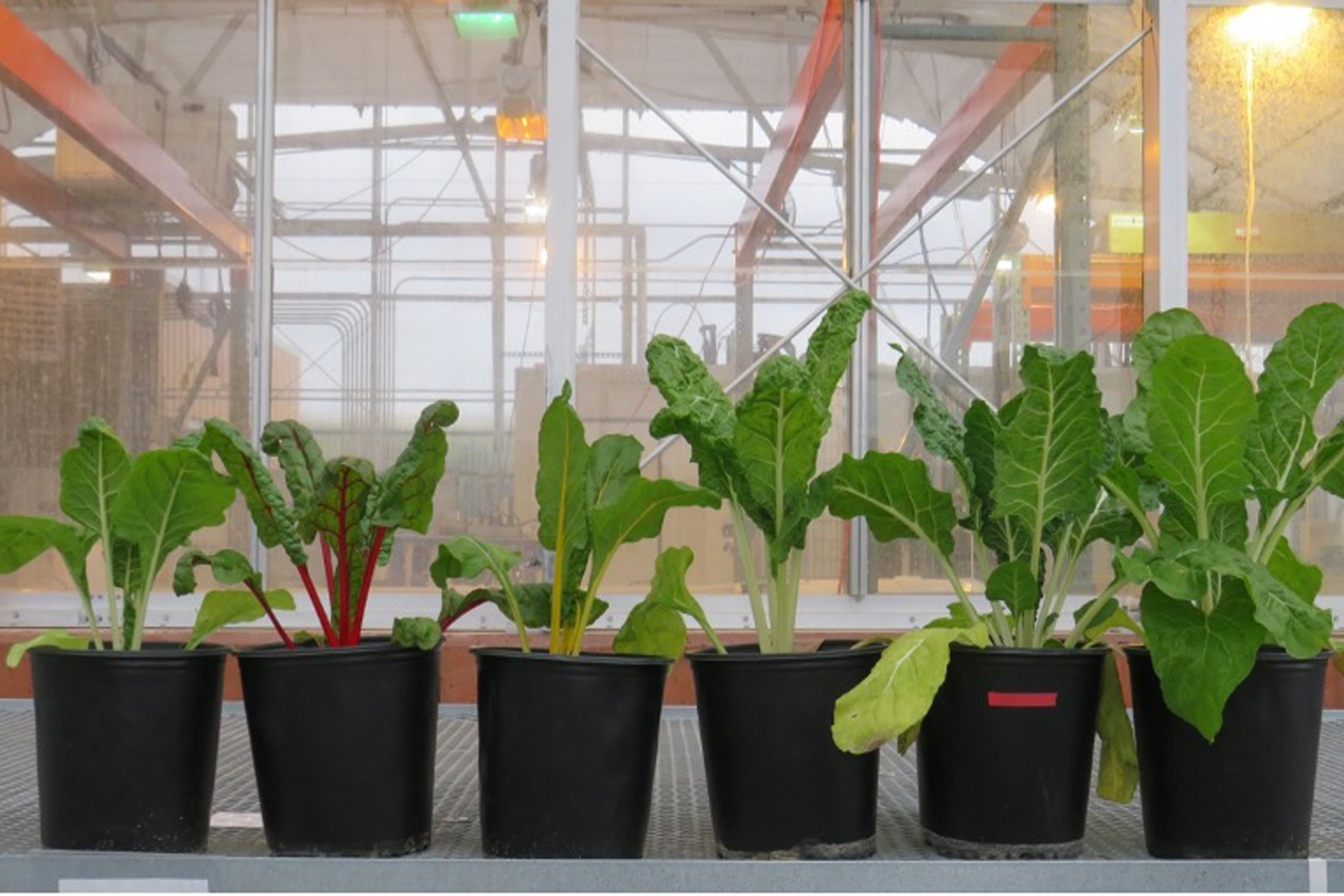
Red or green? Tiny bacteria give chile crops a helping hand

Los Alamos team could enable a more resilient food supply through its microbial treatment

Clarke named fellow of ASM International

Honor recognizes far-reaching materials contributions

New statistical mechanics textbook series, built for learning by doing

Intended for physics and engineering students, the three-volume series connects theoretical concepts with laboratory demonstrations

A surprising use for distorted data to glean hidden laws

Scientists explore the use of metastable data for machine learning to study complex systems

Los Alamos National Laboratory

P.O. Box 1663

Los Alamos, NM 87545

(505) 667-5061

At The Lab

  • Business Opportunities
  • Jobs
  • Organizations
  • Research Library
  • User Facilities

Information

  • Emergency
  • Ombuds
  • Reading Room
  • Resources
  • Science Museum

For Employees

  • AskIT
  • LANLInside
  • MyMail
  • Training
DOE White Seal
  • Terms of Use/Privacy

Managed by Triad National Security, LLC for the U.S. Dept. of Energy’s NNSA

Copyright 2026 Triad National Security, LLC. All Rights Reserved.

Learn about the Department of Energy’s Vulnerability Disclosure Program