DOE/LANL Jurisdiction Fire Danger Rating:
  1. LANL Home
  2. Media
  3. Newsletters
  4. STE Highlights
September 29, 2026

Making tiny glass parts? Try printing them

Los Alamos method builds small glass components layer by layer

Using a new aerosol jet printing method, tiny glass particles are mixed into a liquid and the mixture is turned into a fine mist. Ideal for very small scales, the printing method could make precise glass components to guide and manipulate light. Credit to: Adobe Stock

Scientists at Los Alamos National Laboratory have demonstrated a way to print tiny glass components into a desired shape using a technique called “aerosol jet printing.” The method could help make complex lenses and other components for optical systems, devices that guide light, microfluidic systems that handle small amounts of liquid, and packaging used in optical and photonic technologies. 

Why this matters: As devices get smaller and designs become more complex, making the glass pieces inside them becomes increasingly difficult. 
 
Context: 

  • Fabricating something out of glass will generally start with a larger piece and cutting, grinding or polishing it into the needed shape. 
  • Instead of carving a tiny component out of a larger piece of glass, the Los Alamos method puts glass only where it is needed. This gives designers more freedom to create small or complex glass features difficult to make using conventional methods.

How aerosol jet printing works:

  • Tiny glass particles are mixed into a liquid.
  • The mixture is turned into a fine mist, or aerosol.
  • A printer directs that aerosol through a tiny nozzle, placing the glass material exactly where it is needed.
  • The material is built up layer by layer and then heated and the particles are sintered together into a solid piece of glass. 

Technology status: Los Alamos researchers have demonstrated the process by printing continuous glass features on flat surfaces. The technology is disclosed under “Glass components fabricated via aerosol jet printing” (LANL Reference ID S-167756).

Licensing opportunities: The Richard P. Feynman Center for Innovation works with industry partners to transition Los Alamos technologies into the marketplace. To learn more, contact licensing@lanl.gov. 
 
AI tools were used to develop this content with human oversight and review. 

LA-UR-26-28658 

Share

  • mail
Stay up to date
Subscribe to Stay Informed of Recent Science, Technology and Engineering Highlights from LANL
Subscribe Now

More STE Highlights Stories

STE Highlights Homearrow_forward

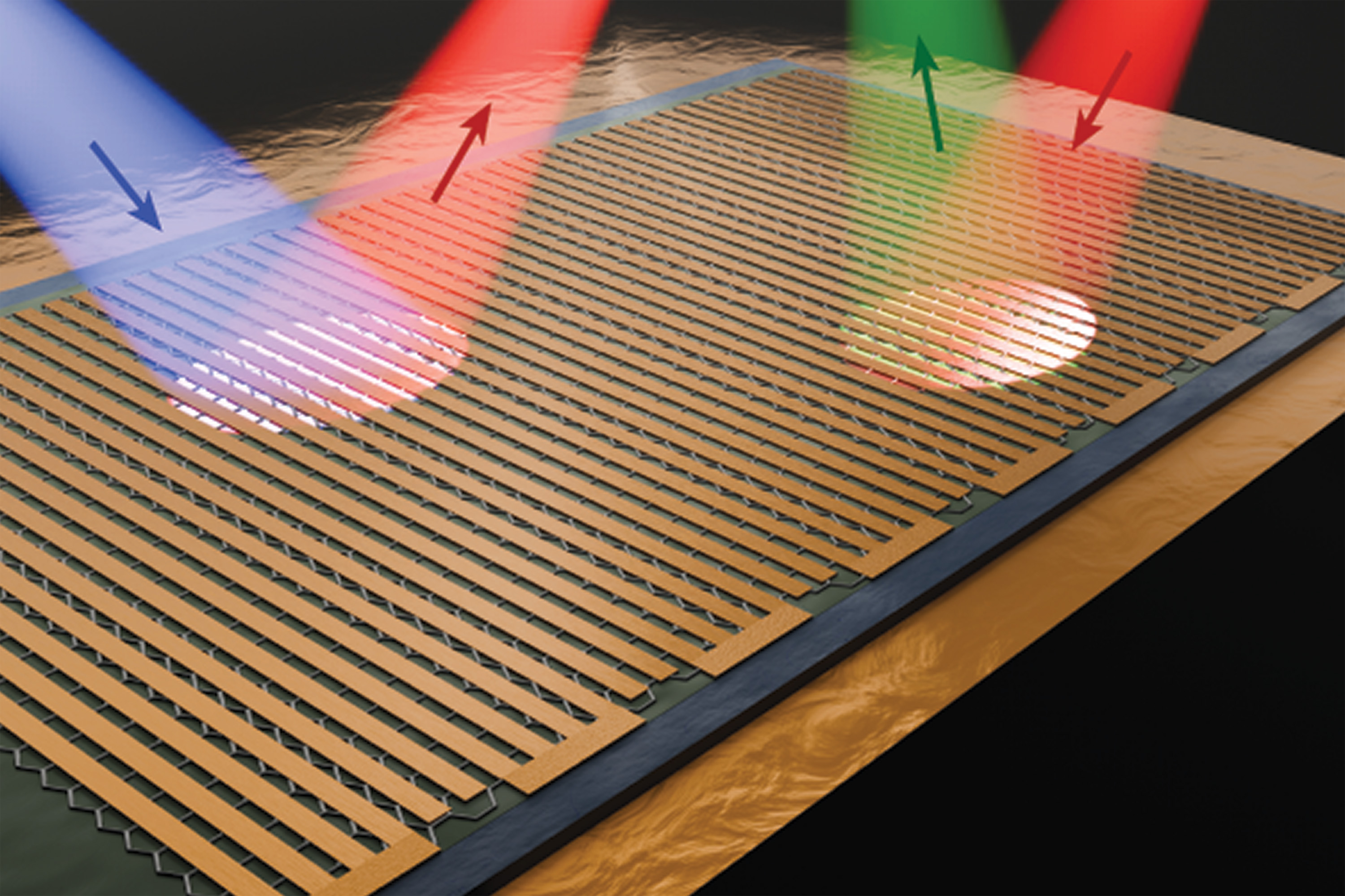
A surprising use for distorted data to glean hidden laws

Los Alamos scientists explore the use of metastable data for machine learning

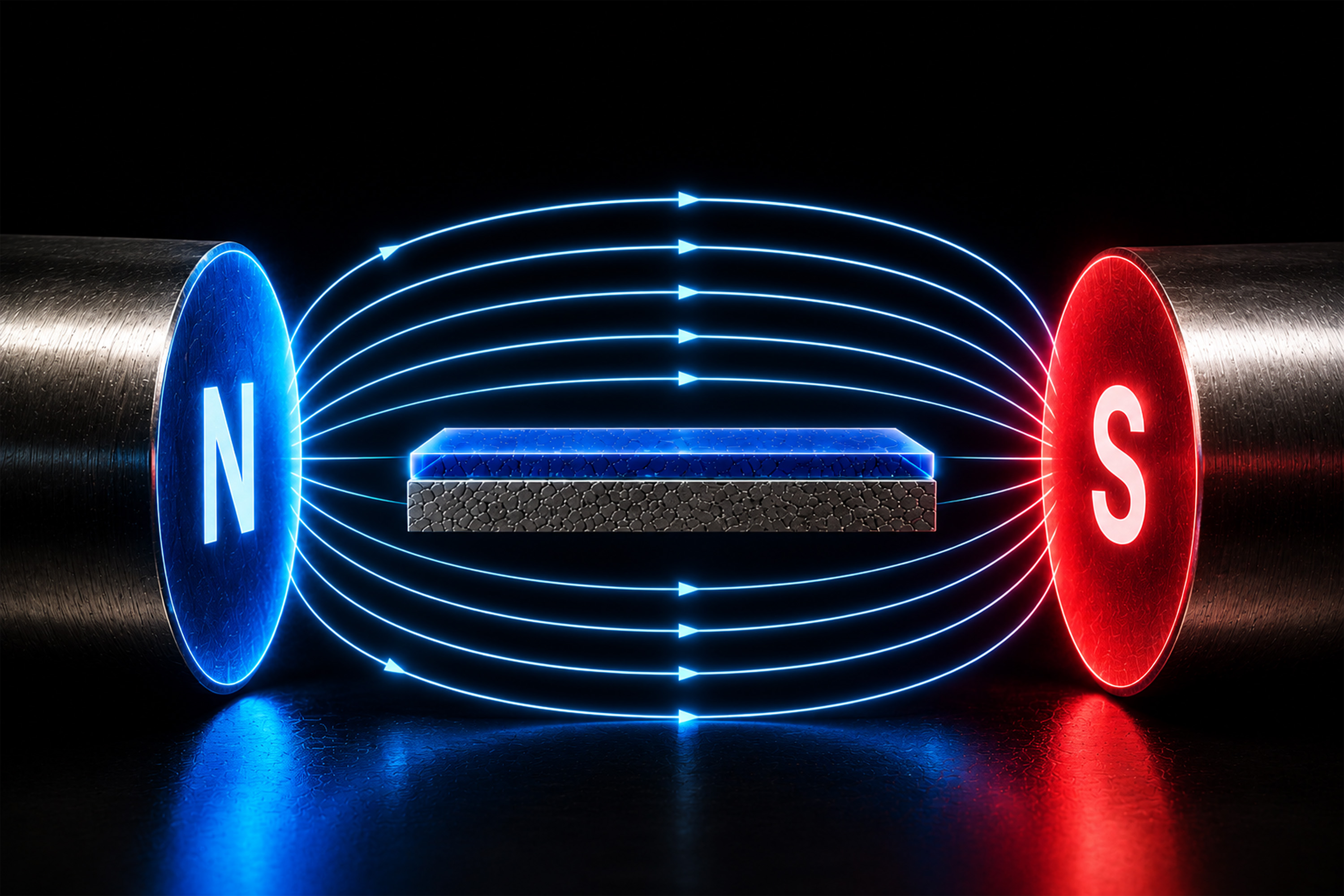
When magnetism becomes superconductivity's ally

In nickelates, superconductivity vanishes — then reappears — as the magnetic field grows stronger

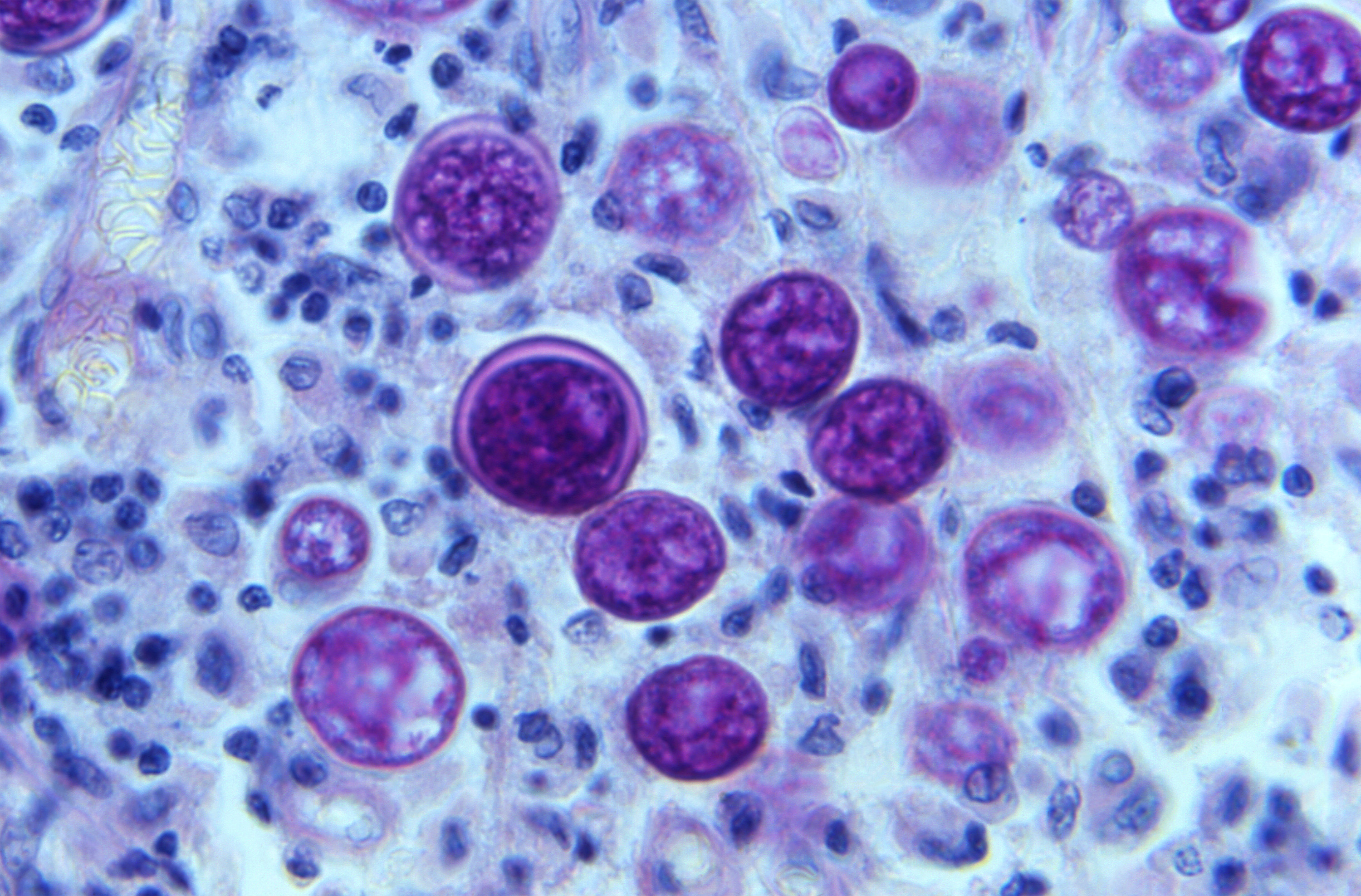
Valley fever’s far-flung travels captured by machine learning

Los Alamos scientists study the genomes of fungi in complex environments to understand their impact

Society of Petroleum Engineers honors Los Alamos scientist for high-volume peer reviews

Meng is associate editor of 2 journals

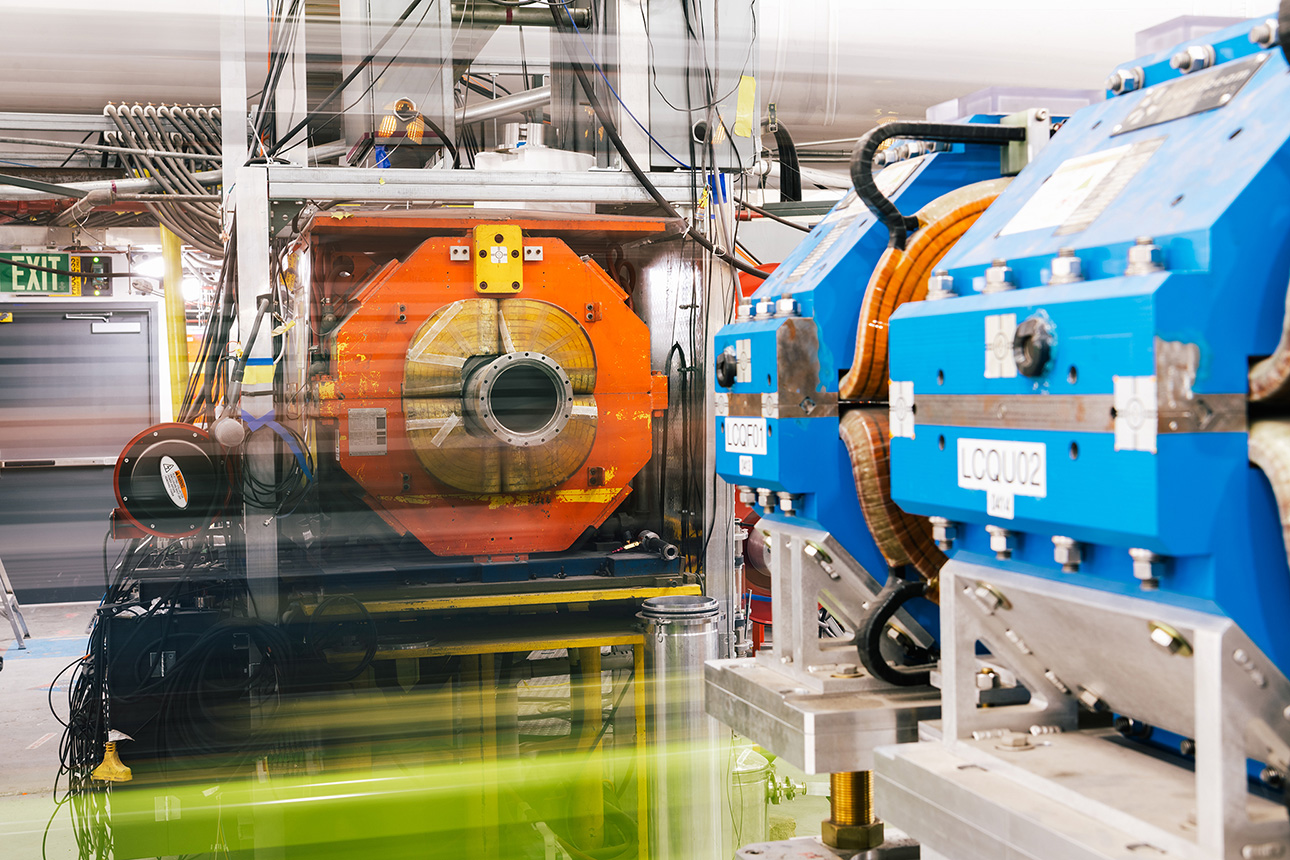
Proton radiography team receives NNSA Defense Programs Award of Excellence

Plutonium experiments support the nation’s nuclear weapons program

Plague can kill: Los Alamos scientists found a rapid way to test people and pets

Accuracy increased when scientists used fat molecules to detect illness-causing bacteria

Los Alamos National Laboratory

P.O. Box 1663

Los Alamos, NM 87545

(505) 667-5061

At The Lab

  • Business Opportunities
  • Jobs
  • Organizations
  • Research Library
  • User Facilities

Information

  • Emergency
  • Ombuds
  • Reading Room
  • Resources
  • Science Museum

For Employees

  • AskIT
  • LANLInside
  • MyMail
  • Training
DOE White Seal
  • Terms of Use/Privacy

Managed by Triad National Security, LLC for the U.S. Dept. of Energy’s NNSA

Copyright 2026 Triad National Security, LLC. All Rights Reserved.

Learn about the Department of Energy’s Vulnerability Disclosure Program