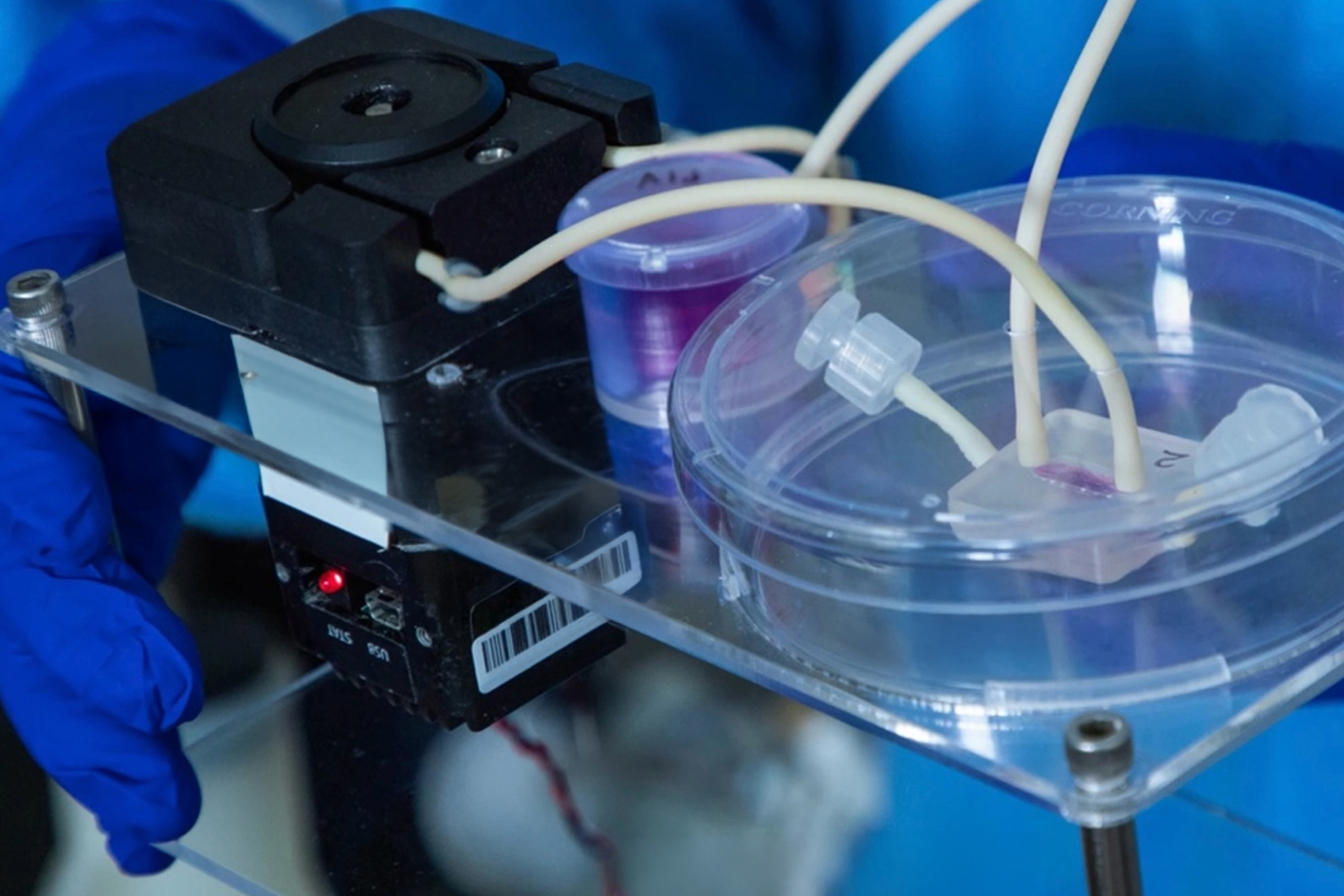
A bioreactor from Los Alamos National Laboratory simulates the complex environment in which human cells grow, presenting an emerging new method to investigate interactions among multiple cell types.
Why this matters: For biomedical research, systems such as this could facilitate therapeutics development without the need for animal testing and without the drawbacks of polymer-molded microfluidic devices.
How they did it: To create a microenvironment that mimics key features in human physiology to enable the cells’ growth, the team combined 3D-printing techniques and alternative materials such as permeable membranes.
· The system uses a 3D-printed perfusion bioreactor to facilitate the growth and differentiation of human bone marrow cells while enabling co-culture with vascular cells.
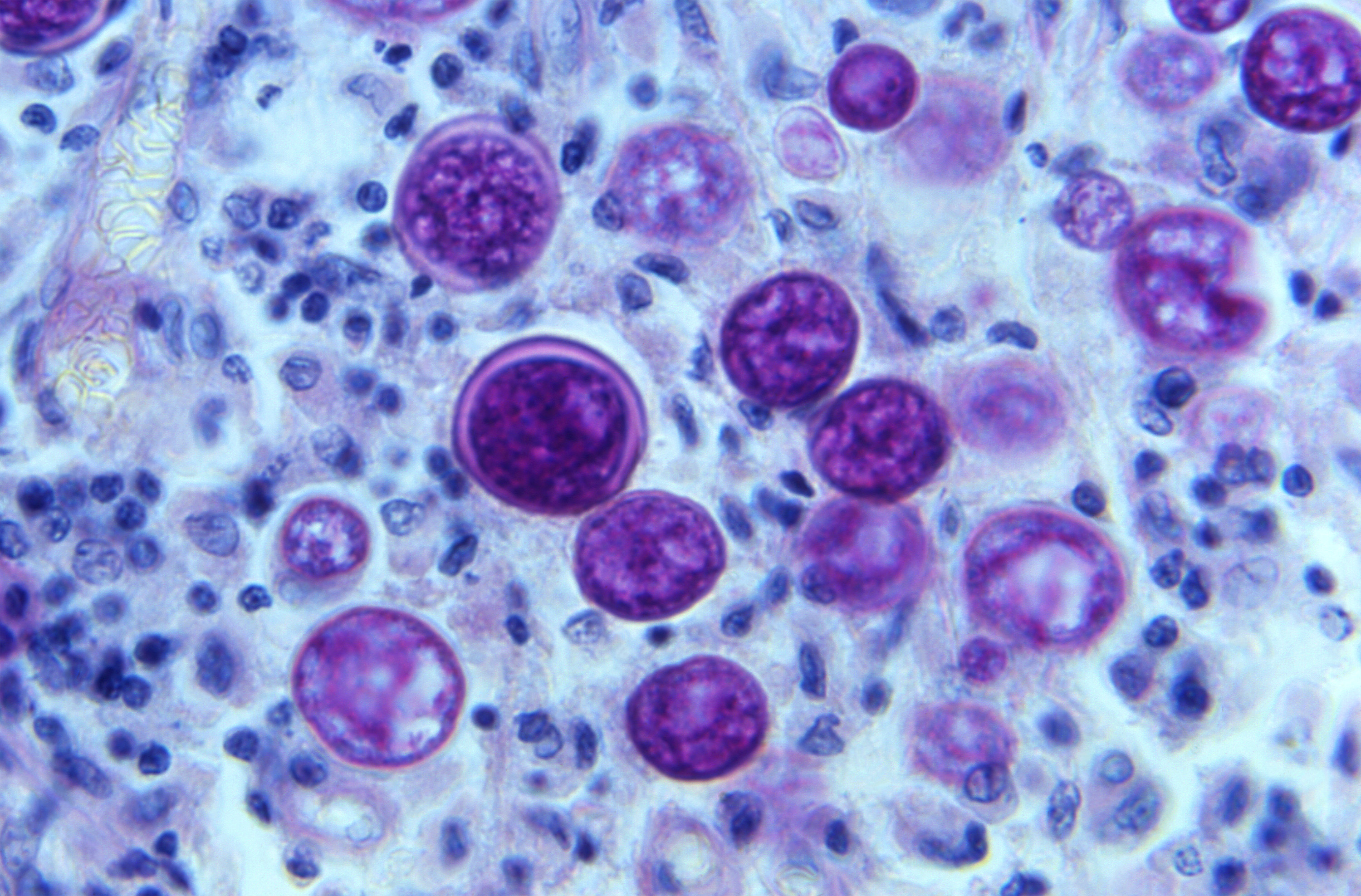
· The team studied samples under a microscope for biomarker analysis.
What’s next: Los Alamos scientists plan to explore biomedical cell behavior and disorders more thoroughly using the new techniques in this study. Future development will incorporate a way to facilitate the simultaneous culture and differentiation of all cell types, along with molecular-scale analysis.
Funding: Laboratory Directed Research and Development program of Los Alamos National Laboratory
LA-UR-25-28707