DOE/LANL Jurisdiction Fire Danger Rating:
  1. LANL Home
  2. Media
  3. Newsletters
  4. STE Highlights
August 31, 2026

Plague can kill: Los Alamos scientists found a rapid way to test people and pets

Scientists are using fat molecules to detect illness-causing bacteria

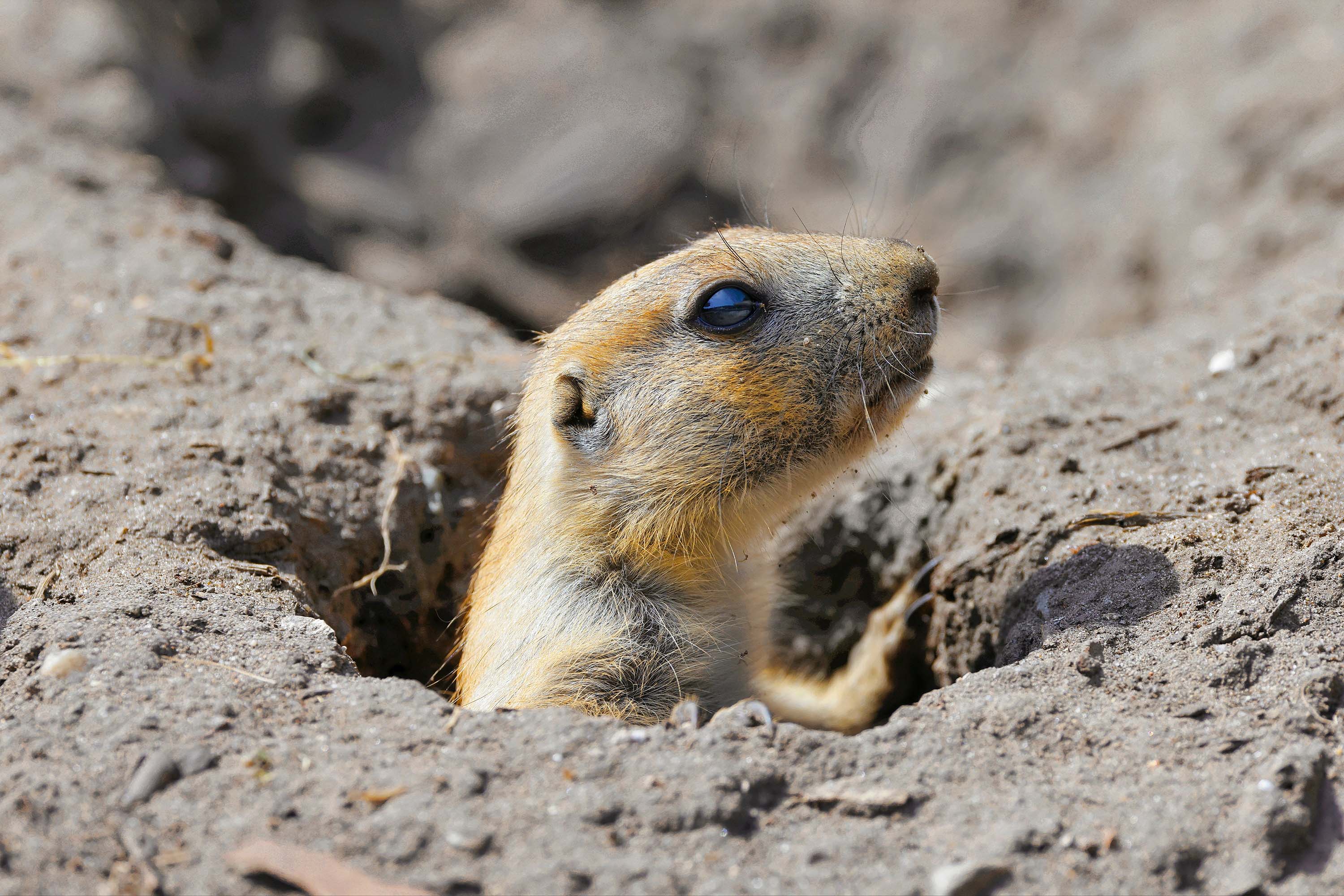
Sharkolot Black Tailed Prairie Dog
Plague circulates through wild rodents, such as prairie dogs, and their fleas in parts of the western United States. Los Alamos scientists looked for a faster, more dependable way to diagnose plague, because prompt treatment with antibiotics can prevent serious illness or death. Credit to: Pixabay

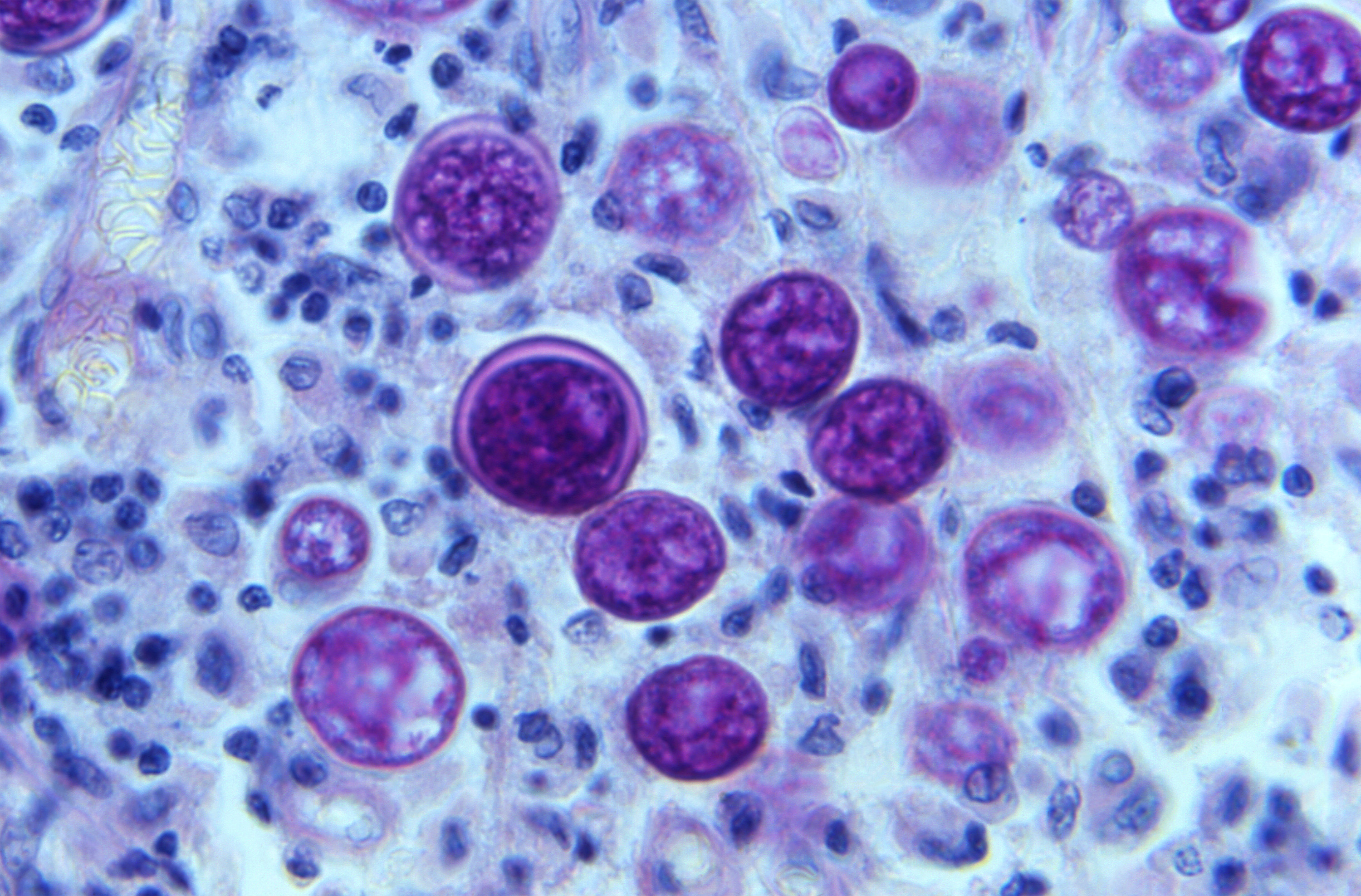
When animals or humans get sick from a flea bite, it is critical to accurately determine if they might have the plague. Rapid, sensitive detection of Yersinia pestis, the bacterium that causes plague, is essential to getting the correct treatment in time. In the journal Pathogens, Los Alamos scientists published a new approach to detect bacteria that could help identify disease with fewer false-negative results.

Read the paper

Why this matters: Antibody molecules used in detection assays often target proteins on the surfaces of pathogens, such as Yersinia pestis. However, because proteins can change shape as organisms evolve or mutate, the detection assays can give false results if the antibodies don’t correctly bind to the sample. 

  • Los Alamos scientists created a method for developing antibodies that can recognize membrane fats, or lipids, instead of proteins.
  • Lipid molecules remain more constant than proteins because they are standard components of the cellular membranes in all animal cells. 

What they did: The Los Alamos scientists used synthetic molecules called nanodiscs, which are tiny, disc-shaped particles that mimic a cell membrane. Using nanodiscs to “display” a target fat molecule, the team selected antibodies that recognize and bind to fats so they can be used in detection assays. 

  • The team also demonstrated that this approach could be used to select antibodies associated with a multitude of pathogens for a variety of uses.

Funding: Los Alamos National Laboratory supported the work through its Laboratory Directed Research and Development program.


Share

Stay up to date
Subscribe to Stay Informed of Recent Science, Technology and Engineering Highlights from LANL
Subscribe Now

More STE Highlights Stories

STE Highlights Home
Prad 1

Proton radiography team receives NNSA Defense Programs Award of Excellence

Plutonium experiments support the nation’s nuclear weapons program

Reciprocity

Overcoming reciprocity, Los Alamos scientists open new ways to control light

Potential applications range from thermal radiation and photonic devices to quantum science

Kelly 1

Los Alamos scientist tapped for national nuclear data leadership role

Position enables Kelly to shape national nuclear data research priorities and funding directions

Acoustic Camera

Can’t see through the muck? Try this patented imaging device

Acoustic Camera creates 3D images where conventional cameras can’t see

D Wave Chip

Physicists use D-Wave chip to study quantum effects

How quantum tunneling helps magnets choose a state

Cunningham

Cunningham named to ASME’s 2026 Mechanical Engineering Watch List

Los Alamos grad student uses research, humor and outreach to make nuclear science approachable

Los Alamos National Laboratory

P.O. Box 1663

Los Alamos, NM 87545

(505) 667-5061

At The Lab

  • Business Opportunities
  • Jobs
  • Organizations
  • Research Library
  • User Facilities

Information

  • Emergency
  • Ombuds
  • Reading Room
  • Resources
  • Science Museum

For Employees

  • AskIT
  • LANLInside
  • MyMail
  • Training
DOE White Seal
  • Terms of Use/Privacy

Managed by Triad National Security, LLC for the U.S. Dept. of Energy’s NNSA

Copyright 2026 Triad National Security, LLC. All Rights Reserved.

Learn about the Department of Energy’s Vulnerability Disclosure Program