DOE/LANL Jurisdiction Fire Danger Rating:
Dense Matter Theory Banner
  1. LANL Home
  2. Engage with LANL
  3. Lab Organizations
  4. X Computational Physics
  5. XCP-5: Materials and Physical Data
  6. dense matter theory

About Coupled Plasma

Basic information on dense plasmas and strongly coupled Coulomb systems

Created in the laboratory and found in astrophysics

Here, we discuss the defining features of dense plasmas, including Coulomb coupling and quantum degeneracy, and how they shape systems like warm dense matter and quark-gluon plasma.


  • The Physical Regimes

    Explore the defining features of dense plasmas, such as the Coulomb coupling parameter, the quantum degeneracy parameter and the typical densities and temperatures.

    • Explore the physical properties of dense plasma
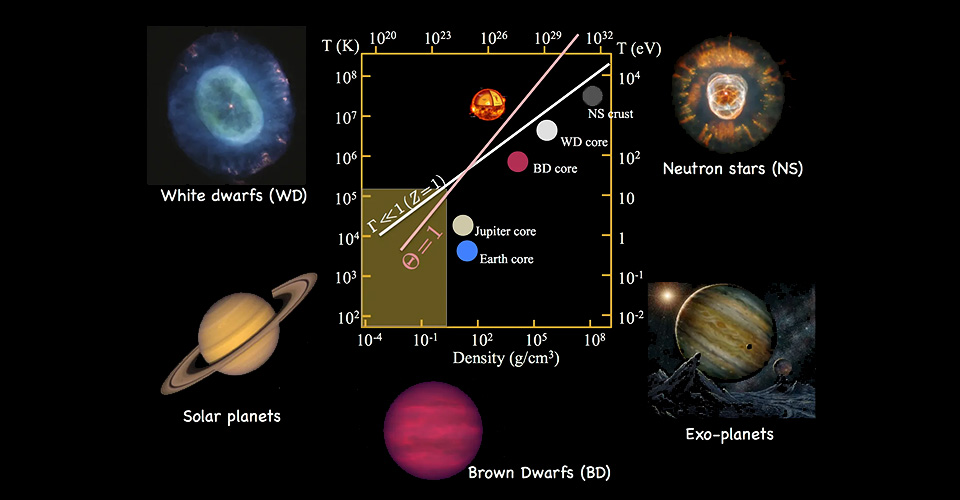
  • Dense Plasma in Astrophysics

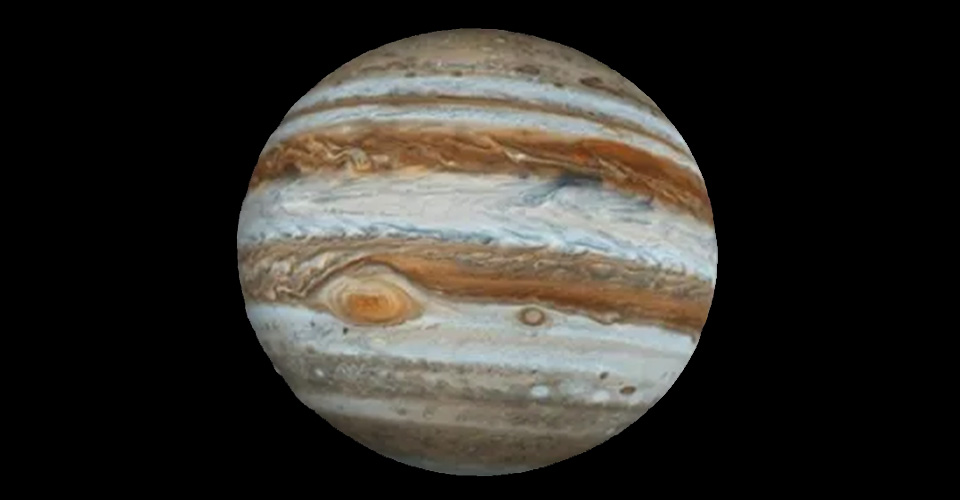
    Did you know dense plasmas are found under a wide range of physical conditions in many systems in planetary science and dense astrophysical objects including white dwarfs, brown dwarfs, neutron stars, etc.?

    • Learn more about dense matter in astrophysics
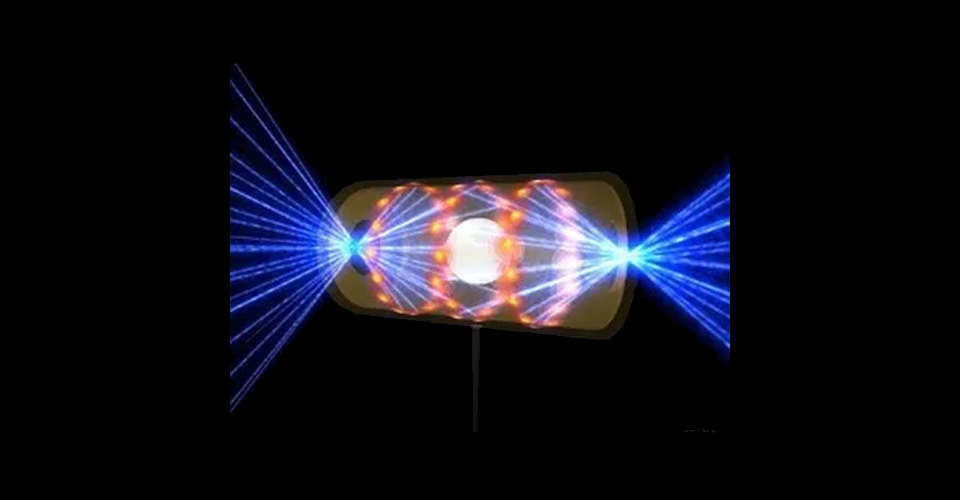
  • Dense Plasma in Fusion Research

    Dense plasma conditions are routinely created at large laser and pulsed-power facilities in support of inertial confinement fusion research.

    • Explore the research
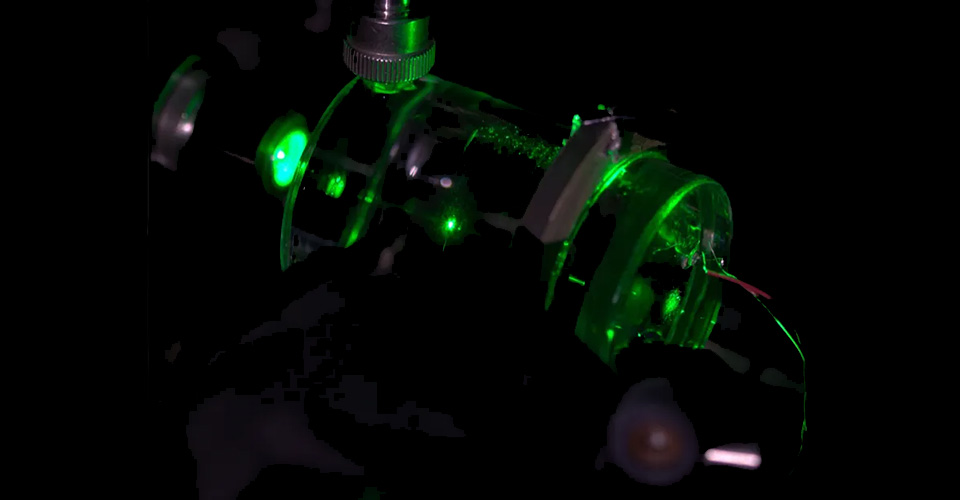
  • Strongly Coupled Plasma in the Laboratory

    Learn how experimentalists use ingenious devices to create strongly coupling Coulomb systems with excellent diagnostic access and controllability, and at much smaller cost than conventional dense plasma experiments at large facilities.

    • Learn more
  • Warm Dense Matter

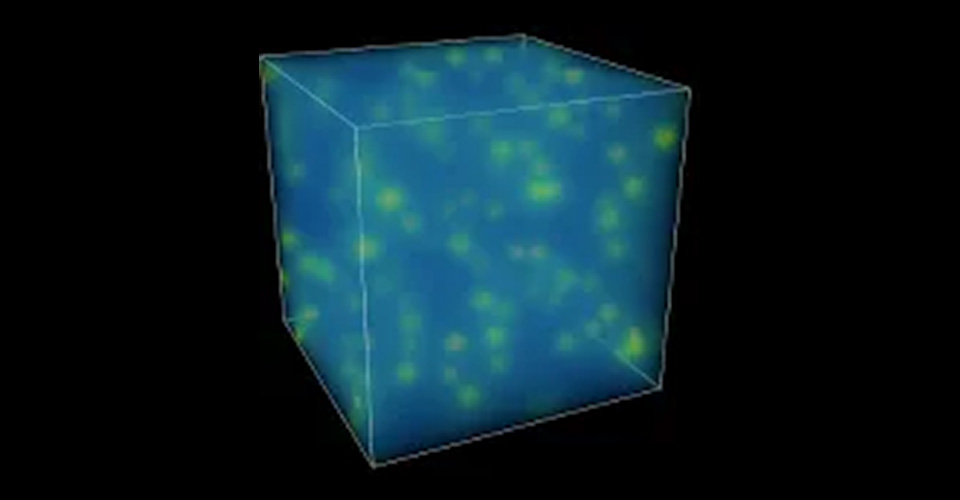
    Warm dense matter (WDM) encompasses ionized fluids at the confluence of condensed matter physics, plasma physics and dense liquids. Learn how experimental facilities can create and diagnose well-controlled WDM conditions, offering an unprecedented window on this intermediate state of matter and providing an ideal testing ground for theories.

    • Learn more
  • Quark-Gluon Plasma

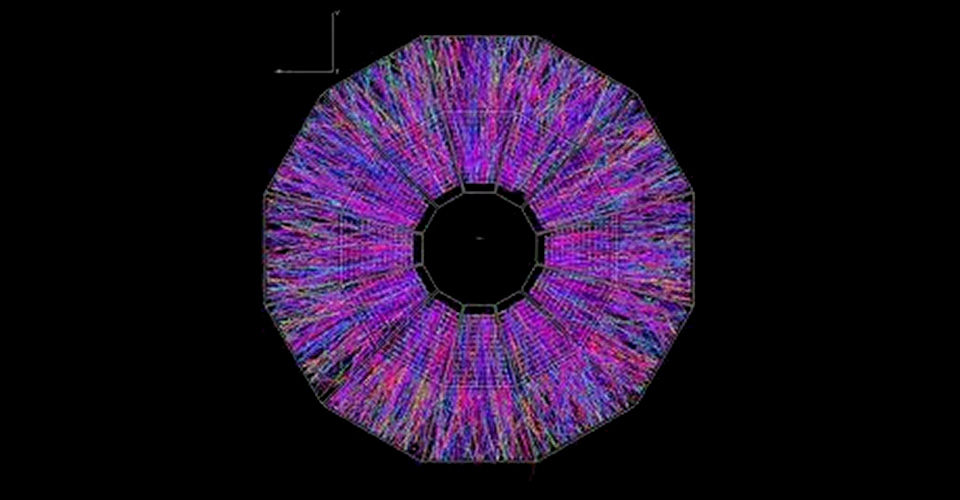
    The quark-gluon plasma created in very high-energy nucleus-nucleus collisions exhibits a remarkably small viscosity and strong collective behavior. Contrary to early expectations, the quark-gluon plasma thus formed does not behave like an ideal gas of quarks and gluons but appears to be strongly coupled, in analogy to a strongly coupled electron-ion plasma state.

    • Dig deeper

Meet the Team

Los Alamos brings together experts from diverse backgrounds, including plasma physics, dynamic fluid flows, and computational sciences. Join us to tackle complex challenges in energy research, astrophysics, and inertial confinement fusion.

Meet the Team