Anyone who knew Harold Agnew, Los Alamos National Laboratory’s third director, has more than one Agnew story to tell. Roger Meade, who was formerly an archivist and historian at the Laboratory and who came to know Agnew after the director left Los Alamos, says that the story of Agnew’s arrival at the Laboratory is his personal favorite.
Agnew first came to Los Alamos in 1943, not long after a secret laboratory was created in the New Mexico mountains as Project Y of the Manhattan Project (the wartime effort to build the world’s first nuclear weapons). At age 21, Agnew had already played a part in one historic endeavor, having worked under Enrico Fermi at the University of Chicago on the Chicago Pile-1 (CP-1) reactor, which achieved the world’s first controlled nuclear chain reaction and opened the door to the development of nuclear reactors and nuclear weapons alike.
According to Agnew, though, it wasn’t his role on Fermi’s team that led J. Robert Oppenheimer, the Manhattan Project’s leader, to recruit him to Los Alamos. Instead, it was Agnew’s wife, Beverly, who was really hired for the project. As a secretary, Beverly had supported the administrator of the CP-1 endeavor, and when Oppenheimer would visit Chicago, he’d often stop to talk with Beverly. Eventually, Oppenheimer asked Beverly to be his secretary at Los Alamos. Agnew, meanwhile, who had been forced by exposure to radiation to take time off from experimental work, came to the Laboratory in the spring of 1943 as part of a package deal.
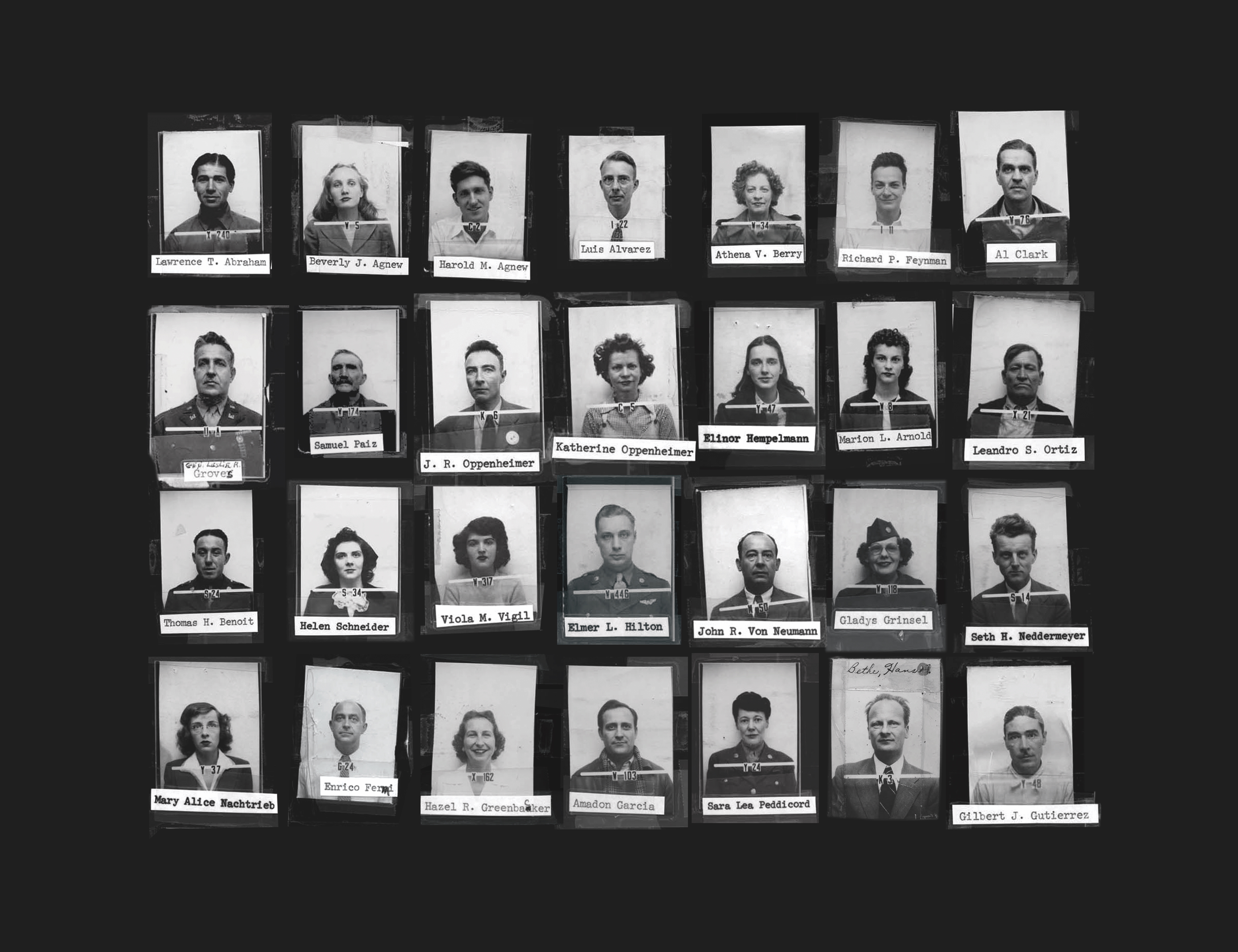
“I showed up at Los Alamos, and it was a Sunday, and my wife hadn’t arrived yet,” Agnew told Time magazine. “And I ran into Oppie. And all he said was: ‘Where’s Beverly?’ Which crushed me. From that day, I knew exactly where I stood with that guy.”
In its irreverence, the story is vintage Agnew. But the anecdote also reflects an unusual aspect of Agnew’s life: his having played a part in many pivotal events in 20th-century nuclear history, including CP-1’s development, the Manhattan Project, the Hiroshima mission, early fusion demonstrations, and more. In the words of retired Laboratory researcher Glen McDuff, Agnew was a kind of “Forrest Gump of the new nuclear age—a participant in many of its most important events.”
“He was one of those fortunate individuals who was there almost from the beginning,” Meade says. “He knew everybody. He participated in so many things that it’s hard to believe.”
The story of Agnew’s arrival in Los Alamos also hints at his ambition—a characteristic that helps explain how he would work his way up and become, nearly three decades after his arrival in Los Alamos, the Laboratory’s third director, serving in that role from 1970 to 1979. Under Agnew, the Laboratory developed programs that expanded its research into areas with little or no direct connection to nuclear weapons, including energy, environmental and earth science, biology, and more. “The Laboratory entered the final stage of its evolution when Harold was director,” says Alan Carr, Los Alamos’ senior historian, who knew Agnew personally. “Under Harold, we transitioned from being a nuclear science laboratory to a truly multidisciplinary institution.”
At the same time, during Agnew’s directorship, the Cold War was underway. Agnew championed the development of many of the weapons that remain the basis of the United States’ nuclear stockpile, and he supported key innovations that made those weapons safer. He was a staunch believer in nuclear deterrence and a fierce opponent of any bureaucracy that he thought hindered the Laboratory’s work—an attitude that sometimes rankled decision-makers.
Asked in 2005 about his directorship, Agnew didn’t hesitate to identify what he considered his crowning achievement. “About three quarters of the U.S. nuclear arsenal was designed under my tutelage at Los Alamos,” he said. “That is my legacy.”
A “well-liked boy with an analytical mind”
Agnew was born in Denver, Colorado, in 1921, the only child of a stonemason and a homemaker. His father had graduated from Cooper Union, a college in New York City, and was a devoted tinkerer who “usually worked every night on some gadget,” Agnew said in a 1983 oral history. Agnew would attribute his interest in physics and chemistry partly to this habit of his father’s.
Having spent his formative years during the Great Depression, Agnew learned to be thrifty and to work hard. While still in high school, he had jobs as a stableboy, a janitor, and a lifeguard. Matriculating at the University of Denver, he was a star student, president of his senior class, and a member of the Beta Theta Pi fraternity and Phi Beta Kappa—a “well-liked boy with [an] analytical mind,” according to the university’s 1942 yearbook. While at the university, he met fellow student Beverly Jackson, whom he married in May 1942, a month before he received his degree in chemistry. The couple would remain together until her death nearly seven decades later.
After Japan attacked Pearl Harbor in December 1941, the United States joined the Second World War. Originally intent on enlisting with Beverly in the Army Air Corps, Agnew was instead recruited by a professor to take part in a secret project at the University of Chicago. There, he was introduced to scientists in the university’s Metallurgical Laboratory, where researchers were studying uranium and plutonium as part of the secretive Manhattan Project. Just a few years before, in 1938, a team of chemists and physicists in Germany had discovered nuclear fission—the process by which an atom’s nucleus is split, releasing energy. Rumors that Germany was attempting to develop a weapon that harnessed this process helped drive the creation of the Manhattan Project, whose leaders aimed to beat the Nazis in the race to develop the world’s first nuclear bomb.
Agnew soon found himself working under Enrico Fermi, an Italian physicist and Nobel laureate, as Fermi developed a prototype nuclear reactor—a key step toward creating a nuclear weapon. Soon, Fermi’s team began assembling the graphite reactor, which came to be known as CP-1, on a squash court beneath the bleachers of the University of Chicago’s football field. “I personally did not like working on the pile,” Agnew recalled. “It was very dirty work. Dirty in the sense of [handling] the graphite. Like being a coal miner.”
According to Agnew, he had little awareness of CP-1’s significance until well after the reactor went critical on December 2, 1942, thinking the project “just another one of Fermi’s experiments.” He recalled, “At this point, I still didn’t know what the hell this was all about. Everything was very secret.”
At Project Y and over Japan
Agnew acquired a more complete understanding of the work he was contributing to when he came to Los Alamos in the spring of 1943. He spent the next two years at the Laboratory conducting experiments with a Cockcroft-Walton generator, bombarding disks of material—platinum and gold followed by nuclear weapon–relevant materials such as uranium and tungsten—to determine the materials’ scattering cross sections (that is, the materials’ propensity to capture neutrons). This research supported the design of the weapons that would be detonated over Japan in August 1945, helping to bring World War II to an end.
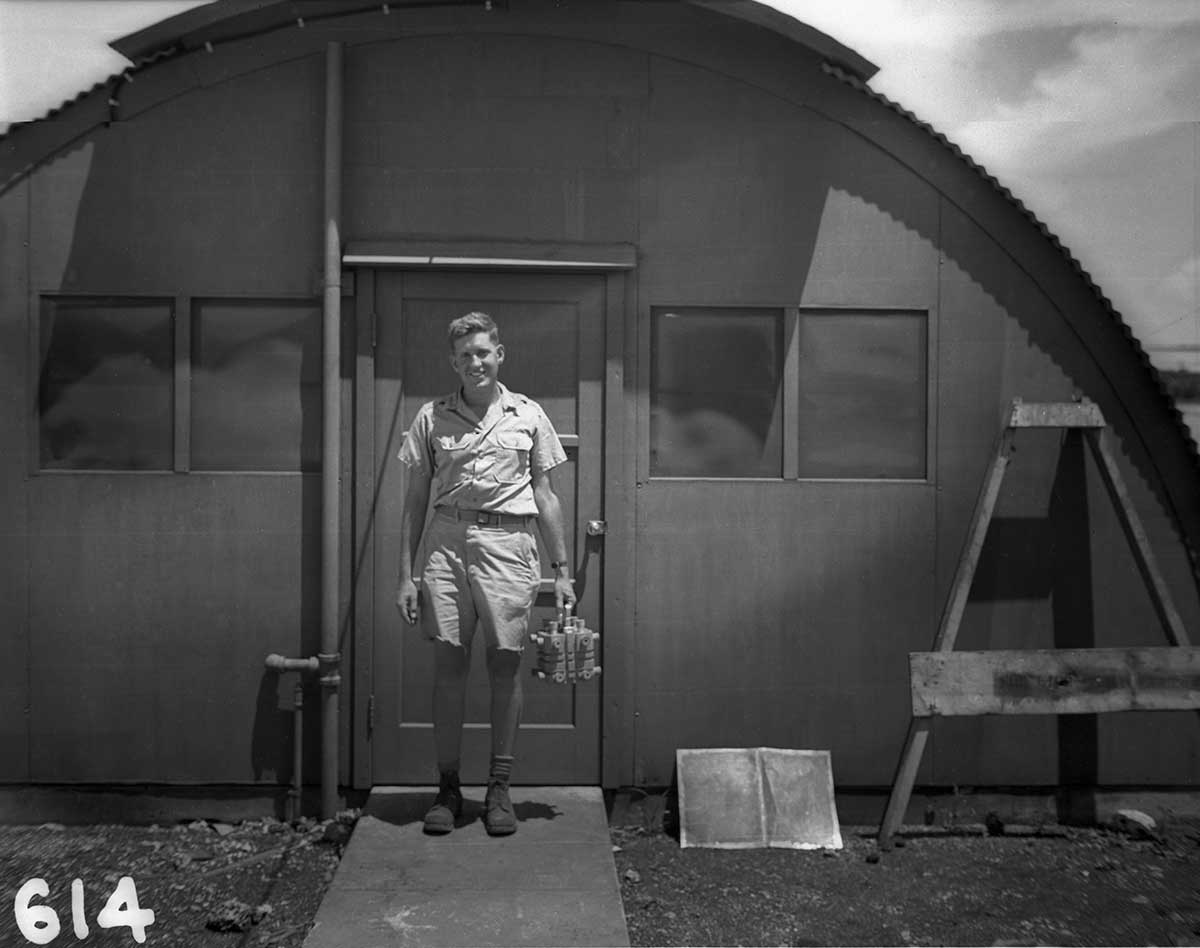
During the Manhattan Project, Agnew became involved in another research area that would make him a witness to the Hiroshima bombing. At Los Alamos, Agnew began working with physicist and future Nobel laureate Luis Alvarez, who was adapting acoustic sensors into gauges that could be dropped from an airplane to help estimate the yield of a nuclear weapon. Having worked with Alvarez on this project, in mid-1945, Agnew was sent to Tinian Island—the base for the Hiroshima and Nagasaki missions—to help ready the bombs developed at Los Alamos and to oversee the deployment of the blast sensors during the bombings.
“We were working six days a week on Tinian, trying to get ready for the mission,” Agnew recalled. “We all got jungle rot on our feet and hands. I remember going to a doctor and asking what to do. He told me, ‘Scratch it.’”
To fly the Hiroshima mission, Agnew was required to wear a military uniform (with the logic that if the plane crashed and he were captured, he would be treated as a prisoner of war and receive better treatment than if he were thought to be a spy). Agnew was issued a quartermaster’s uniform, which, as he discovered, earned him privileges on Tinian. “He went to the supply hut, and there were a couple of privates there who jumped up and saluted him,” Carr says. “And so, Harold started asking for stuff. He said, ‘Can I have a camera?’ and they said, ‘Absolutely.’ He said, ‘I’ve got to have some film for my camera,’ so they gave him some film.” But the privates’ willingness to accommodate Agnew only went so far: “Harold saw some beer in there, and he said, ‘Can I have that case?’ And the privates said, ‘We’ll have to ask the colonel about that.’”
From Tinian, on August 6, 1945, Agnew flew on an instrument plane, the Great Artiste, that accompanied the Enola Gay, which dropped the Hiroshima bomb. A third aircraft was tasked with filming the bombing, but Agnew smuggled the camera he’d acquired onto the Great Artiste and passed it to the bomber’s tail gunner, who would have a better view of Hiroshima than Agnew and who duly filmed the bombing. Agnew’s decision to bring a camera was fortuitous: The official camera failed, making the footage from Agnew’s camera the only extant video of the event.
Throughout his life, Agnew never expressed any doubt about the necessity of the Hiroshima and Nagasaki bombings. “By ending the war so quickly…we saved a lot of lives,” he said in 1983.
Agnew acknowledged that his thinking about the bombings was shaped by personal experience. “Many of my classmates were killed in the war. This had a bearing on my attitude,” he said. “These were real people that I had grown up with, played softball with…A whole bunch of guys that I went to school with were all killed.”
“Agnew said that the bomb was the single best thing to happen in World War II,” Meade says. “It stopped the war, and it stopped the killing. He was out in the Pacific, and he saw the carnage and the death—the hospitals that were being built to hold the wounded that would come back when Japan was invaded. I think that the Manhattan Project was really the thing that Agnew was most proud of.”
Returning to the Laboratory
When the war ended, Agnew was just 24 years old. Although he’d played a part in the Manhattan Project, the war had interrupted his education, and his first order of business was to return to school and earn his doctoral degree. With backing from Fermi, Agnew was granted a fellowship to study physics at the University of Chicago. He moved with Beverly and their daughter, Nancy, to Chicago in 1946 and promptly took up residence in Fermi’s home, where the Agnews remained until Harold was able to find an apartment for the family.
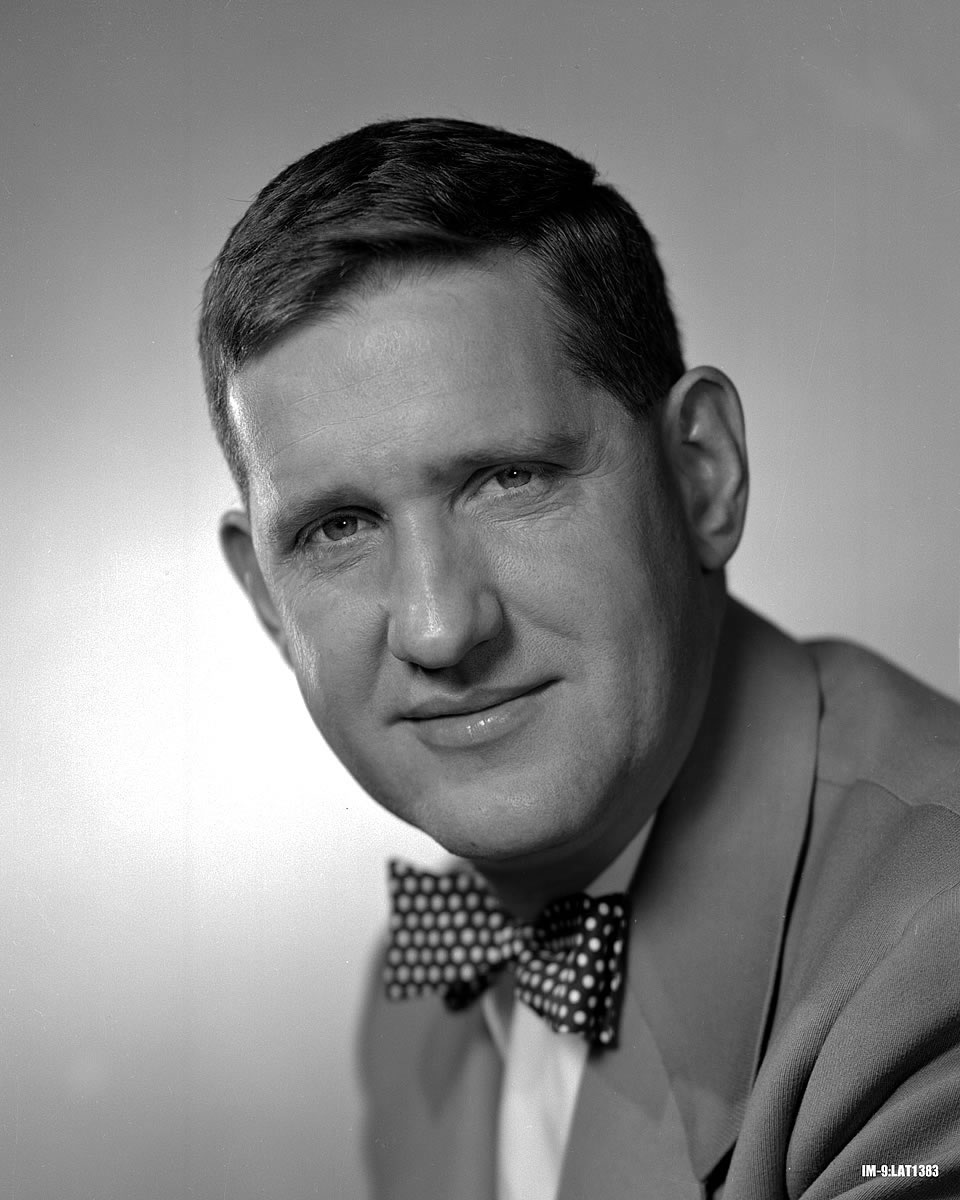
Although Agnew’s background in chemistry made doctoral work in physics challenging, he was grateful for the opportunity to continue to work with Fermi, whom Agnew, like many scientists of his generation, viewed as a hero. In Meade’s estimation, working closely with Fermi was the thing that Agnew took pride in most after his contributions to the Manhattan Project. “Agnew was very proud of his scientific character—of where he came from and who he was taught by,” Meade says. “I think that exposure to Fermi is really what drove his career academically and intellectually.”
Agnew’s graduate work involved both experimental and theoretical research. For his thesis, he designed a two-coil beta-ray spectrometer, which, by measuring the energy and intensity of beta particles emitted during nuclear decay, could help characterize the disintegration of atomic nuclei.
With his doctorate in hand, in 1949, Agnew returned with his family to Los Alamos, where he secured a position that involved conducting research with a Van de Graaff accelerator. In a biographical memoir of Agnew published for the National Academy of Sciences, physicist Dick Garwin recounts an incident from this period that nearly cost Agnew his job:
The physicists [who were conducting research on the Van de Graaff] were contaminated by breathing tritium, and in order to remove it from the body as quickly as possible, they were instructed to drink beer all day at the Van de Graaff. Their urine samples were tested daily for tritium, and one day, Harold submitted a sample of beer rather than urine. Tom Shipman, head of the medical group, sent Jerry Kellogg, the Physics Division leader, a note saying that with that level of alcohol in his urine, Harold was probably dead.
Agnew responded to Shipman, “Members of Group P-3 (Accelerator Research) are unique individuals and ordinarily an alcoholic content of the order of 6% in their urine should not be considered as unusual.” Kellogg was not amused and sought to have Agnew fired, but fortunately, the incident was forgotten.
It wasn’t the only time that Agnew would, by his own account, put his job in jeopardy. A second such incident occurred a few years later, when Los Alamos’ thermonuclear weapon program was in full swing.
The thermonuclear program
Although scientists at Los Alamos had conducted research into fusion—that is, the fusing of atomic nuclei, which can yield a far greater release of energy than fission can—since the earliest days of the Manhattan Project, fusion research began in earnest at the Laboratory after the Soviet Union detonated its first atomic device in 1949. In response, in 1950, President Harry S. Truman directed Los Alamos to continue, as quickly as possible, the development of a fusion weapon. The Laboratory adopted a six-day work week to achieve this goal.
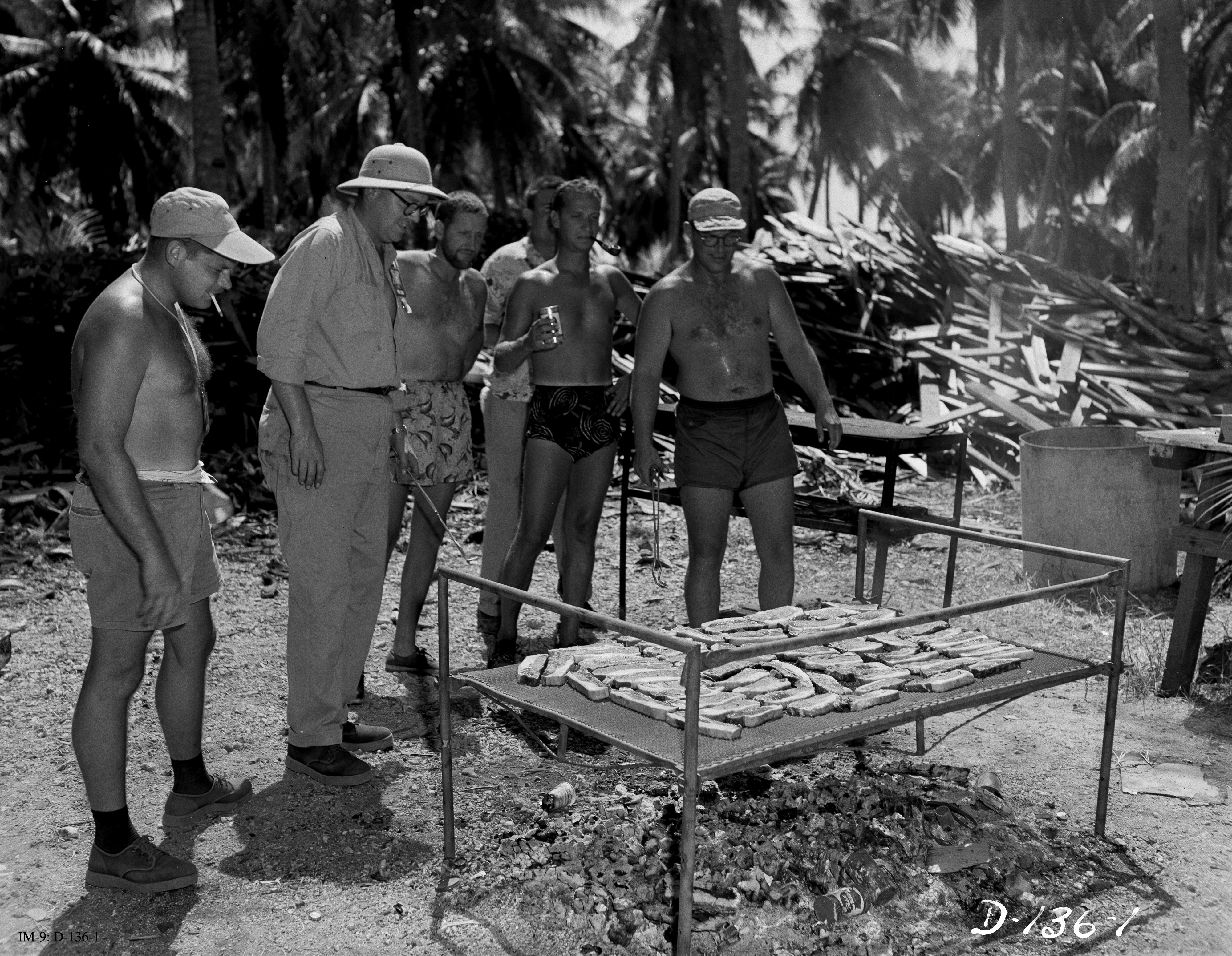
In 1951, mathematician Stanislaw Ulam proposed an idea that physicist Edward Teller greatly improved upon to help make the design of a thermonuclear weapon possible. Experiments over the next several years confirmed Teller and Ulam’s insights, ushering in the thermonuclear era. The earliest thermonuclear devices were built with deuterium (a hydrogen isotope) that had to be cryogenically cooled to around negative 423 degrees Celsius—cold enough to ensure that the deuterium remained liquid. This made the devices large and difficult to handle even after Los Alamos researchers endeavored to reduce their size.
Agnew, however, had a different idea. Rather than rely on liquid hydrogen, why not use a “dry,” or solid, fuel? Weapons that used solid fuel could be smaller, lighter, and easier to maintain than liquid ones, although they would potentially have lower yields. “Harold felt that we were making too many bombs in too many ways and that if we really did want to have an emergency capability ready as soon as possible, the Laboratory needed to concentrate on the most straightforward, effective weapons,” Carr says. “To him, that meant ditching all the cryogenic stuff. And he wanted to bring this idea to the attention of senior management at the Laboratory.”
Later, Agnew attributed his support for solid-fueled weapons to a premonition. “I was obsessed with the idea that we could make [the weapons] much smaller, and the reason I wanted to make them smaller was so they could be compatible with missiles, which I was convinced was going to happen,” he said in the 1980s. (The Honest John surface-to-air missile, which was deployed in 1953, was the first missile that could deliver a nuclear weapon. In 1959, the United States deployed the Atlas missile—the first intercontinental ballistic missile to enter service.)
To advance his vision for thermonuclear weapon development, Agnew decided to bypass his managers—including Marshall Holloway, who had led key thermonuclear research campaigns—and sent a letter directly to Norris Bradbury, the Laboratory’s director. Agnew persuaded Hans Bethe, who had led Los Alamos’ theoretical division during the war and would win the Nobel Prize in 1967, to sign a letter to Bradbury that concurred with Agnew’s opinion.
The move was risky. Agnew later claimed that after the letter was sent, he was told that Holloway was furious and that he would have been fired if not for Bethe’s signature on the letter. Not only did Agnew keep his job, however, but his vision won out, and Los Alamos consolidated its efforts behind the design of solid-fueled weapons. “Ultimately, Harold was proven right,” Carr says. “His vision made it possible to streamline fabrication and all the other aspects of weapon production that people don’t usually think about.”
New approaches to nuclear safety
By the mid-1950s, Agnew had set his sights on the Laboratory’s top job. “I couldn’t think of anything better than running Los Alamos,” he said later. (In this respect, he differed from Bradbury, who became director only reluctantly.)
Throughout the 1950s, Agnew continued to advance in Los Alamos’ weapons program. He also ran for and was elected to the New Mexico State Legislature, representing the newly created Los Alamos County as a senator from 1955 to 1961. Beverly was elected to office, too, serving on the New Mexico Board of Education.
In 1960, Agnew made a somewhat risky decision: to accept a short-term assignment to the North Atlantic Treaty Organization’s (NATO’s) Joint Committee on Atomic Energy. The role necessitated a move to Paris from 1961 to 1964. “I really wanted to stay at Los Alamos because when you leave a place, you are forgotten,” he said. “Leaving was rather traumatic.”
Why, then, did Agnew go to Europe? “You had Bradbury sitting in the directorship for a long time. Division leaders were there for a long time. I think he was sort of champing at the bit,” Meade says. “He saw that if he was going to get ahead, he had to get something else on his resume, and that was to go off to NATO as a science advisor. That experience gave him an entrée into a world that he might not otherwise have had.”
While in Europe, Agnew had an experience that led him to propose a technical innovation that still supports nuclear weapon safety today. Carr recounts that while visiting an air base that hosted American nuclear weapons under NATO, Agnew was aghast to discover that the weapons were guarded by a lone soldier with a rifle whose job it was to prevent the unauthorized takeoff of any aircraft carrying American nuclear weapons.
“Agnew thought that we should have something more to protect those weapons,” Carr says. “And that was the origin of the permissive action link.”
The permissive action link, or PAL, requires the input of a code that “unlocks” a weapon for use. Agnew brought the idea to researchers at Sandia National Laboratory (today’s Sandia National Laboratories), which designs nuclear weapons’ nonnuclear components and took the lead on developing the PAL. In 1962, at the direction of President John F. Kennedy, PALs were installed on all American nuclear weapons in Europe, and over the following two decades, PALs would be incorporated into all U.S. nuclear weapons.
Agnew played an important part in other aspects of nuclear weapon safety research, too, having helped author the technical guidance that underpins what came to be known as the Walske Criteria. The Walske Criteria, which were proposed in 1968 by Carl Walske (then assistant to the secretary of defense for atomic energy), comprise a set of safety requirements for nuclear weapon designs. Per the Walske Criteria, every weapon in the U.S. stockpile must have no greater than a one-in-a-billion chance of an accidental detonation over its lifespan and no greater than a one-in-a-million chance of an accidental detonation under conditions such as airplane crashes or fires.
The criteria also include one-point safety, according to which the likelihood of significant nuclear yield resulting from a detonation of the high explosives inside a nuclear weapon at any single point must be less than one in a million. “The creation of the Walske Criteria really goes back to Harold Agnew and other people who worked in the weapons program at Los Alamos in the 1950s,” Carr says.
Becoming director
Agnew’s gambit in leaving the Laboratory paid off: When he returned to Los Alamos in 1964, he was appointed leader of the weapons program. Five years later, Bradbury retired as Laboratory director, and in 1970, Agnew at last took Los Alamos’ top job. Although Agnew offered Bradbury a position as a senior advisor to the director, Bradbury declined: “[Bradbury] said, ‘You wanted it, you got it,’” Agnew recalled. “I guess he felt that I knew what I was doing.”
Even without Bradbury’s guidance, Agnew didn’t want for confidence. Nuclear physicist John Hopkins started at the Laboratory as a student in 1955, and over the course of some four decades at Los Alamos, he would come to direct its testing and weapons programs. Hopkins worked closely with Agnew and became a friend of the director, whom he views as one of the Laboratory’s three greatest leaders (alongside Oppenheimer and Bradbury).
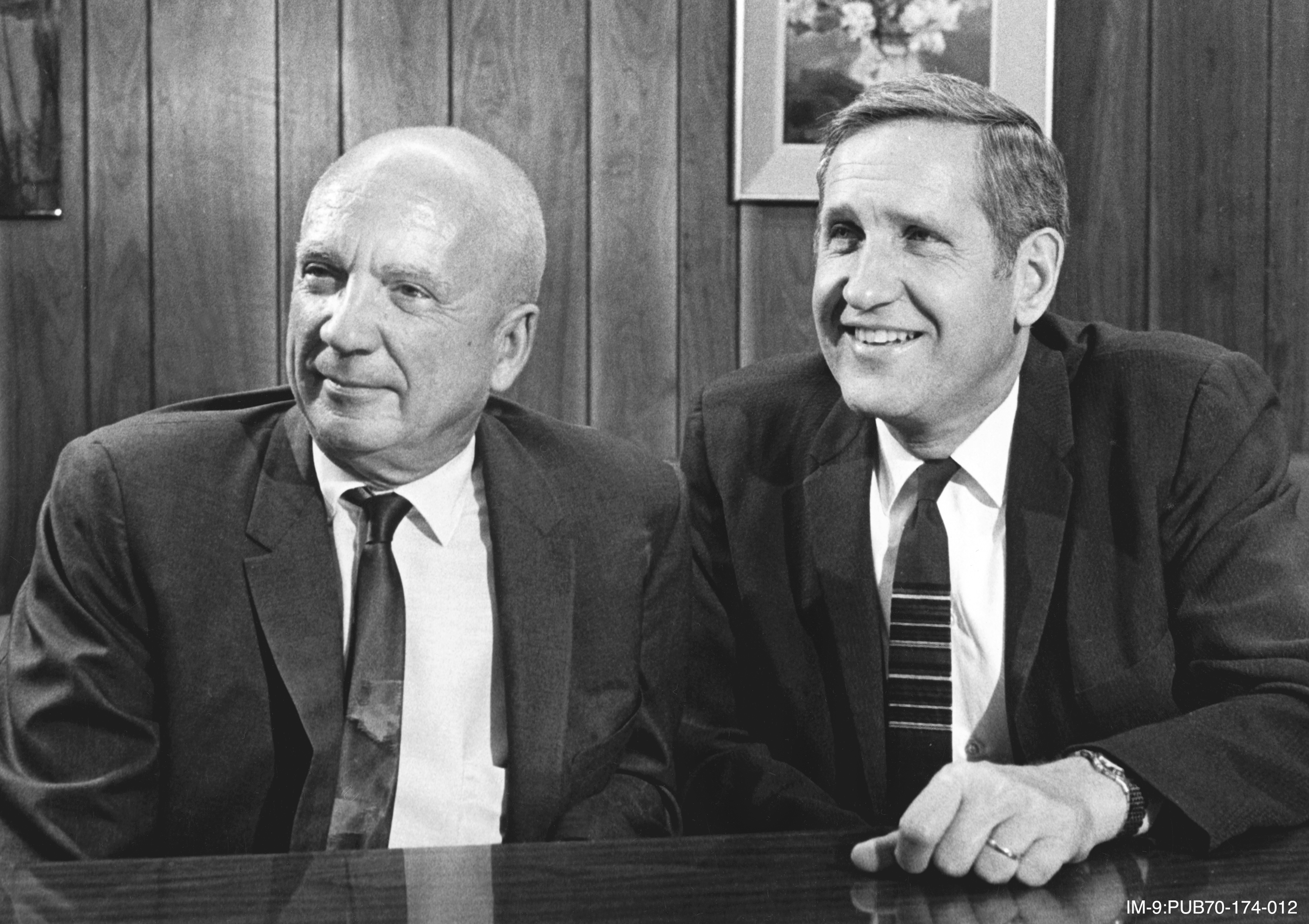
“Agnew and Bradbury both came up through the weapons program, so they understood nuclear weapons,” Hopkins says. “They were both very confident in their positions, which made them easy to talk to and easy to disagree with. And they respected their staff. If anybody at the Laboratory wanted to talk to Harold about something, they were welcome in his office.”
Hopkins notes that one of Agnew’s first decisions as director was to change many of the leaders of the weapons program. Leaders such as J. Carson Mark, who had played an important part in the thermonuclear program, and Jane Hall, an associate director of the Laboratory, were encouraged to retire or otherwise give up their leadership positions as Agnew hired staff who more closely shared his vision for Los Alamos’ future.
In 1983, Raemer Schreiber, who was deputy Laboratory director under Agnew, explained that although Bradbury had foreseen the need for changes in Los Alamos’ leadership and organization, he had decided to let his successor make those changes. “Norris did not want to make changes that would obligate the incoming director,” Schreiber said. “When Harold took over, he had the chance to assert his leadership at once.”
Nuclear weapons under Agnew
Agnew soon asserted his leadership in other ways, too. In 1952, Lawrence Livermore National Laboratory was founded in California as a second nuclear weapons–design laboratory. Although Livermore suffered early setbacks in its weapons development, throughout the 1960s, the laboratory distinguished itself by its willingness to innovate and by its eagerness to cultivate relationships with the military.
Carr says that Agnew’s attitude toward innovation was one of the reasons that Agnew was the right choice to be Bradbury’s successor. “Bradbury was extremely conservative in many ways,” Carr says. “I think that was of great value to the weapons program for a long time. His attitude was, ‘We’re not building science-fair projects. We’re building weapons. And if you build a weapon for deterrence, it has to work.’ But in the early 1960s, Livermore began to really take off and to come up with some incredibly innovative weapon designs. And Los Alamos was falling behind. We weren’t being as can-do as we needed to be.”
With Agnew as director, Los Alamos adopted a more adventurous and collaborative approach to weapons development. “Harold was much more enthusiastic than Bradbury about trying new ideas,” Hopkins says. “If you came to Harold with a fancy new idea, he’d be more likely to accept it than Bradbury would have been.”
This attitude was especially important at a time when the nation’s deterrence strategy increasingly emphasized land- and sea-based ballistic missiles over bombs delivered by aircraft. Such weapons necessitated greater collaboration between the laboratories, which designed the warheads, and the military, which designed the missiles on which the warheads were delivered.
For this reason, a closer relationship between the Laboratory and the military was essential. Agnew created a new office at the Laboratory that was responsible for coordinating with the military. He also lobbied vigorously in Washington, D.C., on Los Alamos’ behalf, emphasizing public relations in a way that Bradbury hadn’t.
Beyond reflecting a different attitude about the Laboratory’s role, Agnew’s efforts to acquire new weapon programs for Los Alamos (such as the W76 for Trident submarine-launched ballistic missiles and the W78 for Minuteman III intercontinental ballistic missiles) arguably reflected a different attitude toward nuclear weapons in general. “Harold was a weapons guy,” Carr says. “Harold was fascinated with weapons. He liked the technology, and he always wanted to push the limits. He warmly embraced nuclear deterrence.”
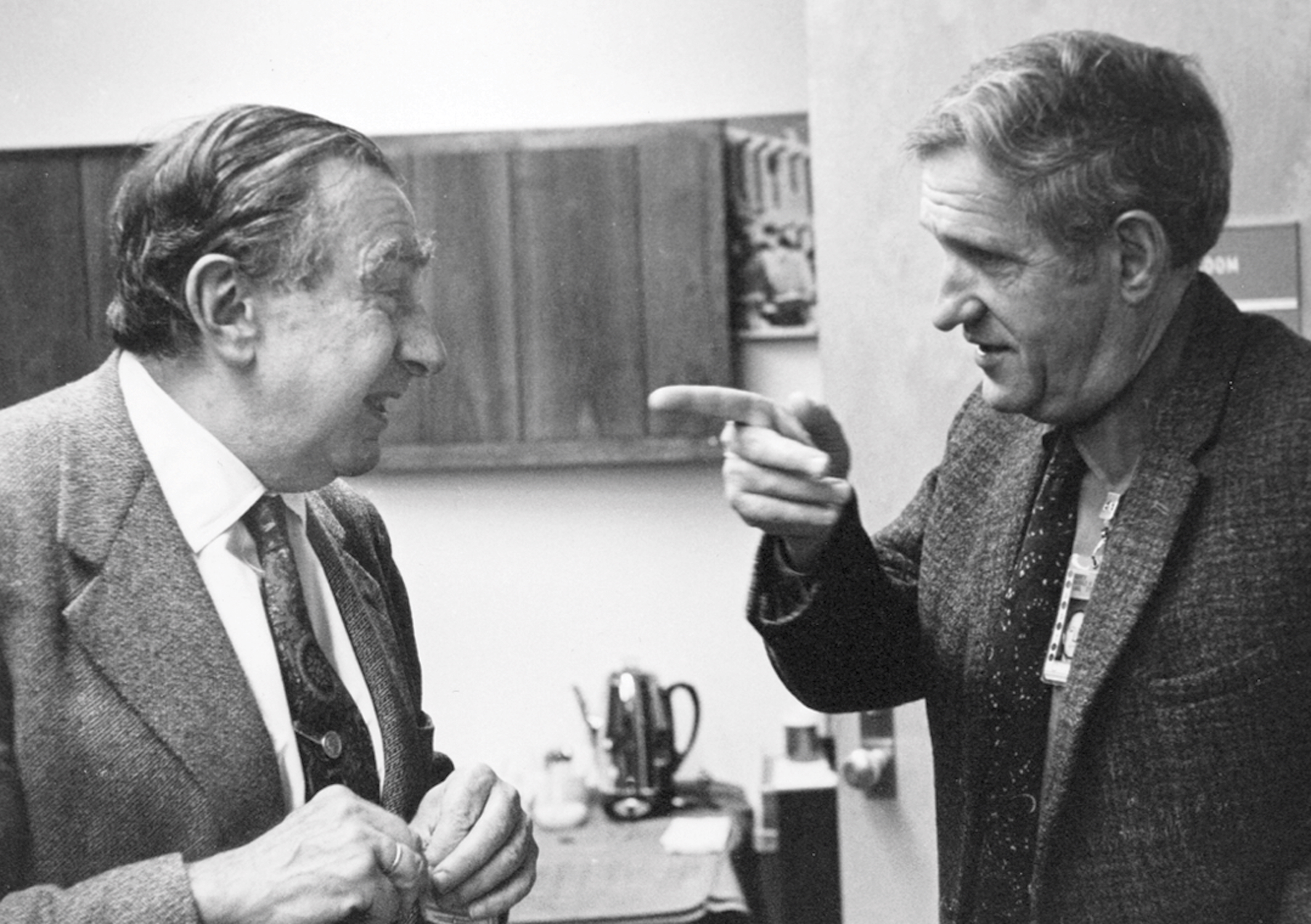
This attitude may go some way toward explaining Agnew’s support for more controversial weapon designs. For example, Agnew advocated for the development of tactical nuclear weapons—nuclear weapons with a small yield that could be used on the battlefield. He also supported the development of the so-called “neutron bomb,” also known as the enhanced-radiation weapon, which would have maximized the production of short-term radiation while minimizing blast and radioactive fallout.
At the same time, weapons safety remained a priority for Agnew. One of the achievements of which he was most proud was Los Alamos’ development of insensitive high explosives for nuclear weapons. Insensitive high explosives can be struck with a bullet without detonating and are less likely to ignite in a fire, and they are widely used in the U.S. nuclear weapon stockpile today.
The Laboratory diversifies
Although Agnew revitalized the Laboratory’s weapons program, he was also eager to expand Los Alamos’ work into new areas. Under Bradbury, the Laboratory had conducted research into technologies that were related to nuclear physics—for example, controlled thermonuclear fusion and nuclear-powered rockets. But it was only under Agnew that major research programs in areas with little or no connection to nuclear science first came to fruition.
“[Agnew] was always intensely proud of the capabilities of the Laboratory and did not feel that its expertise needed to be confined to nuclear physics,” Schreiber said. “He was willing to tackle any scientific or technological problem worth solving. Generally, he took the attitude, ‘If we don’t have the experts, we can get them.’”
Energy research quickly became a major focus at Los Alamos. Since the Manhattan Project, the Laboratory had conducted research related to nuclear reactors. Among other projects, Rover—which involved developing nuclear-powered rocket engines—became a major initiative at Los Alamos in the 1960s.
However, in 1973, the Atomic Energy Commission, which oversaw Los Alamos, ended Rover. Partly out of a need to find new work for the scientists and engineers who had formerly conducted this research—and, a few years later, in response to the oil crisis of 1973–1974, which increased national interest in alternative energy sources—under Agnew, the Laboratory expanded its solar energy, hydrogen fuel, and geothermal research. Los Alamos soon carried out pioneering research in each of these areas, and the Laboratory developed research programs in areas such as biology, applied mathematics, and earth sciences such as hydrology and atmospheric modeling, too.
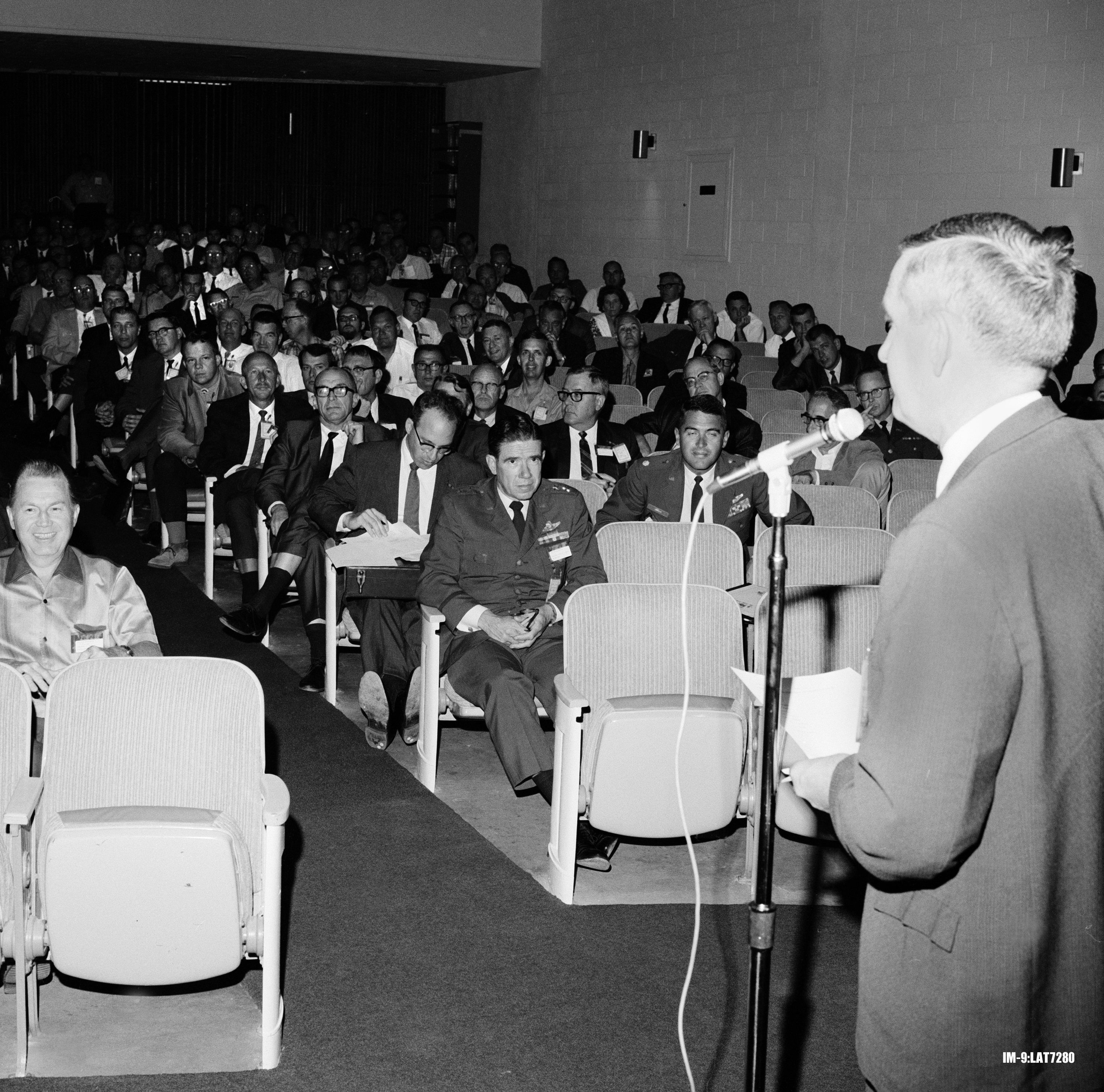
Other programs had a more direct connection to nuclear science. Under Bradbury, the Laboratory had established a nuclear safeguards program, which involved developing tools that would allow workers and safeguard inspectors to monitor facilities where nuclear material was handled, ensuring that such material wasn’t stolen or diverted. Agnew endorsed this program, and while he was director, the Laboratory continued to support the International Atomic Energy Agency (IAEA). As the world’s foremost developer of safeguard instruments, Los Alamos also began to train IAEA inspectors on the use of these tools. Since Agnew’s tenure, every IAEA safeguard inspector has come to the Laboratory for training.
Under Agnew, in 1972, Los Alamos also opened a kilometer-long particle accelerator called the Meson Physics Facility, which is known today as the Los Alamos Neutron Science Center, to conduct important basic physics research. (The project was inaugurated under Bradbury.) And, while Agnew was director, the Laboratory acquired its first Cray supercomputer—a machine that would set the stage for later supercomputing research at Los Alamos (an area that remains central to the Laboratory’s work today).
So successful was Los Alamos’ expansion into new areas that during Agnew’s tenure as director, the Laboratory roughly doubled in size, growing from some 4,000 to 8,000 employees. Throughout this period, Agnew remained a highly engaged leader who would often visit employees personally. “He had a certain number of things he’d want to accomplish in a day, and if he got through that list, he’d often wander around, dropping into people’s offices and saying, ‘What are you doing? How are things going?’” Hopkins says. “It was nice to know that if anybody wanted to talk to Harold about something, they could.”
Bureaucracy blues
During the mid-1970s, more stringent oversight from Washington, D.C., led to bureaucratic constraints for which Agnew had little patience. For example, as the environment became a matter of increasing public concern, environmental stewardship began to be taken more seriously in the nuclear enterprise. A consequence of this shift was the introduction of additional oversight and paperwork that, in Agnew’s view, hindered Los Alamos’ work. “Harold was a guy who’d built the world’s first nuclear reactor with his own hands,” Carr says. “And his attitude was, ‘Now, we’re having to do all this paperwork just to do something we’ve done a million times before.’”
Agnew wasn’t afraid to express his contempt for new bureaucratic hurdles. “Bureaucracy will eradicate creative endeavor and innovation in the long run,” Agnew said in a statement delivered to the National Science Board in 1976. “Unless this trend toward centralization is somehow reversed, I predict the U.S. will rapidly lose its lead in science and technology.”
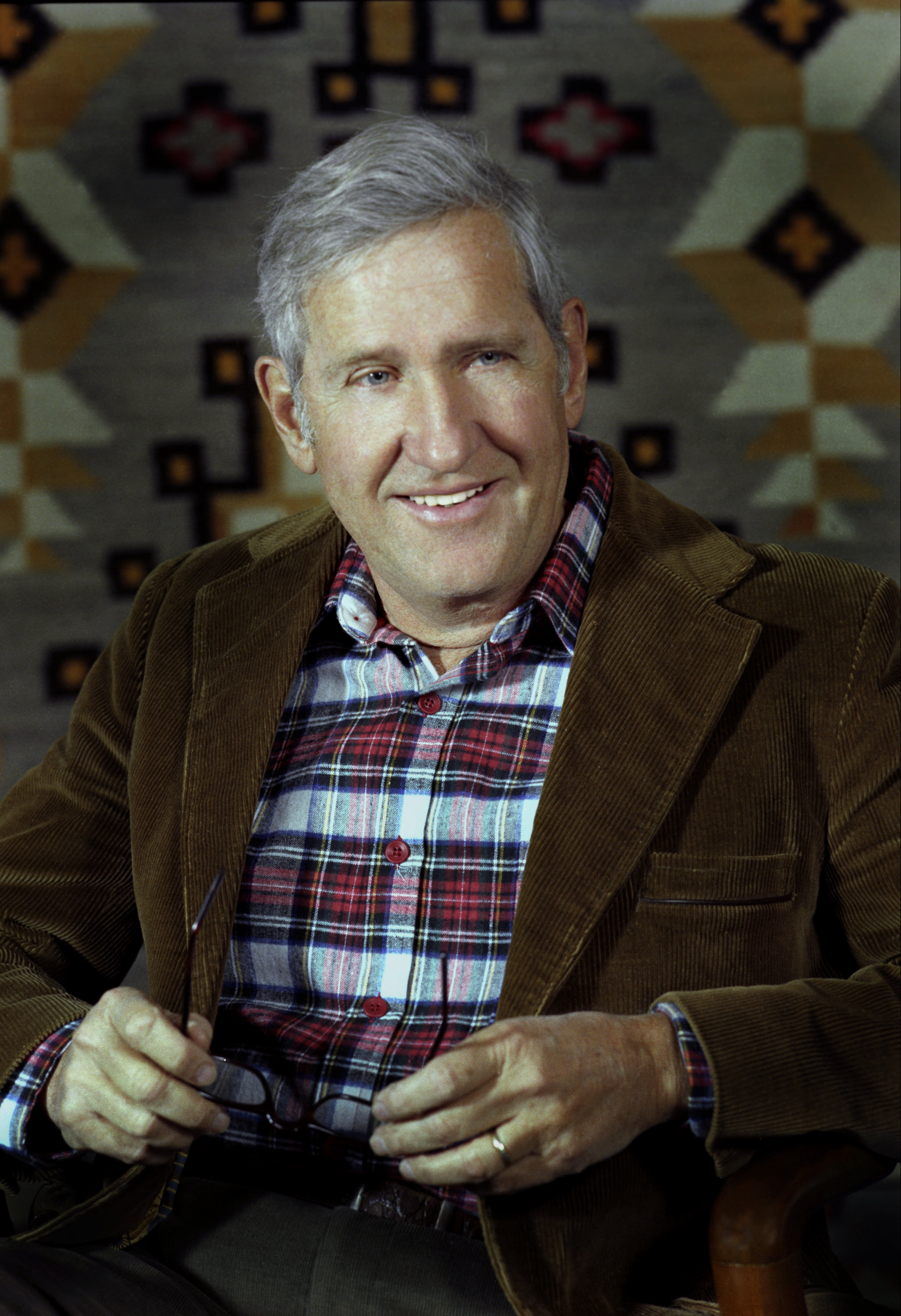
Statements like these contributed to Agnew’s stature at the Laboratory, where he was seen as a defender of science and Los Alamos’ work. But they also created tensions with Washington and with the University of California, which, since the Manhattan Project, had been contracted to operate the Laboratory.
Fed up with bureaucratic hurdles and what he perceived as a lack of institutional support, Agnew resigned the directorship in 1979. Hopkins recalls asking Agnew why he chose to quit. “He said he woke up one morning, and he was pissed off at everybody. And so, he thought that was the time to leave,” Hopkins says.
Later, Agnew would be more circumspect. In 2005, discussing Bradbury’s 25-year tenure at the Laboratory and, implicitly, reflecting on his own career, Agnew said, “If you take a leadership job, if you can hack it, you ought to stay 5 years but no more than 10, because there are things you want to do and you’ve either done them or you haven’t done them in 10 years. [If the latter,] you’re never going to get them done, and you’re out of ideas. So, let somebody else take over.”
Life after Los Alamos
After leaving Los Alamos, Agnew became president of General Atomics in La Jolla, California. The company develops commercial nuclear power reactors and researches other nuclear technologies. Agnew remained the company’s president until retiring in 1985, although he joined its board of directors in 1988, serving in that capacity for 25 years. He also became, in 1988, an adjunct professor at the University of California, San Diego, teaching in the physics department. He was elected to the National Academy of Engineering in 1976 and to the National Academy of Sciences in 1979.
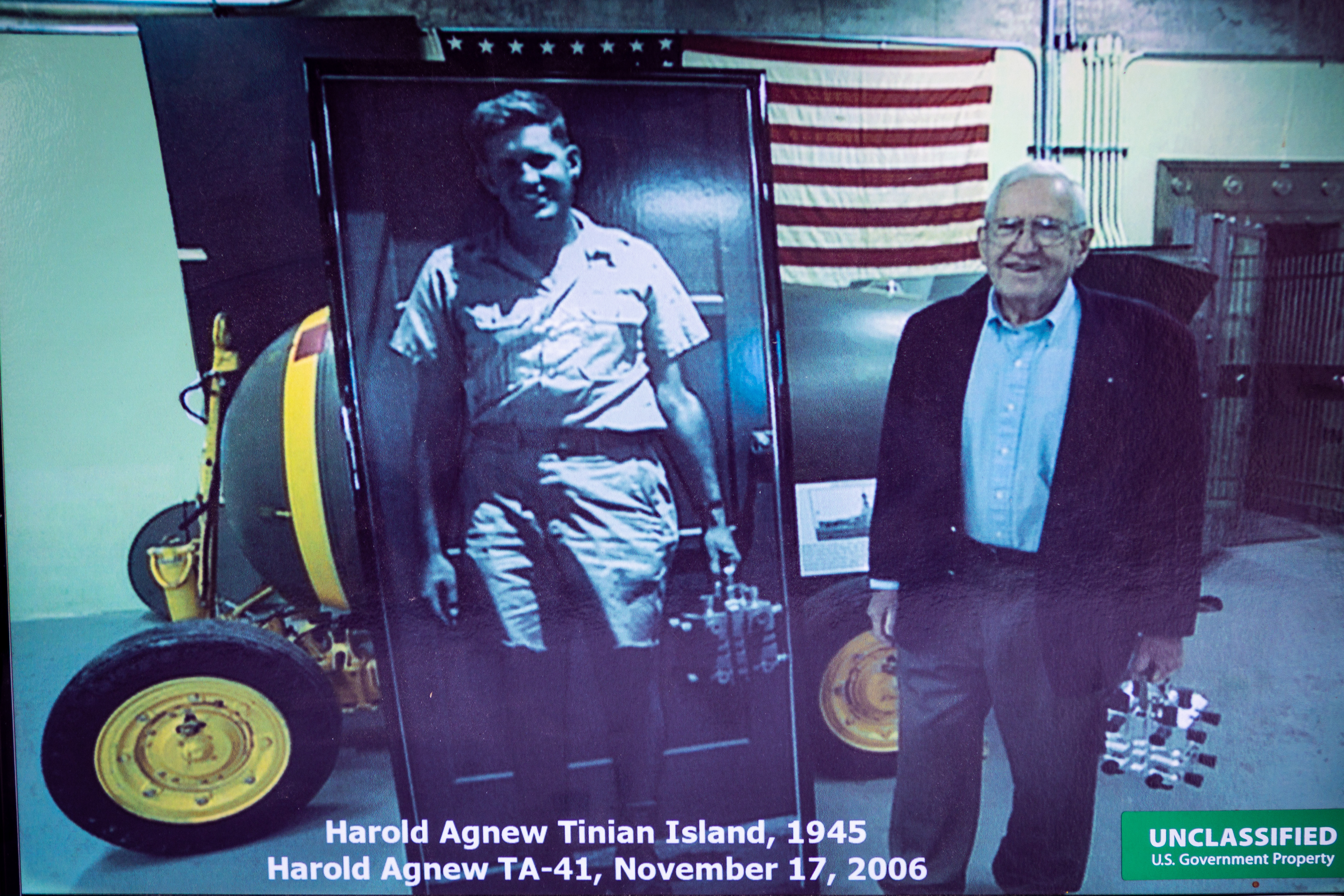
Having retired to Solana Beach, California, Agnew made periodic visits to Los Alamos, where he regaled audiences with stories from his long career and where he remained a legendary figure. “Harold was very human. He was very approachable, and he was kind to everybody that I ever saw him interact with,” Meade says. “But he was also larger than life. He knew a good story and a good piece of theater when he saw it. And people at the Laboratory felt that he was on their side and was speaking for them.”
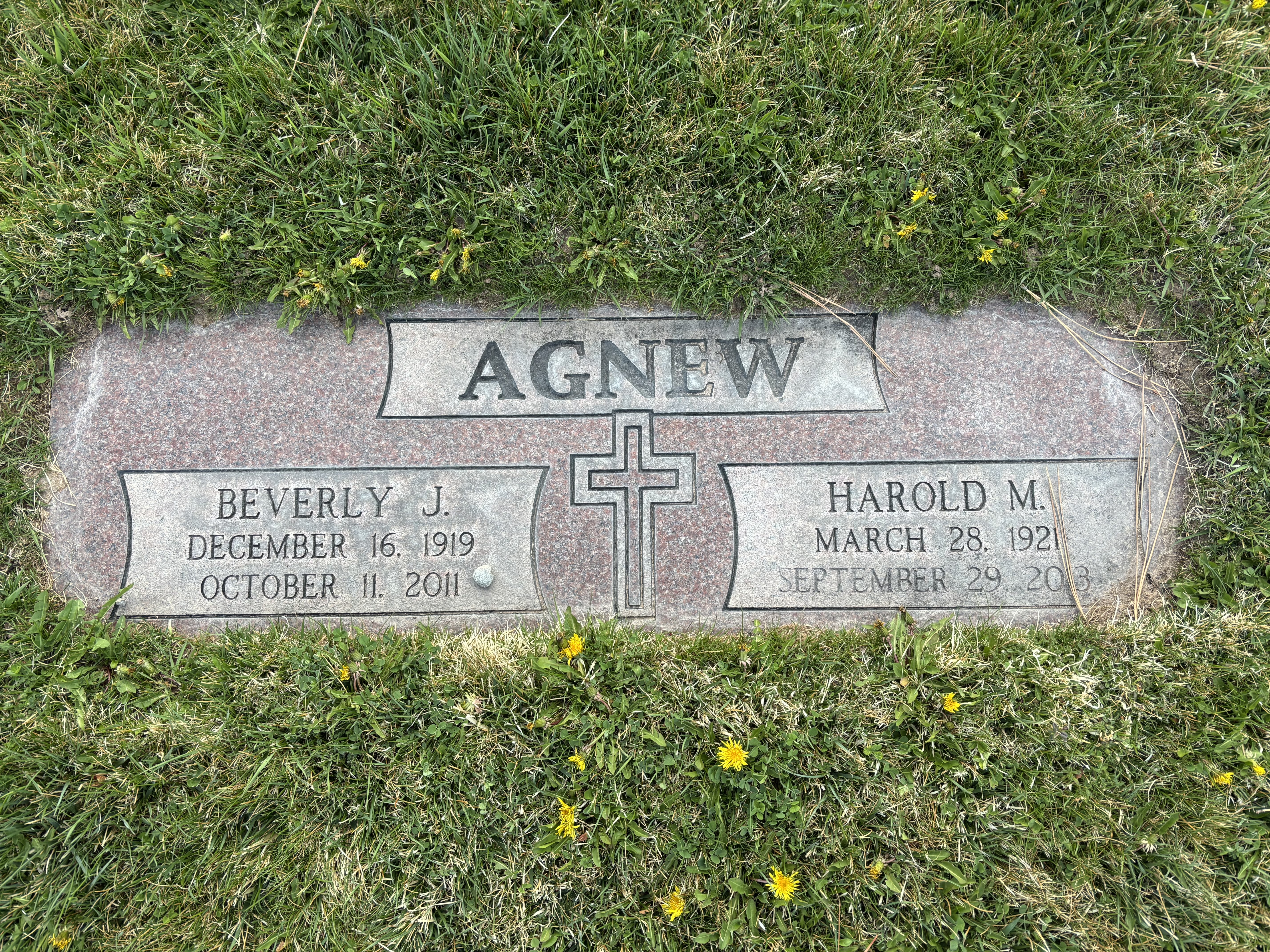
Beverly died in October 2011 after a period of ill health, during which Agnew had been a devoted caretaker. Agnew himself lived until September 2013, when, at age 92 and while watching football on television, he died of leukemia. He was survived by his two children, Nancy and John, and their families.
Throughout his life, Agnew remained a staunch proponent of science in the national interest and of nuclear deterrence. As a witness to many of the most pivotal events of the nuclear age, he brought a singular perspective to Los Alamos and beyond.
“To me, what it all comes back to is that Harold loved this country,” Carr says. “He believed in nuclear deterrence, and he wanted to make sure that the United States maintained its lead for the sake of the world. That’s what drove him. He could be intimidating because of his candor, but that was because he cared about the Laboratory and wanted people to understand how important its mission was.” ★