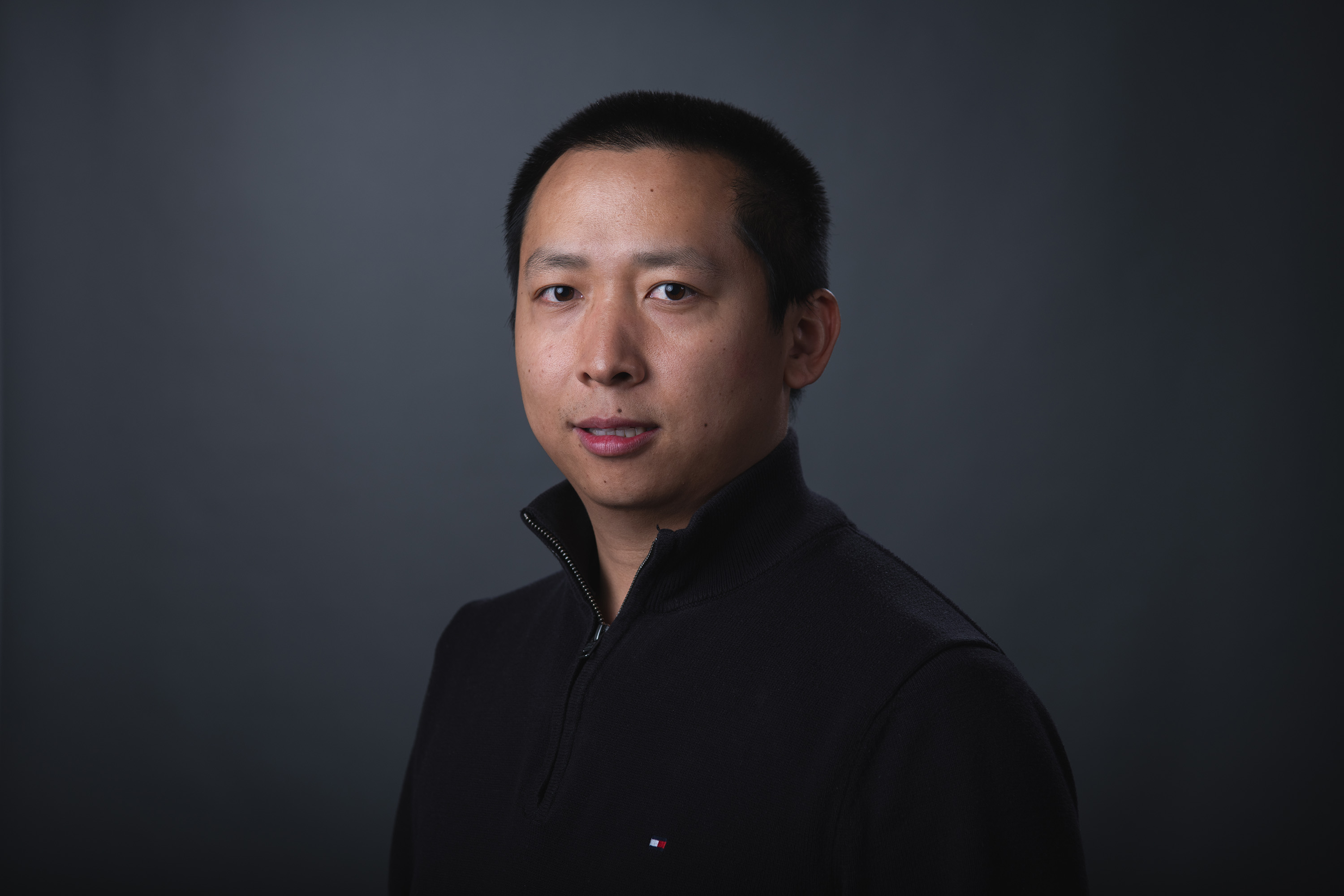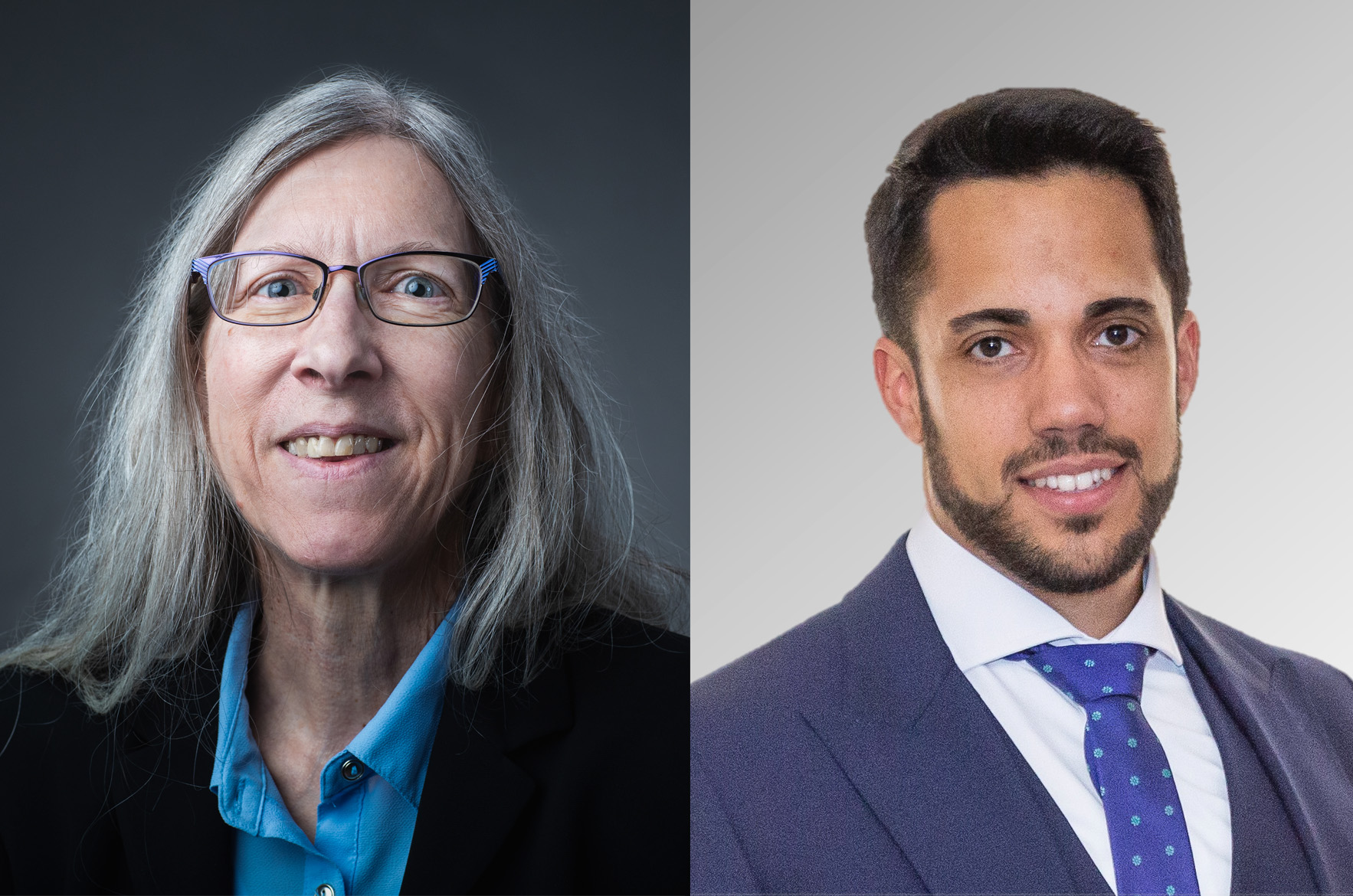
Los Alamos electrical and computer engineer Sandy Frost and computational physicist Eduardo Lozano are bringing decades of insights to the Predictive Science Academic Alliance Program, which supports university-led research and workforce development in technical areas vital for the U.S. Department of Energy’s National Nuclear Security Administration.
In their new roles, Frost and Lozano will represent Los Alamos on the Tri-Lab Sponsor Team. The three NNSA national labs — Los Alamos, Lawrence Livermore and Sandia — assist the Office of Advanced Simulation and Computing in managing the program.
How it works:
- The Predictive Science Academic Alliance Program centers at nine universities host research and learning experiences for students in computational science and engineering disciplines. The program covers aspects of nuclear weapons assessment, design, code development and manufacturing.
- The NNSA Office of Research, Development, Test, and Evaluation funds the university-based centers.
About the science: As the program puts new emphasis on AI-enabled, large-scale computer simulations, Frost will provide expertise in cybersecurity and formal methods. Lozano will provide expertise in detonation modeling and numerical methods.
- Predictive science combines computer simulations, data analysis and AI/machine learning to forecast outcomes.
- Multi-physics simulations make use of advanced methods and algorithms, physics models, and high-performance computing platforms for applications pertinent to current and future nuclear weapons.
- Formal methods find bugs early during design, using mathematical techniques to verify that the computer systems, software or hardware behave exactly as they should.
LA-UR-26-21283