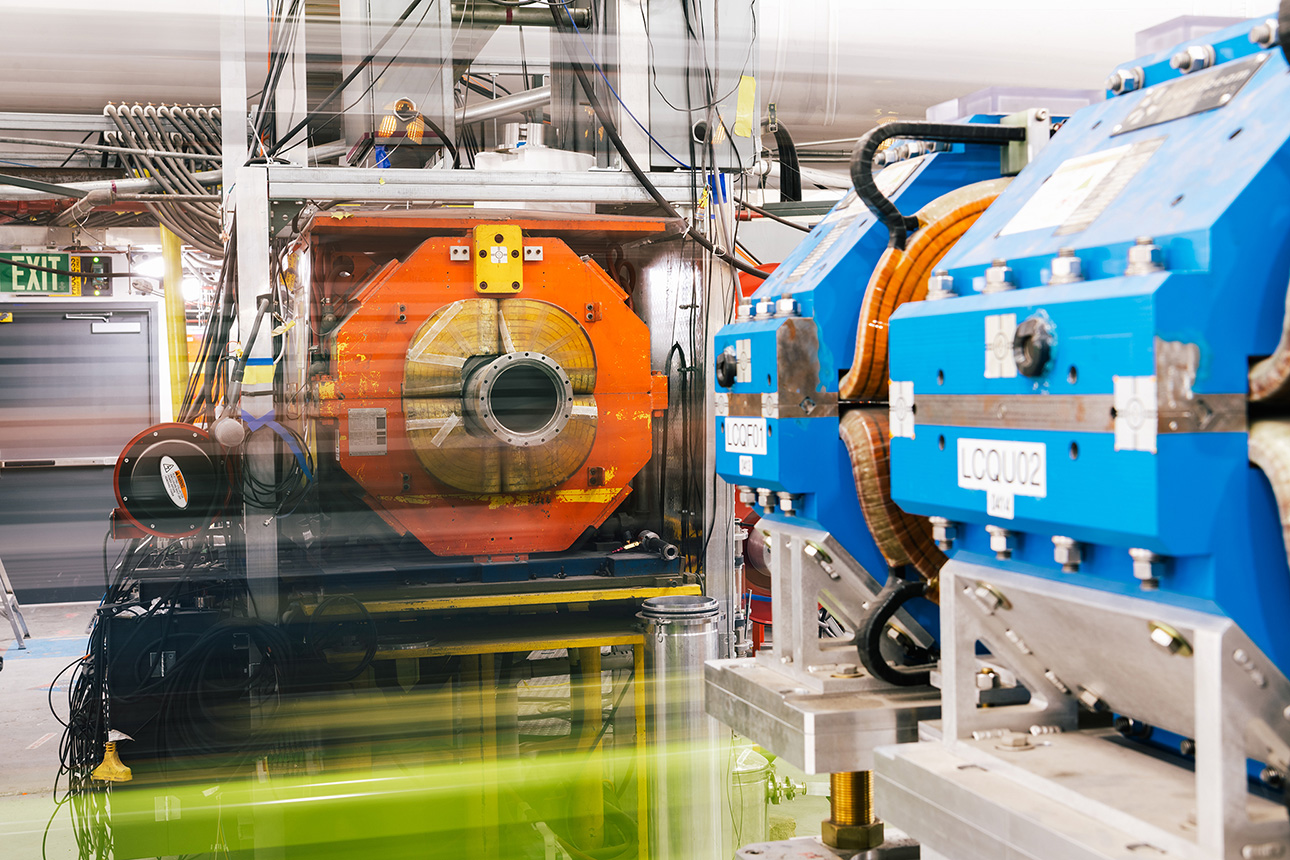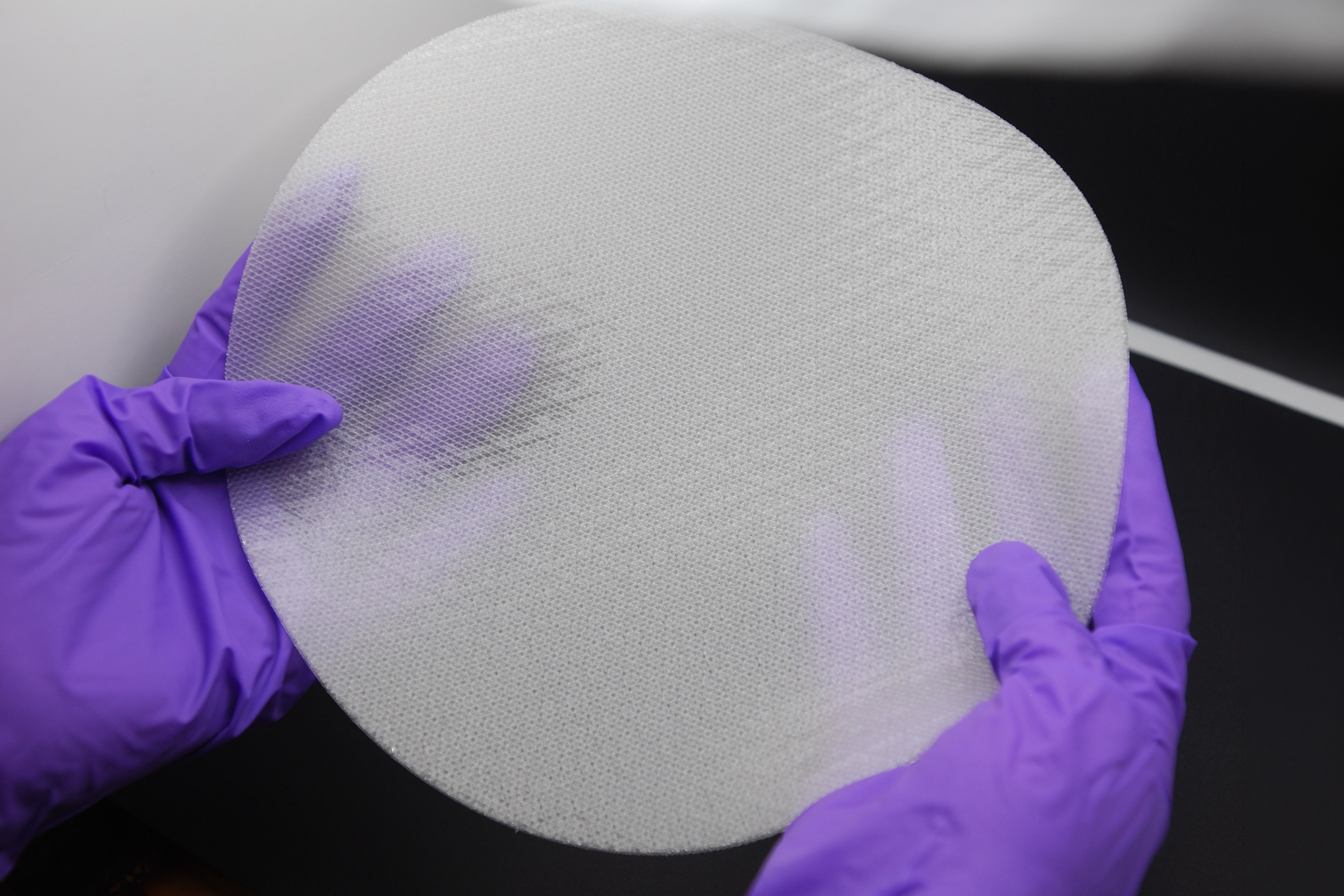
Materials scientists, engineers, modelers and machine learning experts are collaborating to accelerate the design of 3D-printed silicone foams at Los Alamos National Laboratory. Their work addresses an urgent need to manufacture highly repeatable, tunable foams for national security missions.
The team’s success in automating several aspects of print setup, execution and part testing has already led to time savings of 20 hours of active operator time per print plate and is expected to generate a tenfold increase in data available for machine learning approaches to optimize foam design.
Why this matters: This discovery science enables nuclear weapons modernization programs to harness the benefits of 3D-printed digital foams, which offer controlled functionality and predictable performance.
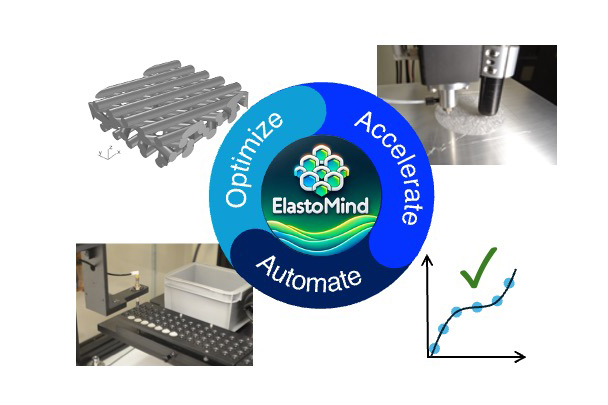
What they did: Advances in process automation, tooling, simulation and high-throughput testing are fueling machine learning approaches that close the loop on modernizing foam design.
- A multidisciplinary team launched a high-throughput testbed to accelerate the design and manufacturing of direct ink-write silicone foams.
- The team’s custom, high-precision tooling and print software advancements improved the volume and speed of printing, and a newly commissioned robotic load frame automates testing.
- The team built tandem random-forest classifiers on initial data sets that were used to construct an inverse model to identify print parameter combinations that meet performance requirements.
What’s next: With increased printing and testing throughput, and the addition of synthetic data, the team expects to expand training datasets by at least an order of magnitude. This growth will enable more advanced neural network models that improve the accuracy and robustness of inverse design predictions, allowing the system to recommend optimal print parameters with greater confidence.
Funding: This work was funded through the National Nuclear Security Administration Office of Engineering and Technology Maturation and weapon systems. Additional support came from the NNSA’s Advanced Simulation and Computing programs for Computational Systems and Software Environment and the Production Simulation Initiative, as well as Los Alamos’ Laboratory Directed Research and Development program.
LA-UR-26-23132