Los Alamos National Laboratory researchers led a comprehensive survey of “wastewater reforming,” showing how pairing energy-intensive water treatment with hydrocarbon reforming could recover heat and convert dissolved organics into valuable hydrogen. Their work, published in Renewable and Sustainable Energy Reviews, flagged the toughest real-world contaminants and identified high-volume wastewater targets for scale-up.
Why this matters: Especially in arid regions, industries could cut freshwater demand and offset treatment energy by using wastewater to produce hydrogen for fuel cells, turbines or chemical manufacturing.
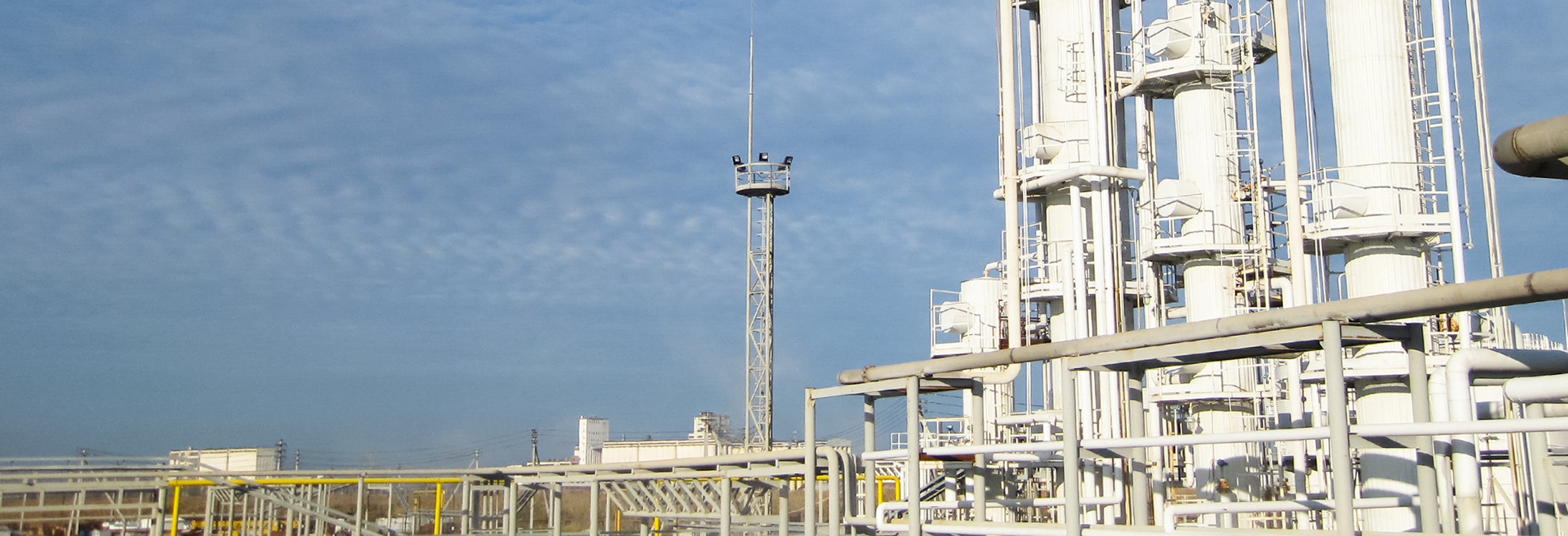
What they did: The team reviewed catalytic reforming methods for wastewater, summarizing how common contaminants affect catalyst performance and lifetime. They highlighted three understudied feedstocks — oilfield wastewater, geothermal water and mining/mineral-processing wastewater — for future research. These are the most impactful but chemically complex proving grounds for wastewater-to-hydrogen systems.
How it works: Treating wastewater often uses a lot of heat. Because hydrocarbon reforming uses both water and heat to produce a hydrogen-rich gas, pairing it with wastewater treatment could capture that otherwise wasted heat and use wastewater as part of the process. This method turns a costly step into a way to make valuable hydrogen while reducing overall industrial waste.
Funding: U.S. Department of Energy, University of Wyoming School of Energy Resources’ Hydrogen Energy Research Center
Content generated by AI with human oversight and review.
LA-UR-26-22419