If you need to track material interfaces across different phases during computer simulations, now there’s a mathematical solution. Scientists from Los Alamos National Laboratory’s Theoretical division have laid out their efficient, scalable method in a new paper published in the Journal of Computational Physics.
Read the paper
Why this matters: To solve complex physical problems, scientists may model systems that are too complex for experiments and theory. The traditional level set method (a mathematical function) is useful to track one interface between regions, but when things get more complex, its usefulness hits a wall.
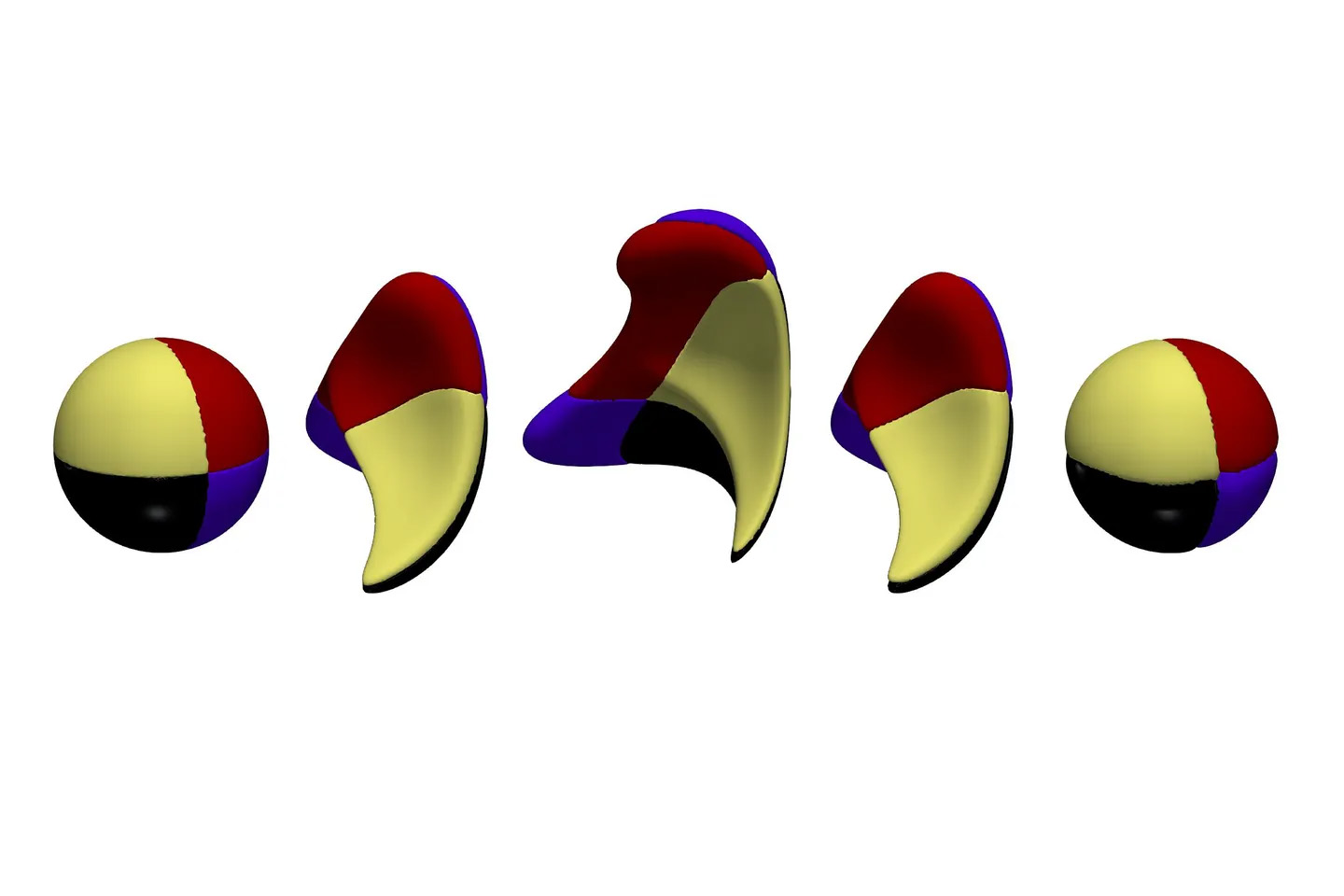
What they did: Los Alamos researchers developed an advanced level set method for many materials. It requires minimal computer memory.
- The simplified algorithm always remains stable and predictable.
- Examples in the paper show it achieves high accuracy when the geometry is smooth.
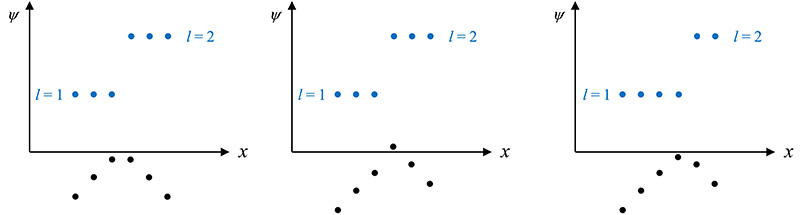
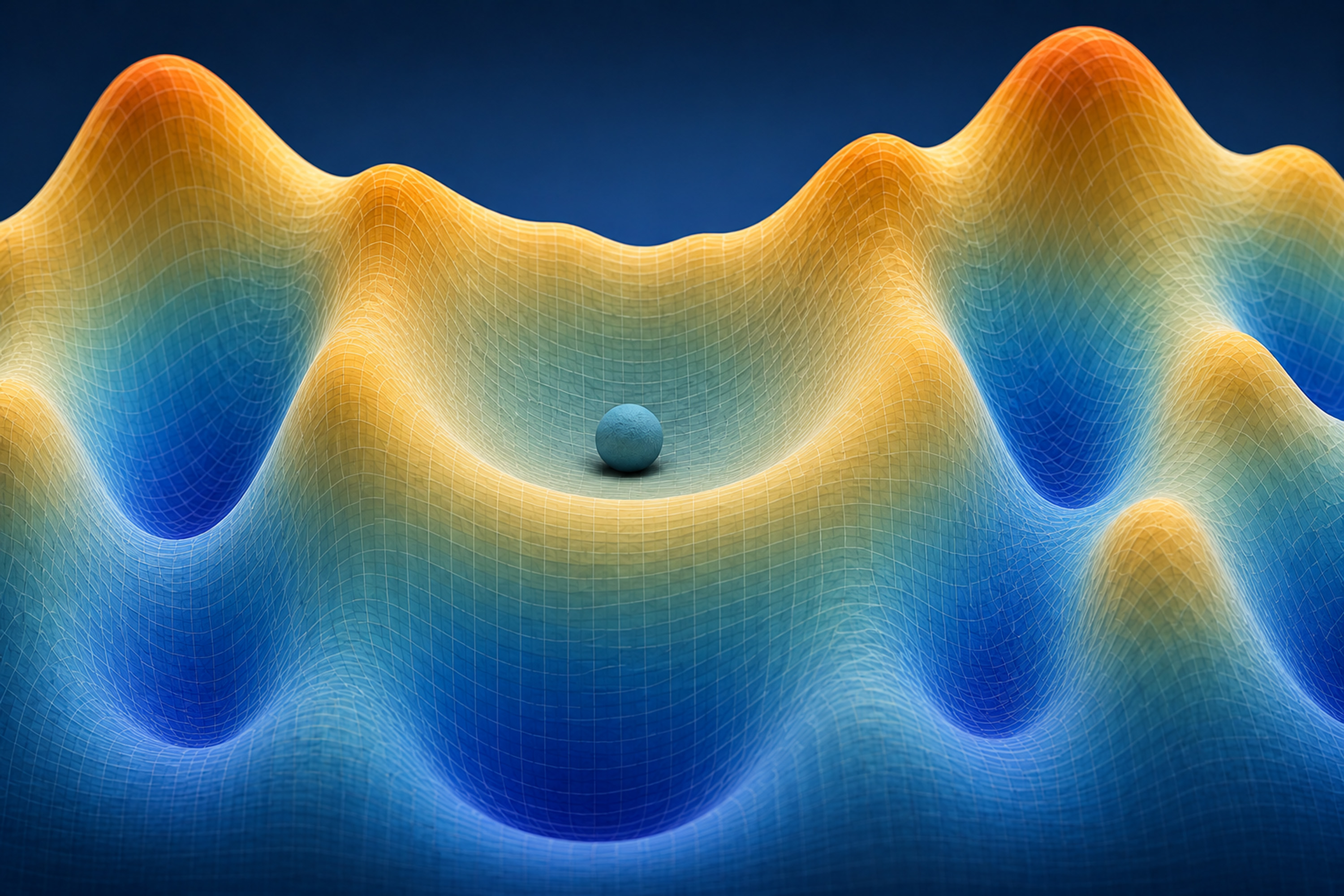
How it works: A material interface is a geometry; the level set is a scalar field defined everywhere. It's the background in which interfaces live, and if it's defined efficiently (like in this new method), then you can track how interfaces change much more cleanly and expeditiously.
Funding: The Laboratory Directed Research and Development program and the Engineering Technology Maturation program at Los Alamos National Laboratory, as well as the Advanced Simulation and Computing program run by the U.S. Department of Energy’s National Nuclear Security Administration.
LA-UR-26-22419