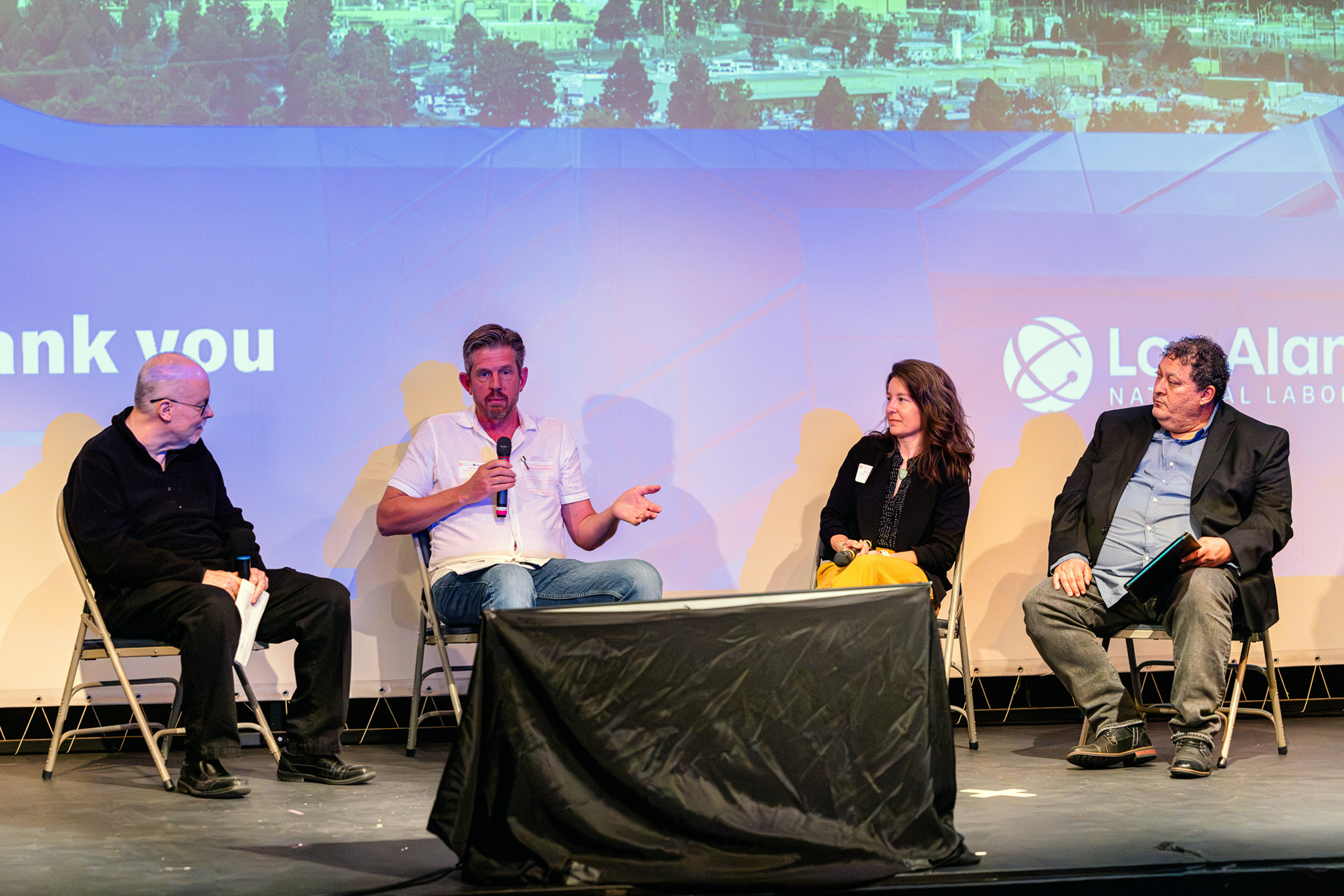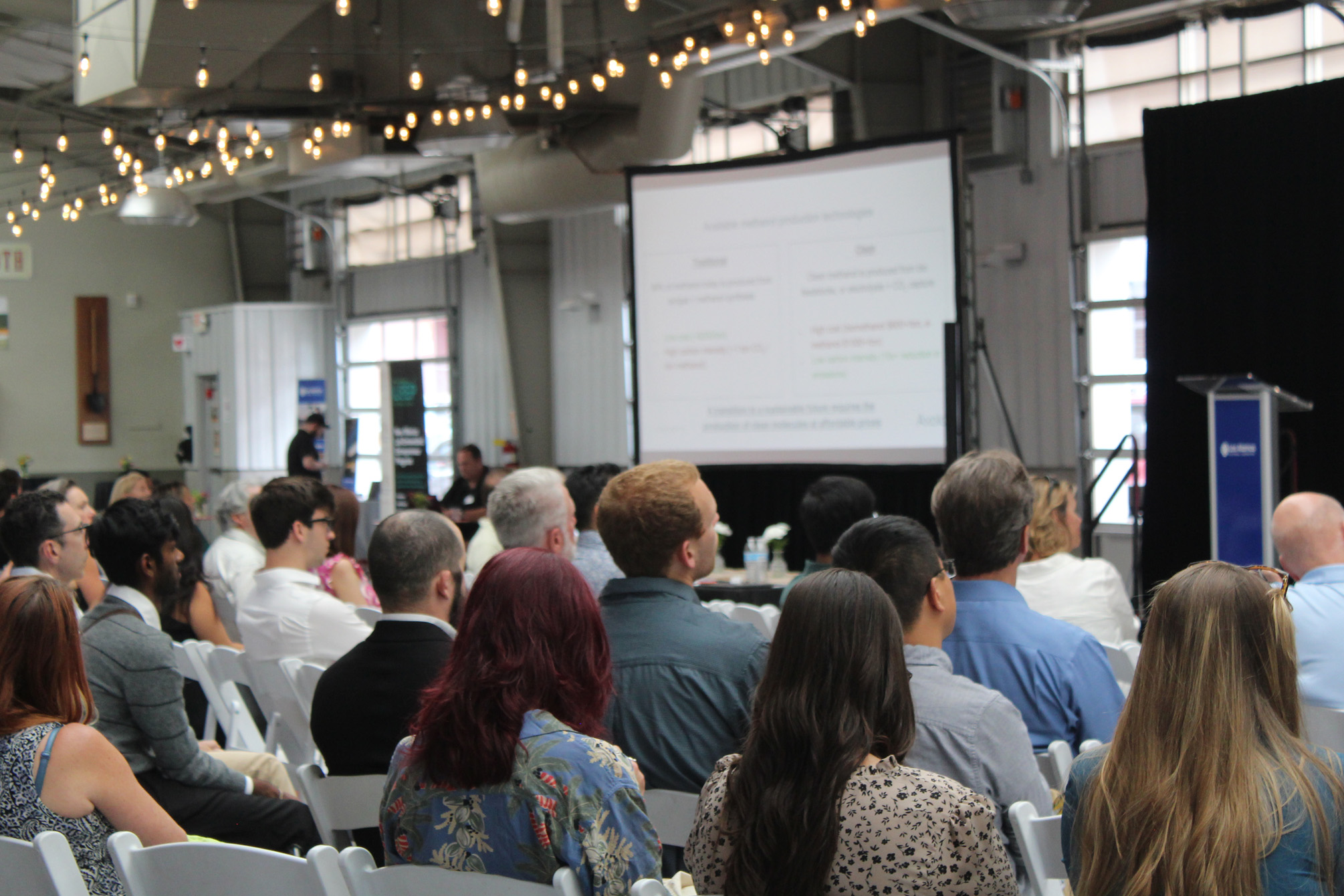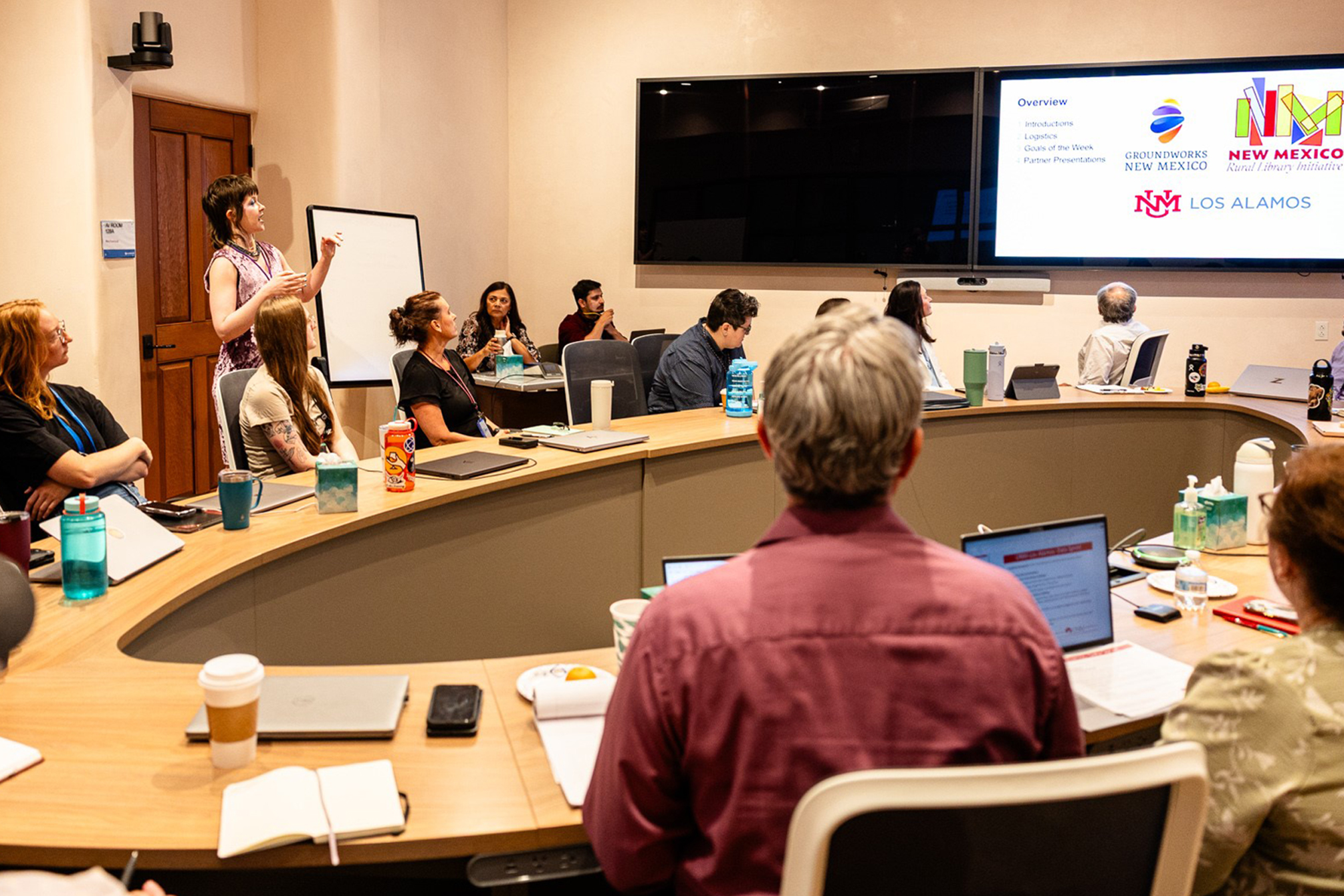
The annual Northern New Mexico Community Data Sprint wrapped recently, matching 17 Laboratory data scientist volunteers with three community organizations collectively serving thousands of Northern New Mexicans.
“In short, we take all your spreadsheets, all of your sign-in logs, all the kinds of things community organizations have to collect as part of their normal operations, and we turn that into insights that can inform your decision making,” said principal investigator Sara Mason, who leads data analytics and AI tool implementation for the Environment, Safety, Health, and Quality Program Office.
Using data analysis to make a difference
A collaborative effort between the Laboratory’s Community Partnerships Office, the Information Science and Technology Institute, and data scientists, the Community Data Sprint has served 15 nonprofit, government and higher education organizations since its inception in 2021. Data sprints like this one grew out of the hackathons popularized by the for-profit computing and software-development industry, in which a team of experts isolate themselves for days focusing on solving a single, tough problem to make major progress in a short period of time.
The Community Data Sprint uses a similar approach to empower Northern New Mexico organizations to better interpret their own data and discern ways to be more impactful.
“Organizations that come to us have a wide range of questions about how to improve their operations,” explained Patrick Duran, of the Laboratory’s Community Partnerships Office. “Usually, they are focused on generating more resources, getting more funding, getting more volunteers. They want to know how to provide better quality services, also. So, we bring together our data scientists for a weeklong deep dive focused on answering questions our partners are asking through their data. The goal is to generate actionable insights that help our partners better serve their beneficiaries and, ultimately, create greater impact in our communities.”
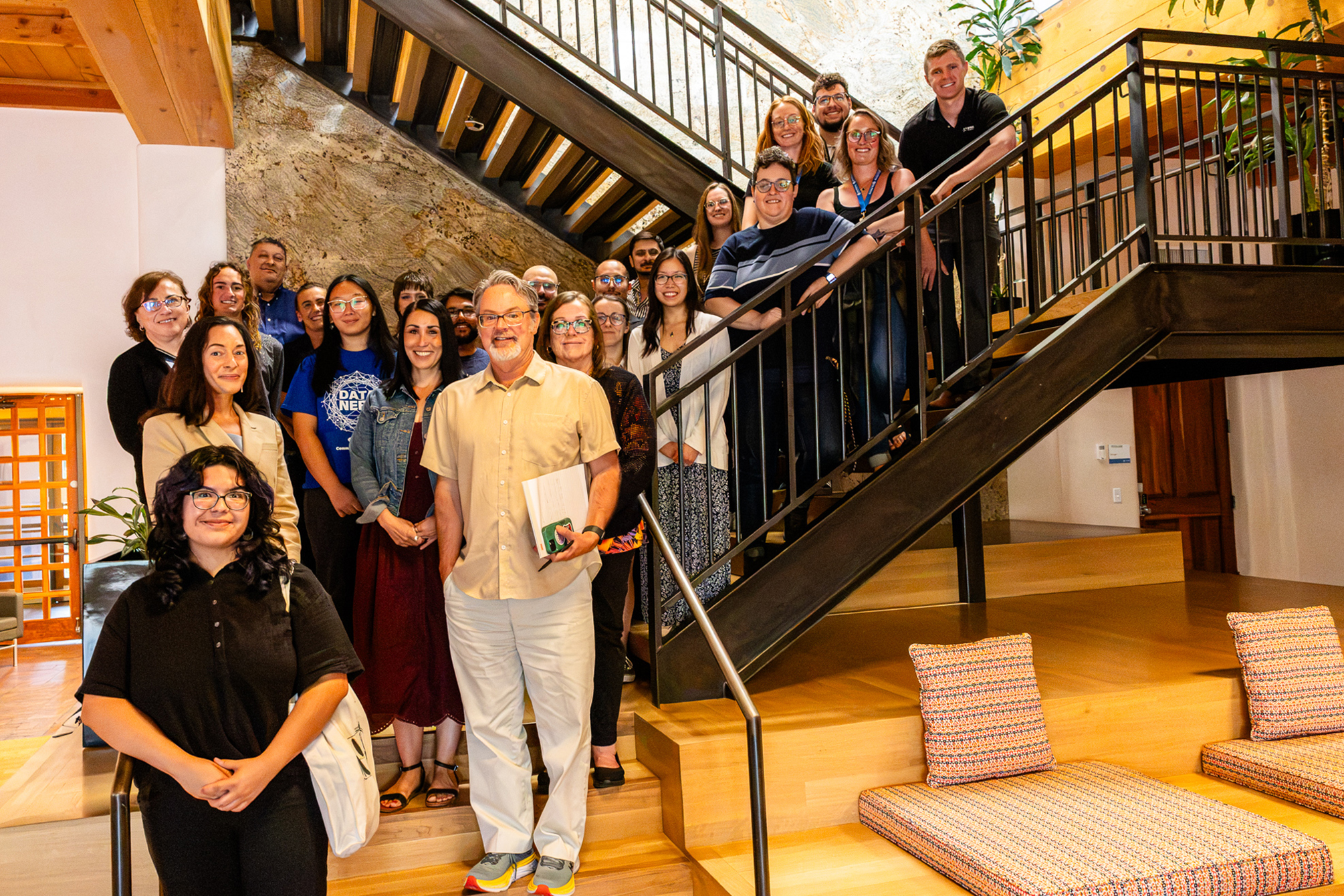
2026 Community Partners represent higher education, public libraries and nonprofit collaboration
This year from July 13-17, the Lab’s Data Sprint volunteers collaborated with Groundworks New Mexico, New Mexico Rural Library Initiative and University of New Mexico-Los Alamos.
About the partners:
Groundworks New Mexico: A nonprofit serving other New Mexico nonprofits by offering training, technical assistance and advocacy they might not otherwise be able to afford. Groundworks NM wanted to learn how to best allocate resources by using the data sprint to understand which of its services are the most impactful.
New Mexico Rural Library Initiative: Provides resources to more than 60 rural libraries across the state, including those in tribal and unincorporated areas without municipal funding. It wanted a better understanding of how rural libraries serve community needs to build a solid case for future strategic investments and allocation of scarce resources.
University of New Mexico-Los Alamos: A branch campus of the University of New Mexico, UNM-LA primarily offers certificates and two-year degrees, serving approximately 1,000 students. The university wanted to generate insights on ways to focus recruitment and retention efforts to increase the number of degree-seeking students.
The partners produced the data and the scientists brought the expertise, data science and AI tools, and other publicly available information to contextualize it.
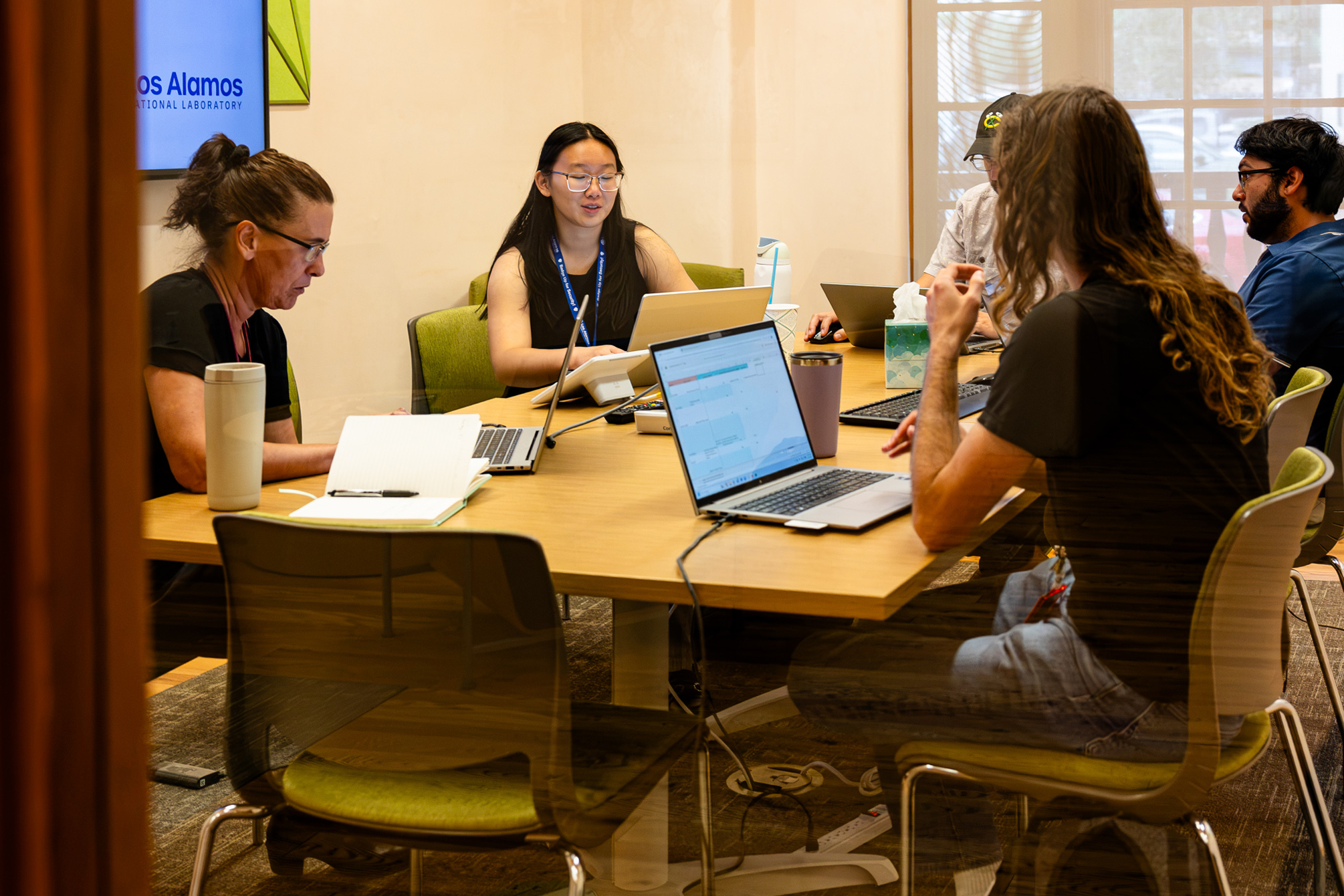
At the end of the week, the Data Sprint’s three teams presented their findings to the respective partner organizations. From there, the partners can strategize next steps for themselves and the people they serve.
“We’re proud to be helping people who are on the front lines solving problems in our community,” Mason said.
For example, the New Mexico Department of Workforce Solutions Office of Housing leveraged its 2025 Data Sprint results to advocate for and receive $8 million in funding from the Public Education Department for staffing and direct services to families experiencing homelessness.
It can take a while for partner organizations to turn the Data Sprint’s findings into action, but the New Mexico Rural Library Initiative is off to a great start.
“As a small, 2-year-old organization with two employees, the support and assistance provided by the Data Sprint program is huge,” said Aspen Coriz-Romero, fellow of New Mexico Rural Libraries Initiative. “We had spent more than six months gathering data about rural and tribal libraries, and the team we worked with were very helpful in making sense of it all. Their work yielded new insights that will be compelling in our conversations with New Mexico legislators and will help guide our organization's strategic plan and future priorities. We're incredibly grateful for the opportunity and to all the Laboratory staff who volunteer their time and knowledge to make it happen.”
“Every year, we have a completely different group of volunteers and partner organizations,” said the Data Sprint’s self-proclaimed chief data nerd, Emily Stark, who is also an applied data scientist working in nuclear nonproliferation. “But when we ask them why they want to do the Data Sprint, we get the same responses. It’s either ‘I’m new to the Laboratory and I want to understand my community better’ or ‘I’ve been here a long time, and I want to give back to my community.’”
The Northern New Mexico Community Data Sprint is made possible by an institutional grant from the Lab’s Information Science & Technology Institute, CPO and the Laboratory’s Community Involvement and Outreach Time, and is administered under the Community Technical Assistance program. The Data Sprint is coordinated by an interdisciplinary team, including data scientists Emily Stark and Sara Mason along with Patrick Duran, the CTA program manager, with contributions from organizations and others throughout the Laboratory. Learn more about CTA.
LA-UR-26-27287