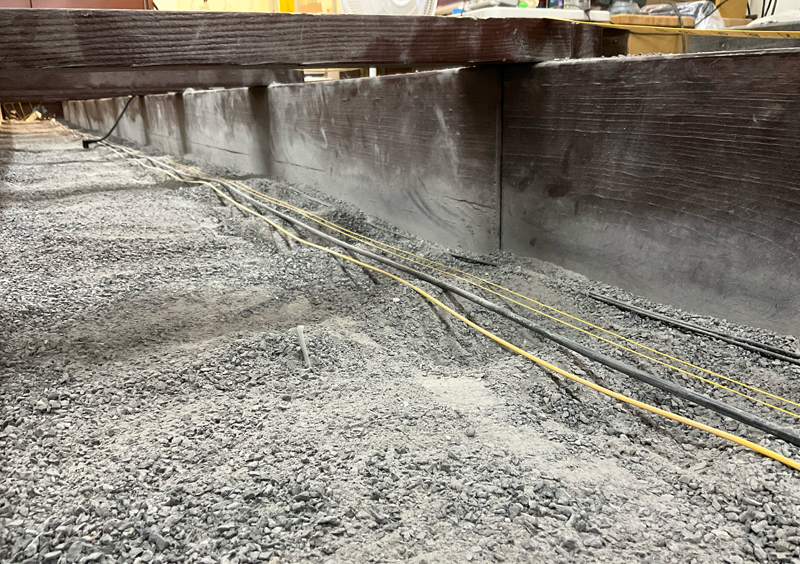
Two recent studies suggest that fiber-optic cables laid directly on the moon’s surface could potentially detect moonquakes, offering a simpler way to gather seismic data to support future human and robotic exploration.
“The moon has a lot of seismic activity, but deploying traditional seismic sensors like seismometers is extremely difficult and costly,” said Carly Donahue, a scientist at Los Alamos National Laboratory and corresponding author on the two papers. “Fiber-optic cables are lightweight, robust and inexpensive, so we wondered: Could they be used on the surface of the moon to detect seismic activity there?”
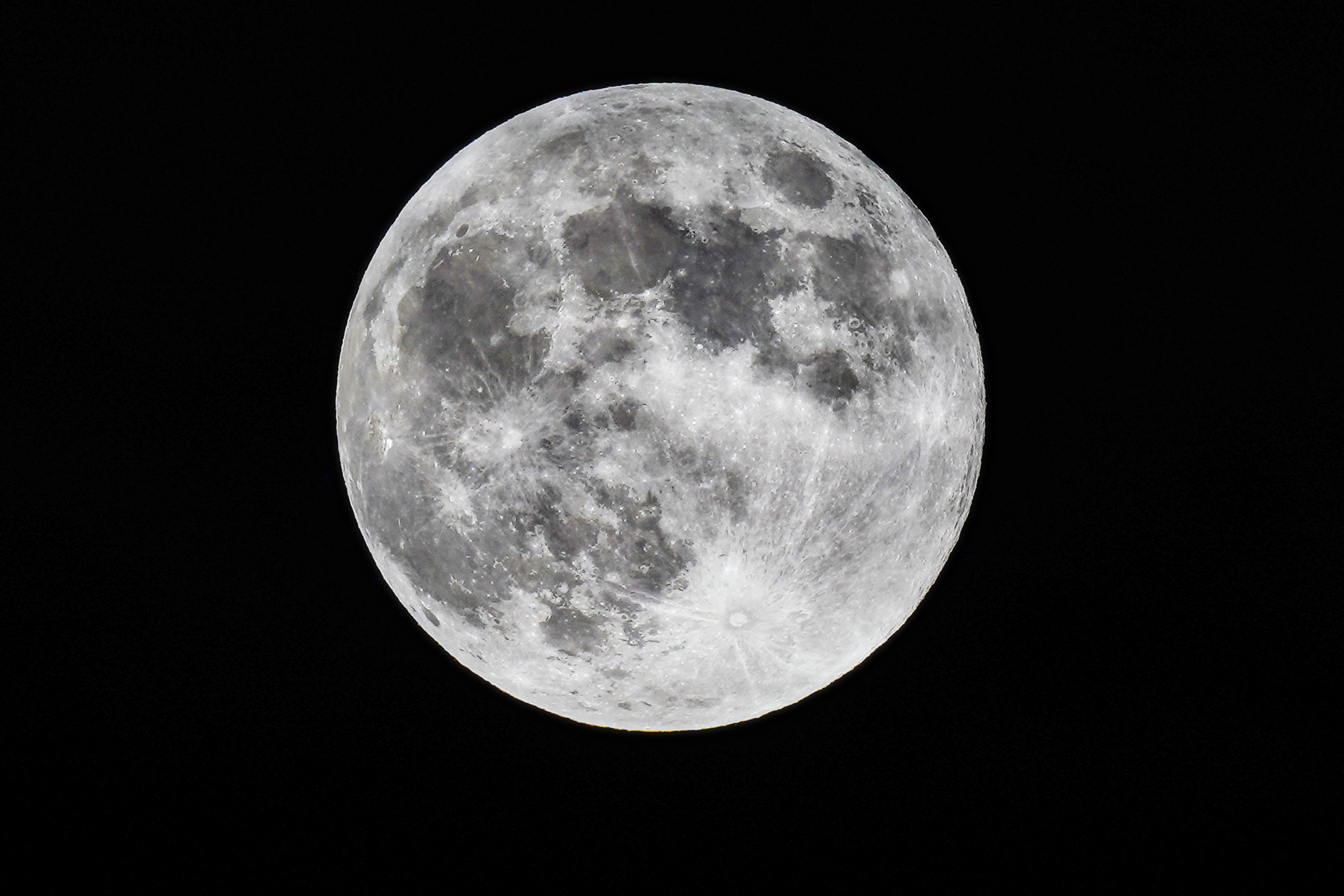
Moonquakes differ from earthquakes in important ways. Because the moon lacks tectonic plates, moonquakes are triggered by forces such as Earth’s gravitational pull, meteorite impacts and extreme temperature swings. Lunar surface temperatures can exceed 200 degrees Fahrenheit during the day and drop below minus-200 degrees at night, causing the surface to expand and contract and produce small, shallow shaking.
Moonquakes also last longer than earthquakes.
“The moon doesn’t dissipate energy well,” Donahue said. “It takes a very long time for the seismicity to die down.”
Seismic data can also answer persistent questions about the moon, such as the composition of its core and whether it has faults.
Measuring the shaking lunar surface
Seismometers were placed on the moon by five Apollo missions in the 1960s and ‘70s, returning data to Earth until 1977. While seismometers are the gold standard for detecting surface shaking, they’re limited.
“Seismometers sit in one location and are good at collecting data from that one site. But what about further away? We wanted to know if it would be possible to use a robot or rover to launch fiber-optic cables across many kilometers on the surface of the moon without burying them and still get useful data,” Donahue said. “If so, it would be a much cheaper, more efficient way to gather data without requiring an astronaut to travel long distances to install sensors or the extensive on-site support systems used during the Apollo missions.”
The first paper examined whether the burial depth of fiber optics would significantly affect the signal sensitivity on the moon. On Earth, fiber-optic cables must be buried because even low windspeeds shake the fibers, making it difficult to extract useful data from the “noise.” But the moon has only a thin exosphere, which could lead to improved signal quality for surface-draped optical fibers.
Researchers buried the fiber optics at multiple depths in an indoor lab at Los Alamos to minimize atmospheric noise. They then analyzed data from the sensors that recorded regional earthquakes, as well as simulated seismic waves. They learned that burial depth did not significantly impact the clarity of the signal.
“This told us that fiber optics would be useful to deploy on the moon, but we wanted to know how best to deploy them and to understand the physics behind it,” Donahue said.
Designing fiber optics for the moon
In the second paper, Donahue and her colleagues examined which design choices could make fiber-optic cables deployed on the moon’s surface work reliably. They found that stiffer, thicker cables and continuous ground contact improved signal strength.
She noted, however, that “greater thickness adds more weight, which is always a consideration in spaceflight. “This information allows us to reasonably assess the trade-offs.”
She added that fiber-optic cables could also help scientists better understand other hazards associated with operating on the moon. When a rocket lands, the lack of an atmosphere or launchpads allows particles to be blasted from the surface at speeds of about 2 kilometers per second.
“If there are people or structures on the moon, it could essentially sandblast them and cause damage at a great distance,” Donahue said. “But we currently have no way to measure how far those particles travel.”
Fiber-optic cables deployed far from a landing site could help fill that gap by providing data on how widely debris spreads. Donahue and her Los Alamos colleagues are now exploring how the technology could be used to assess those risks.
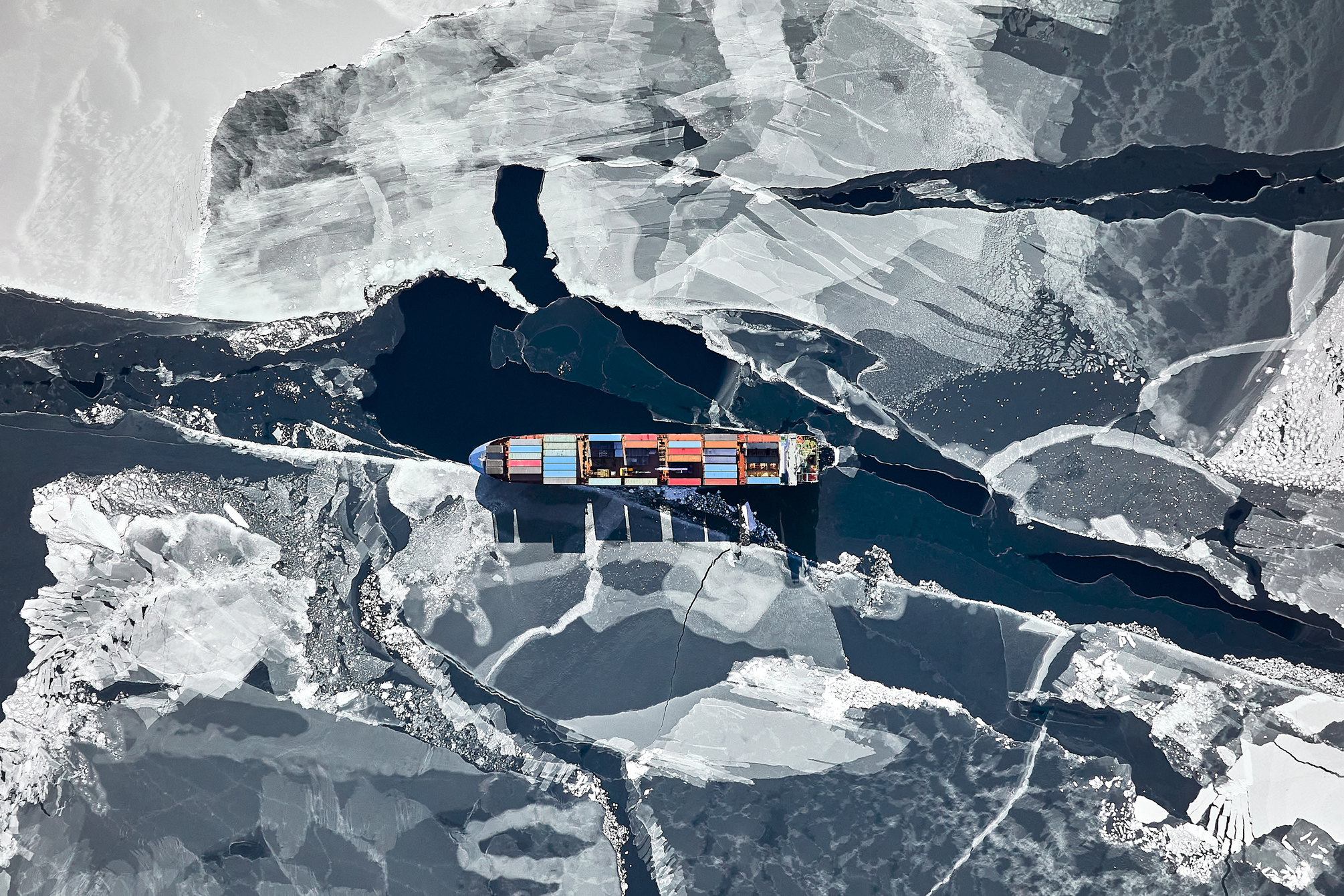
Better understanding the deployment of fiber-optic cables also has implications on Earth. Although fiber optics have been used for decades in telecommunications and oil and gas drilling, the cables have traditionally been buried. Only in the past decade have scientists begun studying how surface-deployed fiber can be used to monitor phenomena such as groundwater movement, underwater seismic activity, vessel traffic, animal migrations and melting Arctic Ocean ice — a change that is opening new shipping routes and raises national security concerns.
“If fiber optics can effectively deliver key data without having to be buried, then we don’t need the infrastructure to deploy it,” Donahue said. “That will save a significant amount of money.”
Papers: “Earthquake detection in a simulated lunar regolith using distributed acoustic sensing.” Icarus. DOI: doi.org/10.1016/j.icarus.2025.116848
“Controlled Source DAS Coupling Tests: Implications for Unburied Deployment on the Moon and Earth.” Earth and Space Science. DOI: 10.1029/2025EA004817
Funding: Los Alamos National Laboratory’s Center for Space and Earth Science and the Laboratory Directed Research and Development fund
LA-UR-26-20534