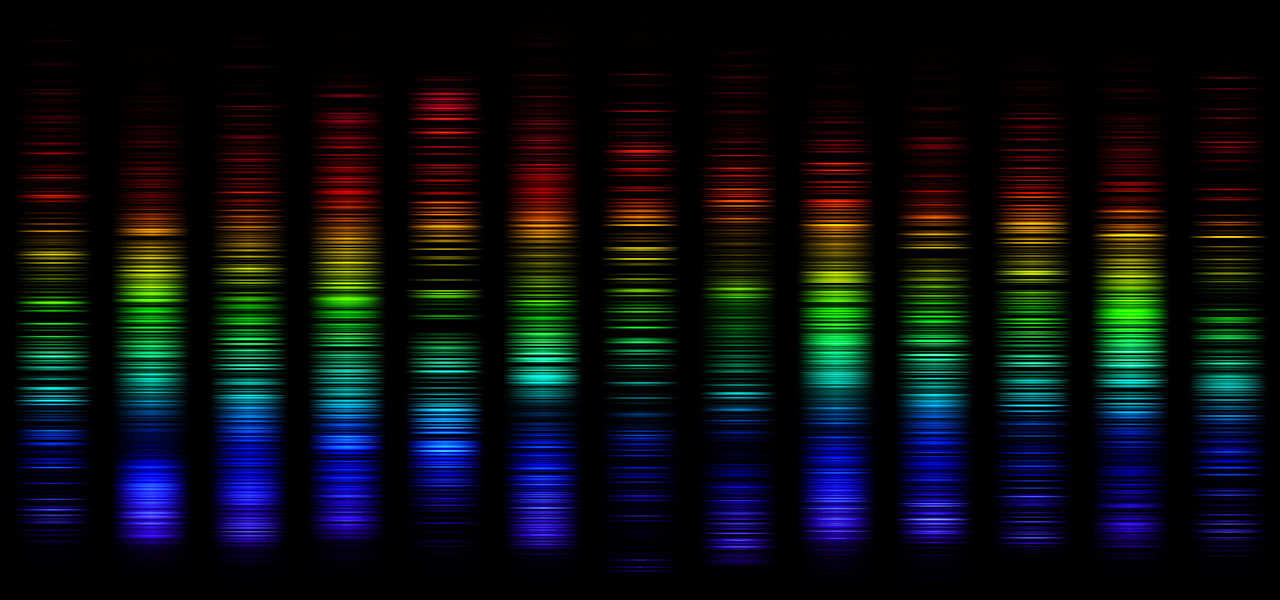
The mineral zircon, coming from the Persian word zargun (meaning "gold-like"), has been around for ages—even getting shout-outs in the Bible under various aliases, like hyacinth, jacinth, and ligure. But it wasn't until 1789 that a German scientist, Martin Klaproth, realized the rock contained a brand-new element. He called it zirconia, and the race to isolate the metal was on!
A few folks tried and failed, including Sir Humphry Davy in 1808, but it wasn't until 1824 that Jöns Berzelius cracked the code. Using a mix of potassium and zirconium fluoride, he finally isolated zirconium metal. This new metal was in an impure form, though.
Fast forward to 1925, when the crystal bar process was invented by Anton Eduard van Arkel and Jan Hendrik de Boer, enabling commercial refinement of the metal. This method stuck around until 1945 when William Kroll came up with a better, cheaper solution: the Kroll process. Then, zirconium really “took off”—right into space! It was the perfect element to use in space shuttles and other high-stress applications.