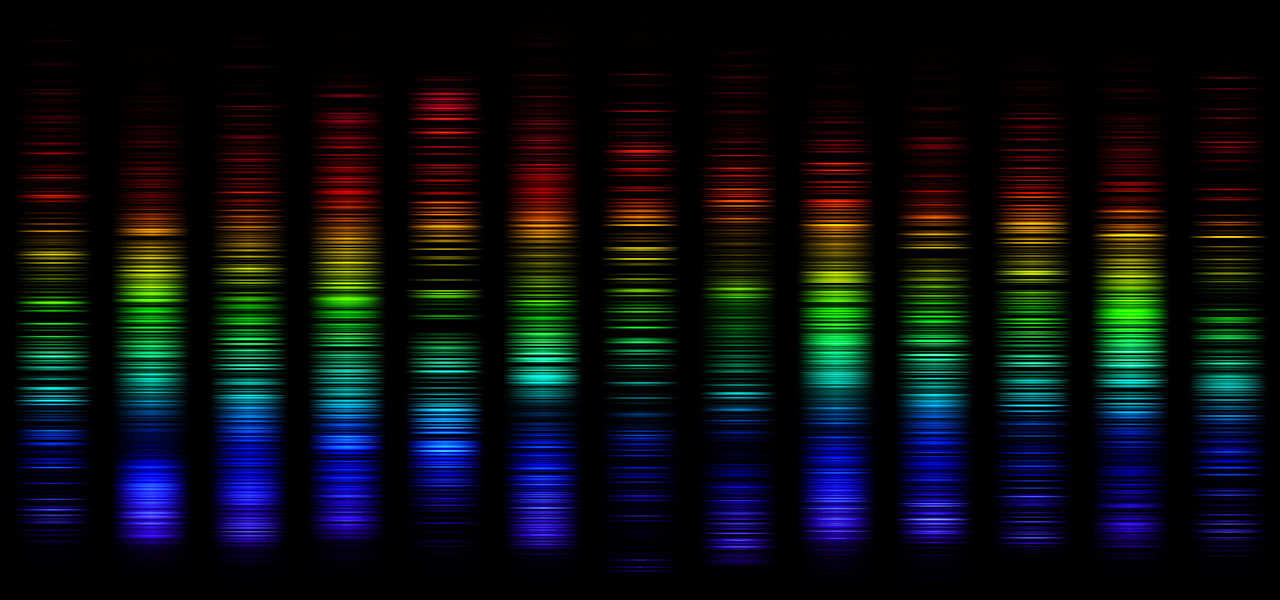
When Russian chemist Dmitri Mendeleev rolled out his groundbreaking periodic table of the elements in 1869, element 25—manganese—was the only element with two gaps below it, leaving room for elements that Mendeleev predicted would exist. One of those elements was eventually found to be element 43, technetium. The other was element 75, which would come to be known as rhenium.
In 1908, Japanese chemist Masataka Ogawa claimed to have found element 43, which he called nipponium, after one of the Japanese words for Japan. But no one was able to replicate his work and his claim was rejected. Later, another Japanese chemist, Kenjiro Kimura, figured out why Ogawa’s work had never been replicated; Ogawa had actually discovered element 75! Because the elements are in the same group, they are a lot alike—so Ogawa had good reason to be confused!
German chemists Walter Noddack, Ida Tacke, and Otto Berg rediscovered the element in 1925, extracting it from platinum ore and columbite. Rhenium was exceedingly hard to isolate; the team had to process 660 kilograms of the mineral molybdenite to get 1 gram of rhenium! Rhenium is one of the rarest elements there is!
The Noddack team named the new element “rhenium” after the Latin word Rhenus, for the Rhine River—an important waterway in Germany.