DOE/LANL Jurisdiction Fire Danger Rating:
  1. LANL Home
  2. Science & Engineering
  3. Periodic Table

Radium

88
226
Ra
Radium

Element Stats

Select a temperature unit to update boiling and melting point values.

Physical

Physical Properties
PropertyValuePropertyValue
Appearancesilvery white metallic
ClassificationAlkaline Earth MetalsDensity5.5 g/cm³ at STP
Boiling Point2010 KMelting Point973 K

Atomic

Atomic Properties
PropertyValuePropertyValue
Atomic Number88Atomic Mass226
Van Der Waals Radius283Atomic Radius (empirical)215

Electronic & Chemical

Electronic and Chemical Properties
PropertyValuePropertyValue
Electronegativity0.9Electron Affinity9.6485 kJ/mol
Electron Configuration1s2 2s2 2p6 3s2 3p6 4s2 3d10 4p6 5s2 4d10 5p6 6s2 4f14 5d10 6p6 7s2
Oxidation States2
Ionization Energies

Showing all 2 ionization energies.

  1. 509.3 kJ/mol
  2. 979 kJ/mol

History

Radium was discovered by physicist Marie Curie and her husband Pierre Curie. They found it in a large sample of uraninite, a radioactive mineral ore rich in uranium. This was incredibly difficult work because there is so little radium in uranite—only about one gram of radium in seven tons of uranite. After removing all the uranium and then a few other elements, the remaining material was still radioactive! This made the Curies curious and they suspected that they had found something new.

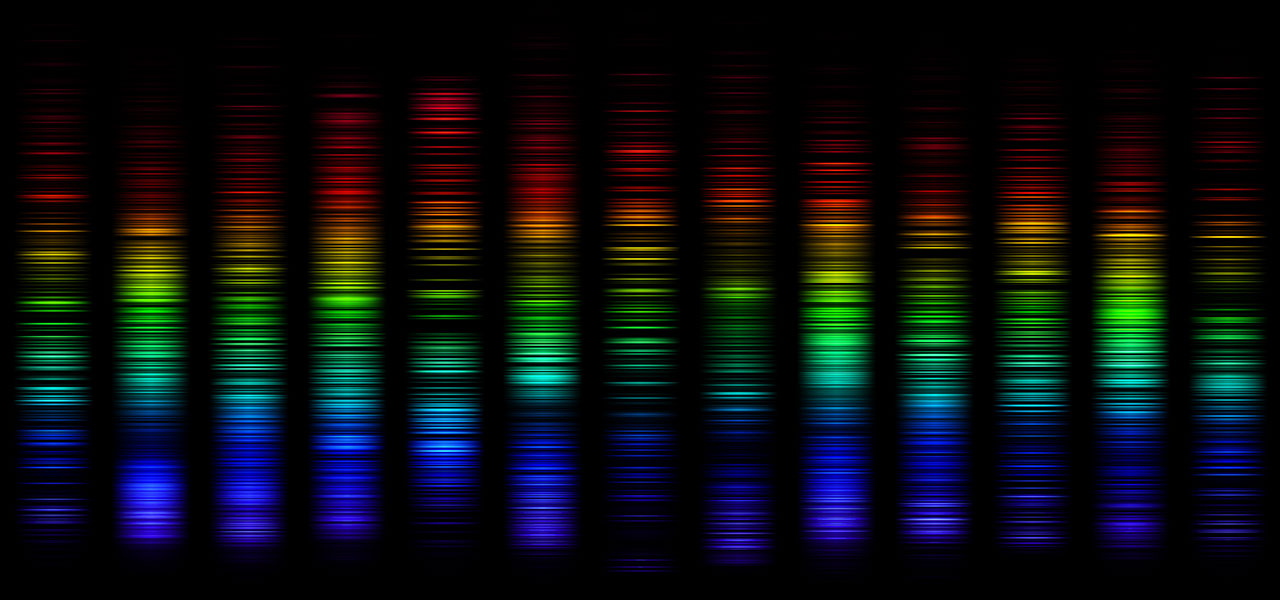
The Curies tried flame spectroscopy to identify what they had found, measuring the exact colors present in a flame when they burned the material. Each element has a unique color signature, but the specific deep-red shades that they saw when they tested their mystery material didn’t match any known element.

In 1898, the Curies reported their discovery of a compound containing a new element and named it radium for the intense radioactive rays it emits. Their samples produced a faint blue glow that could be seen in the dark because of the radioactivity affecting the surrounding air!

In 1911, Marie Curie and French chemist André-Louis Debierne isolated pure radium metal, using electrolysis (using an electrical current to drive the chemical separation), by splitting apart radium chloride. The process also required mixing the radium with mercury and then boiling off the mercury.

Properties

The pure metal is silvery-white, shiny, and soft when freshly prepared, but it blackens upon exposure to air. With other metals, such tarnishing is usually caused by the oxygen in air, causing the metal to oxidize. But for radium, it’s the nitrogen in air that forms radium nitride on the metal’s surface.

All isotopes of radium are radioactive; none are stable. As a result, radium is quite dangerous to human beings and can cause cancer and other problems if touched, eaten, injected, or inhaled.

Uses

Radium has few uses. As of 2015, the total worldwide supply of purified radium was only a few kilograms. What little radium exists is primarily used in advanced physics research and as a cancer treatment. Cancers that get into the bone can be treated with radium-223, which emits alpha radiation. (The cancer-killing “bullets” of alpha radiation are helium nuclei: tiny bundles containing two protons and two neutrons. These helium nuclei get shot out of the radium nucleus.) Because radium is in the same group (periodic table column) as calcium, the two are chemically similar. Therefore, radium can be made to go where calcium goes—into the bones.

Sources

Radium is rare. It makes up only about one trillionth of the earth’s crust. But it is found in uranium deposits. Originally, radium was obtained from uranite ore from Bohemia (now the Czech Republic). This was Marie and Peirre Curie’s source. But since 2011, radium compounds are taken from spent fuel coming out of nuclear reactors. Now, chemists react radium oxide with aluminum at high temperatures to isolate the radium metal.

Fun Facts

Give it your best guess

There’s no stable isotope of radium to accurately weigh, so the atomic weight of radium can only be approximated. It is, therefore, simply 226, the approximate atomic weight of the longest-lived isotope.

Standards and measurements

The “curie” is a unit of radioactivity named for radium’s discoverers Marie and Pierre Curie. It was originally defined as the rate of radiation from one gram of radium-226. But now its defined more precisely in terms of radioactive decays per second.

The radium girls

In the early 1900s, young female factory workers hand-painted watch dials with glow-in-the-dark paint. Like a lot of artists do, the women would lick the tip of their paintbrush to get a finer point. They didn’t realize they were ingesting radium in the process. The radium-based paint caused the women to glow, earning them the nickname “ghost girls.” It also caused them to get incredibly sick with anemia, bone fractures, and jaw necrosis. The horrific impacts to their health sparked a major labor rights movement and led to better workplace safety conditions.

Los Alamos National Laboratory

P.O. Box 1663

Los Alamos, NM 87545

(505) 667-5061

At The Lab

  • Business Opportunities
  • Jobs
  • Organizations
  • Research Library
  • User Facilities

Information

  • Emergency
  • Ombuds
  • Reading Room
  • Resources
  • Science Museum

For Employees

  • AskIT
  • LANLInside
  • MyMail
  • Training
DOE White Seal
  • Terms of Use/Privacy

Managed by Triad National Security, LLC for the U.S. Dept. of Energy’s NNSA

Copyright 2026 Triad National Security, LLC. All Rights Reserved.

Learn about the Department of Energy’s Vulnerability Disclosure Program