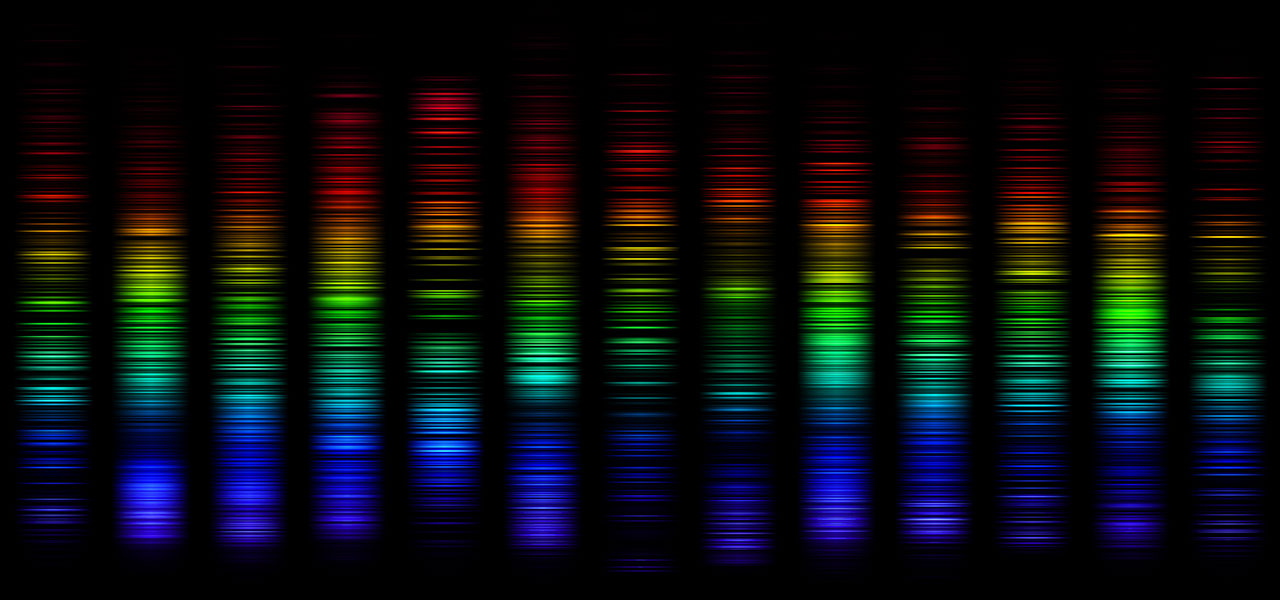
Czech chemist Bohuslav Brauner predicted the existence of element 61 in 1902, speculating that there must be an unknown element between neodymium and samarium. In the ensuing four decades, researchers around the world tried to find this element without success.
But a massive breakthrough happened across the world in 1926! That year, teams in Italy and at the University of Illinois claimed to have found element 61. That same year, British chemist Charles James, who was one of the three researchers to have discovered lutetium, also claimed to have discovered the element.
Today, we know that James couldn’t have found element 61; although the element exists in nature, its short half-life means that it is practically impossible to find. Conclusive evidence of element 61’s discovery came only in 1945, when Jacob A. Marinsky, Lawrence E. Glendenin, and Charles D. Coryell at Oak Ridge National Laboratory (then known as Clinton Laboratories) succeeded in separating element 61 from the byproducts of irradiating uranium in a reactor. The researchers named the element promethium, after Prometheus, who in Greek mythology stole fire from the gods!