Praseodymium is one of those elements that just can’t stand to be alone. That’s why you’ll only ever find praseodymium in nature alongside other rare earth metals, such as cerium, lanthanum, or praseodymium’s sister element, neodymium. In fact, praseodymium and neodymium are so similar that for decades, scientists couldn’t tell them apart!
In 1841, Swedish chemist Carl Mosander found what he thought to be two new elements in a sample of the mineral cerite. He called these two supposed elements “lanthanum” and “didymium.” However, in 1885, Austrian chemist Carl Auer von Welsbach succeeded in splitting didymium up into two elements.
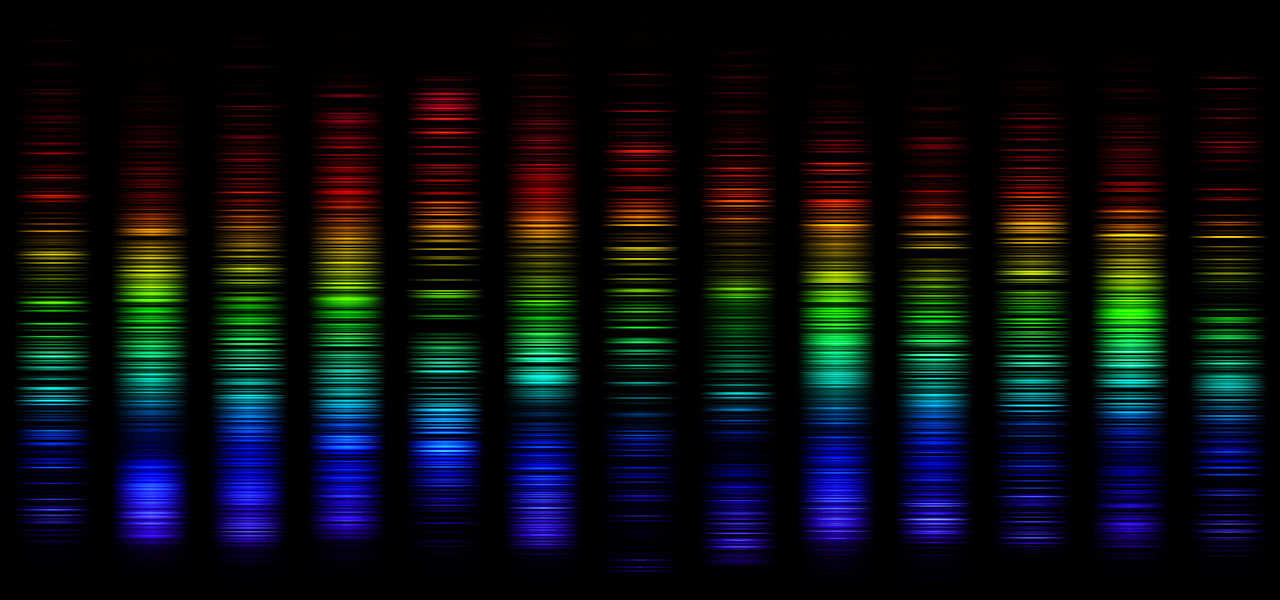
Von Welsbach was a student of German chemist Robert Bunsen, who, in addition to inventing the Bunsen burner, helped develop the technique of spectroscopy (which involves burning a substance and examining the light emitted in the process to determine what the substance was made of). Using spectroscopy, von Welsbach was able to prove that the two elements he’d separated out from didymium were indeed distinct. He named the elements neodidymium (meaning “new didymium”) and praseodidymium (meaning “green didymium,” after the element’s oxide’s color). The name “praseodidymium” was then modified to “praseodymium,” which is what we call the element today.