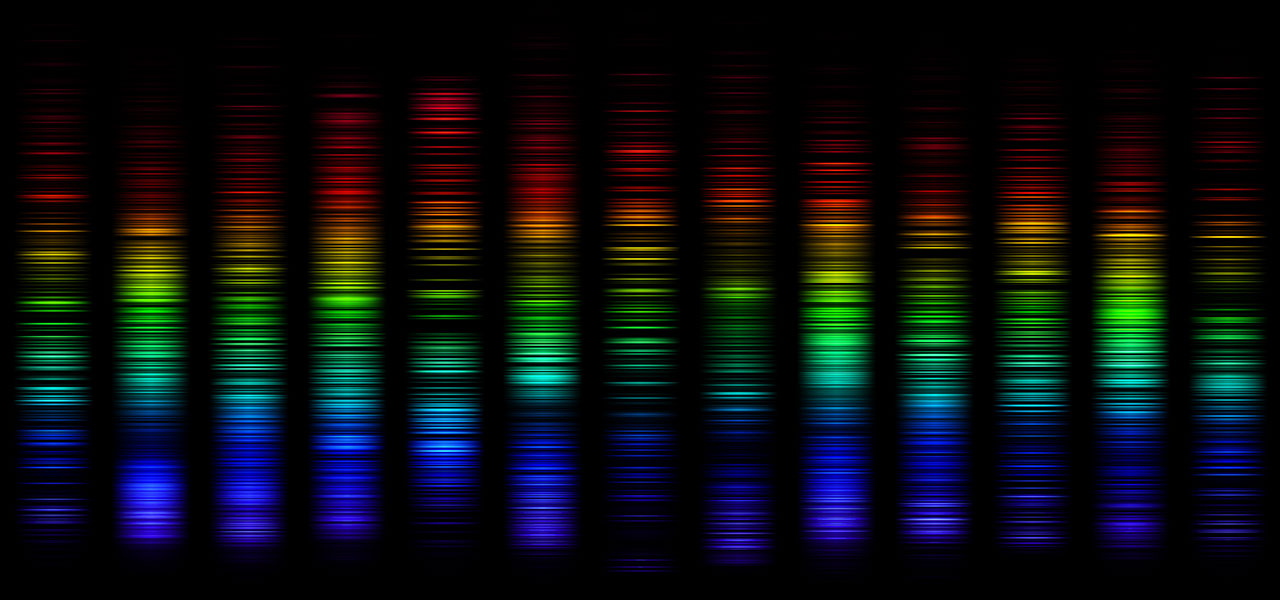
Nitrogen makes up a whopping 78% of the air we breathe, but for a long time, no one knew it existed! Back in the 1760s and 70s, chemists such as Carl Wilhelm Scheele, Henry Cavendish, and Joseph Priestley were trying to figure out what air was made of. They knew about oxygen, but there was still something else in the air that they couldn’t define. When they removed oxygen from the air, they found that the remaining gas couldn’t keep candles burning or support life. Mice placed in this mysterious air didn’t survive, so they called it names like "noxious air" and "burnt air." These properties provided clues, but no one realized they had discovered nitrogen.
The real breakthrough came in 1772 when Daniel Rutherford, a Scottish physician, isolated nitrogen from the air and suggested it might be a new element. While Rutherford didn’t fully understand what he had found, his work laid the groundwork for future discoveries. A few years later, in 1785, Henry Cavendish correctly determined that air was made of four parts nitrogen and one part oxygen, but he still didn’t use the word “nitrogen” to describe this mysterious gas.
The name "nitrogen" came about in 1790, thanks to French chemist Jean-Antoine Chaptal. He named the element "nitrogène," which means "nitre-forming." Nitre, or potassium nitrate (also called saltpeter), was important because it was used to make nitric acid and gunpowder. The word has roots in both Greek and Latin, and Chaptal's name stuck in English as well, entering the language as "nitrogen" in 1794. Another early name for nitrogen was "azote," meaning “no life” in Greek, because it couldn’t support breathing or combustion. This name is still used in many languages today.
Before the element itself was understood, nitrogen compounds had been used for centuries. Ancient civilizations knew about ammonium chloride, and during the Middle Ages, alchemists worked with nitric acid and nitrate salts. They even created a powerful acid called aqua regia, a mixture of nitric and hydrochloric acids, famous for being able to dissolve gold, the "king of metals." Nitrogen compounds also became essential for making gunpowder and fertilizers, giving nitrogen a starring role in agriculture and warfare.
By the early 20th century, scientists developed methods to produce nitrogen compounds on a large scale. The Haber-Bosch process, invented in the early 1900s, allowed industries to fix nitrogen (or capture it) from the air, creating synthetic fertilizers. This was a game-changer for farming, and today, about half of the world’s food production depends on these fertilizers. At the same time, nitrogen compounds became important in manufacturing explosives, playing a huge role in both World Wars. From ancient alchemy to modern industry, nitrogen has played a vital role in warfare, agriculture, and scientific advancements.