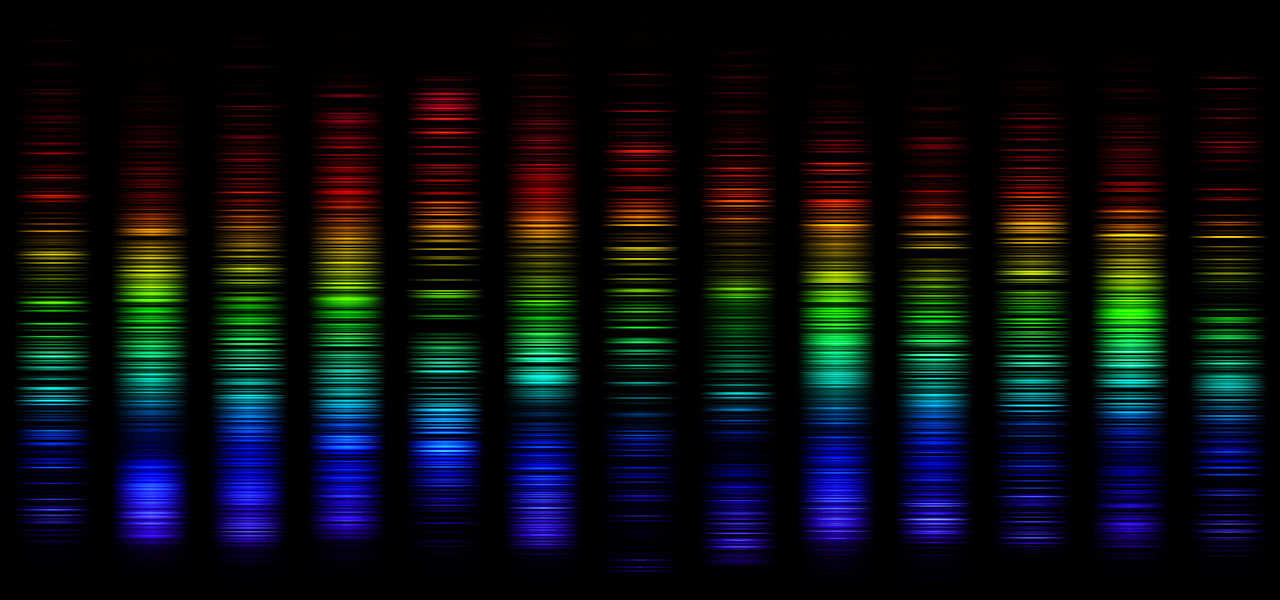
Lutetium was the last of the lanthanide elements to be identified, but the time was ripe for its discovery. Most elements on the periodic table were discovered by one researcher at a time, and some elements were discovered by two researchers simultaneously. But lutetium has the distinction of having been discovered by three different scientists at once!
At the end of the 18th century, researchers began discovering the 15 elements that are now referred to as the lanthanide elements. This process was complicated by the fact that the lanthanide elements all have similar properties, and by the fact that at the time, nobody was sure how many lanthanides there were.
In 1794, yttrium was discovered, but the sample of yttrium oxide that researchers isolated turned out not to be pure yttrium. Over the next century, researchers would find that the supposed yttrium contained the elements ytterbium, erbium, terbium, holmium, thulium, and lutetium as well.
In 1907, French chemist Georges Urbain found lutetium in a sample of ytterbium oxide. He named the element lutecium after the Latin name for Paris, Lutetia (the element’s name was changed to lutetium in 1949). However, at the same time that Urbain discovered lutetium, so too did Austrian chemist Carl Auer von Welsbach and, separately, British chemist Charles James. A conflict ensued over who the element’s true discoverer was. In 1909, the International Commission on Atomic Weights, which was then the authority on naming the elements, gave credit for the discovery to Urbain.