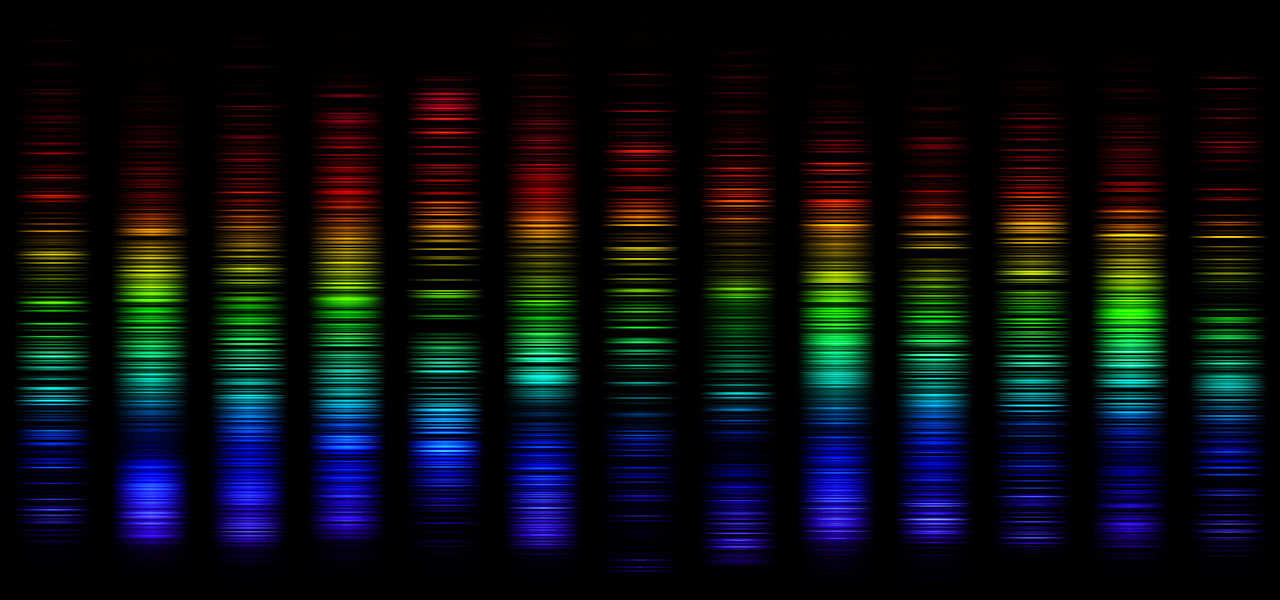
Smithson Tennant, an English chemist, discovered iridium in 1803 in the residue of crude platinum, after dissolving it in aqua regia, a mixture of nitric and hydrochloric acids. Because of the bright colors of iridium’s salts, Tennant named the element after the Greek goddess Iris—who was known for leaving behind a rainbow.
Much like its supernatural namesake, iridium does not appear naturally on the Earth’s surface. Iridium has extraterrestrial origins and only a very thin layer of iridium exists in the Earth's crust. The iridium on earth was likely caused by a large meteor or asteroid hitting the Earth, because meteors and asteroids contain such high levels of iridium.