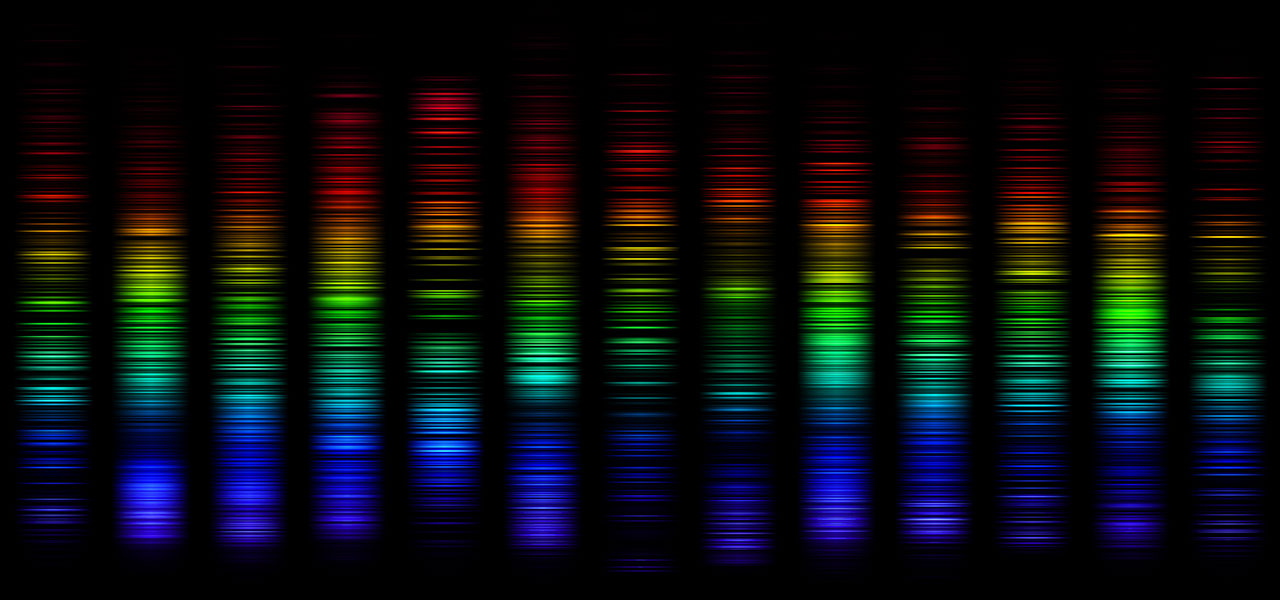
Chemists of the late 1800s expected another alkali metal, with atomic number 87, to exist below cesium on the periodic table. But its discovery proved extremely elusive until 1939. Marguerite Perey, of the Curie Institute in Paris (where she had been mentored by Marie Curie), identified francium after purifying a sample of the radioactive isotope actinium-227. The actinium decayed into something with an unexpected energy, and she wanted to identify what it could be.
After eliminating various possibilities (thorium, radium, lead, bismuth, and thallium), she concluded it might be the long-sought element 87. She correctly surmised that some of the actinium-227 underwent alpha decay to produce an isotope of the new element—francium-223. She later named the element francium, after her home country.