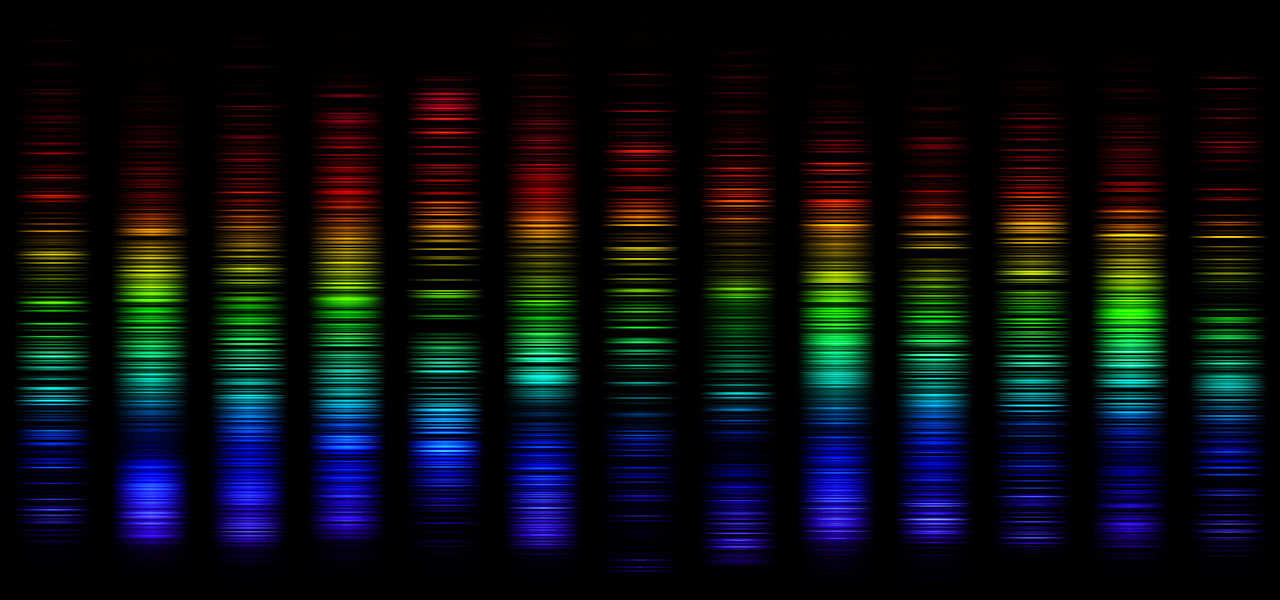
Boron compounds, like borax, have been used since ancient times. The Egyptians used borax in mummification and cleaning, while the Chinese used it in glazes for pottery. However, it wasn’t until the 1800s that scientists discovered boron as an element.
In 1808, three chemists, Sir Humphry Davy in England and Joseph Louis Gay-Lussac and Louis Jacques Thénard in France, were able to isolate boron almost at the same time. They used similar methods, involving heating borax with potassium to create a dark powder, which was the element boron. However, the boron they isolated wasn’t pure. Pure boron wasn’t isolated until 1909 by American chemist Ezekiel Weintraub.
Pure boron is incredibly rare in nature, but it’s become important in modern technology. Boron is used in fiberglass, borosilicate glass (which is resistant to heat), and even in rocket fuel. It’s also used in nuclear reactors because it can absorb neutrons, helping control reactions.