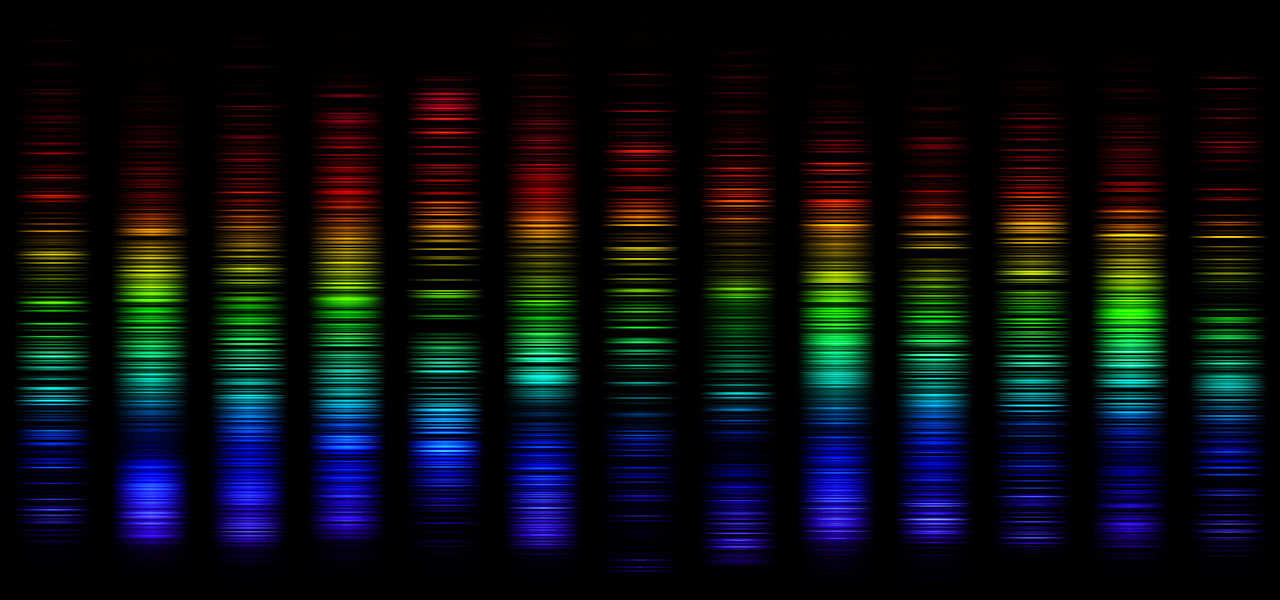
“Bologna stones” or lapis solaris—smooth pebbles of the barium-containing mineral baryte—can be found in volcanic rock near Bologna, Italy. Alchemists in the Middle Ages were fascinated by the baryte’s natural phosphorescence: when exposed to light, it would glow for years!
But it wasn’t until 1772 that Carl Scheele, a Swedish chemist, determined that baryte contained a new element. He was able to isolate barium oxide, but not barium itself. Barium is very reactive and is always bound to something when found in nature. Barium was first isolated by British chemist Sir Humprey Davy in 1808. Davy succeeded because he used the new process of electrolysis—using an electric current to drive the chemical separation. This method is still used to isolate barium today.