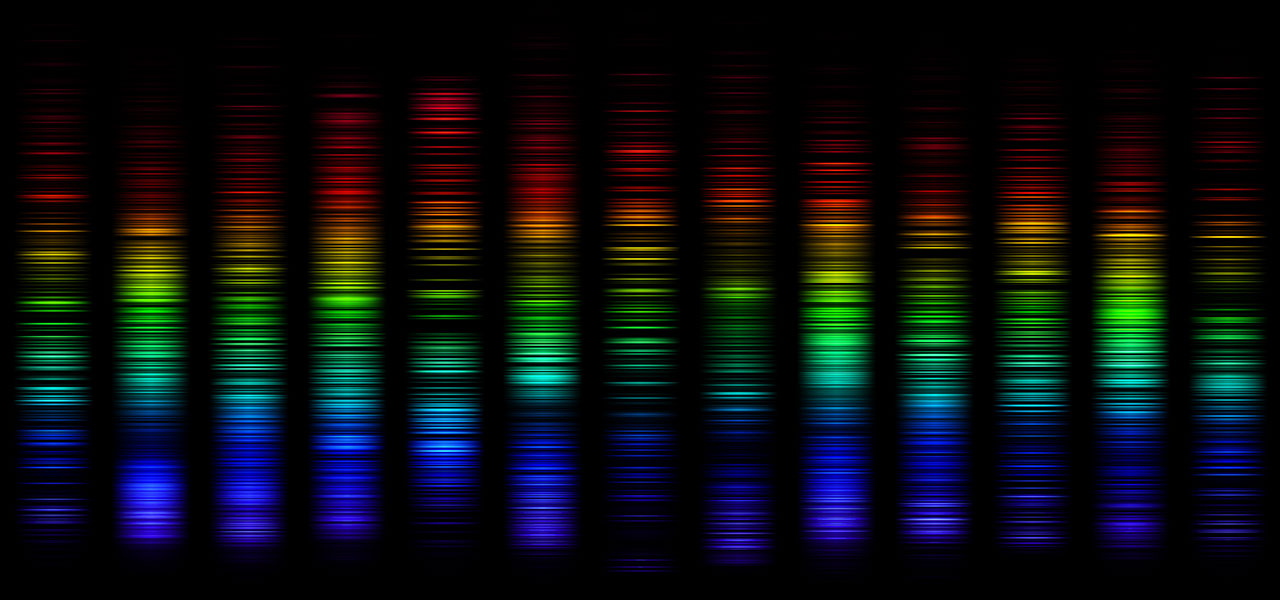
In 1785, British physicist Henry Cavendish studied the air in the atmosphere and found that it was made up of mostly nitrogen and oxygen. There was, however, a third gas that Cavendish could not identify. The gas was a mystery until 1984 when Sir William Ramsey and Lord Rayleigh used spectroscopy, the study of light and matter, to identify the colorless, odorless, and tasteless gas that we know as argon. Isolating the gas helped the chemists properly study its properties.
Named after the Greek word argos (“lazy”), this inert, or nonreactive, element was the first of the noble gases to be discovered.