
Read an introduction from Ellen Cerreta, Associate Laboratory Director for Physical Sciences
Download a PDF version of this issue.
Recognizing Scientific Achievement
American Nuclear Society Fellow
Christopher Stanek
Christopher Stanek (Nuclear Energy) was named a fellow of the American Nuclear Society for his “pioneering contributions to fuel and materials research and his exceptional leadership in advancing modeling and simulation for nuclear energy.”
Over his career, Stanek has led major national programs—notably as National Technical Director of DOE’s Nuclear Energy Advanced Modeling and Simulation Program from 2015 to 2024—helping to develop simulation tools that accelerate advanced reactor deployment.
His research has emphasized atomistic modeling of defects, materials behavior under irradiation, and nuclear fuel cycle materials.
ASM International Fellow
Amber Black
Amber Black (Sigma) was named a fellow of ASM International. She was cited for “outstanding contributions to the field of high-energy density processing of materials and devoted service dedicated to the advancement of ASM International.”
Black is a metallurgist and research and development engineer with expertise in electron beam additive manufacturing. A member of the ASM International Board of Trustees, she is a recipient of the ASM Bronze Medal and ASM Emerging Professionals Achievement Award and has led numerous ASM strategic planning committees.
BNL/RHIC sPHENIX Hero
Bade Sayki
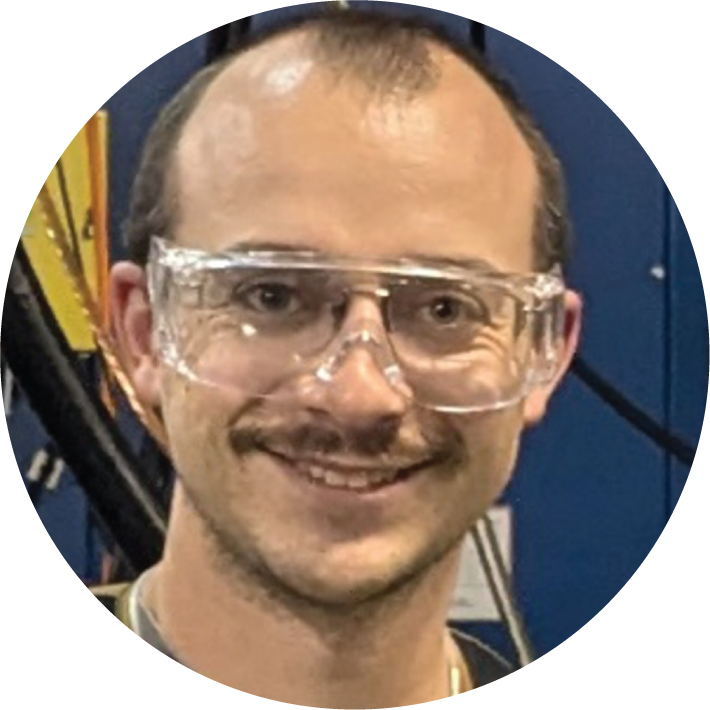
Bade Sayki (Physics) was named a “sPHENIX Hero” for her efforts in the operation of the sPHENIX high-energy particle physics experiment underway at Brookhaven National Laboratory’s Relativistic Heavy Ion Collider. The University of Colorado Boulder graduate student has been involved in nearly every aspect of the experiment’s time projection chamber outer tracker—a subsystem that helps calibrate the detector’s particle-tracking instrument and maximize its efficiency.
ICALEPCS Early Career Award
Anthony Braido
Anthony Braido (Accelerator Operations and Technology) is the recipient of the Early Career Award from the International Conference on Accelerator and Large Experimental Physics Control Systems (ICALEPCS). The biennial award recognizes individuals who have made exceptional contributions to the field of control and data acquisition systems during the early stages of their career.
Braido, who is primarily responsible for controls and diagnostics for the Los Alamos Neutron Science Center accelerator, joined the Lab in 2020. He earned a bachelor of science in electrical engineering from the University of Nevada, Reno, graduating magna cum laude with honors in his field of study.

TMS Brimacombe Medalist
Kester Clarke
Kester Clarke (Materials Science and Technology) was named a member of the Brimacombe Medalist class of 2025 by The Minerals, Metals, and Materials Society (TMS). Clarke was recognized for “sustained contributions to the science and application of metals processing, outstanding service to our technical community, and excellence in mentoring.”
Clarke leads the Materials Science in Radiation and Dynamics Extremes group. His experience includes serving as the Forging Industry Research and Educational Foundation Professor at the Colorado School of Mines and an engineer in industry.
Recognizing Scientific Service

ACS Committee on Chemistry and Public Affairs
Katharine Orr
Katharine Orr (Materials Science and Technology) has been selected to serve as a full voting member on the American Chemical Society’s (ACS) Committee on Chemistry and Public Affairs. The committee provides advice and recommendations for society action on public policy matters involving the chemical sciences and technologies. As a research technologist at Los Alamos, Orr is one of the few members of this national-level committee with a perspective on issues facing government science workers.

American Physical Society Four Corners Section
Verena Geppert-Kleinrath
Verena Geppert-Kleinrath (Physics) was elected vice chair of the American Physical Society’s Four Corners Section. As vice chair, she helps support the professional development of scientists and college students in New Mexico, Arizona, Colorado, and Utah. Geppert-Kleinrath is a Physics deputy group leader and leads the physics design for novel neutron and gamma imaging systems and radiography diagnostics for experiments at the National Ignition Facility, the Omega Laser Facility, and the Nevada National Security Site.

Deep Underground Neutrino Experiment
Sowjanya Gollapinni
Sowjanya Gollapinni (Physics) was elected co-spokesperson for the international neutrino project, the Deep Underground Neutrino Experiment (DUNE). Fermilab is the host laboratory for DUNE, in partnership with funding agencies and more than 1,400 scientists and engineers from all over the globe. Gollapinni has been involved with the DUNE collaboration since 2015. In 2022, she received a Lab Distinguished Performance Award for her accomplishments on DUNE and the Short-Baseline Neutrino Program.
National Academies Army Next Generation Armor Workshop Committee
George ‘Rusty’ Gray III
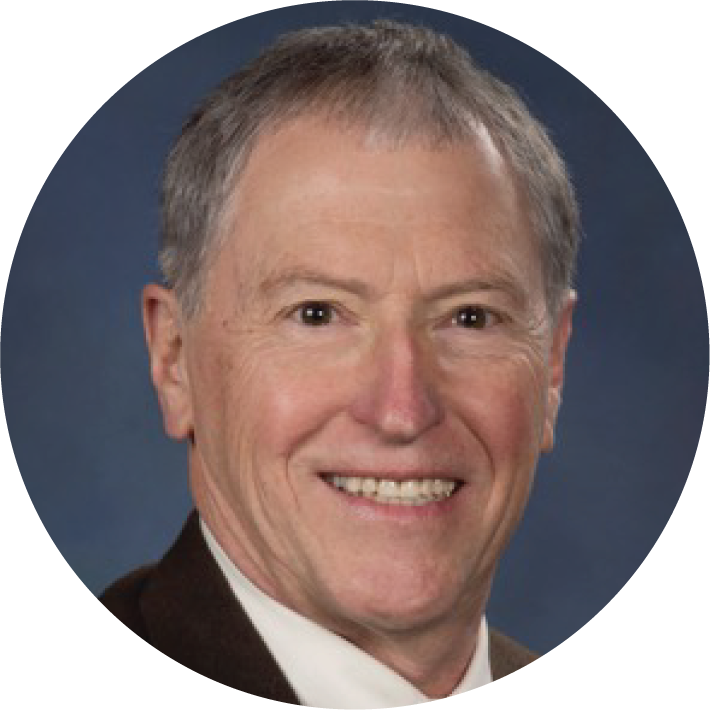
George “Rusty” Gray III (Materials Physics and Applications) served as chair of a series of armor workshops hosted by the National Academies of Sciences, Engineering, and Medicine. With a focus on high-performance steel and next-generation materials, the series covered current research and development in the US Army and abroad and identified promising avenues for future study. Gray is a member of the National Academy of Engineering and a fellow of Los Alamos National Laboratory, the American Physical Society, ASM International, and The Minerals, Metals, and Materials Society.
National Academy of Sciences
Brenda Dingus
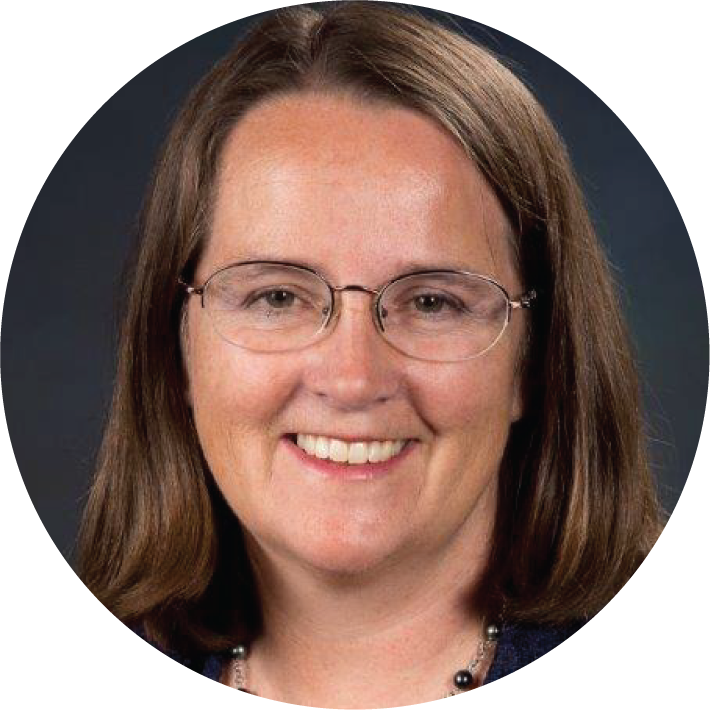
Brenda Dingus (Physics) was elected a member of the National Academy of Sciences in recognition of her contributions to science. The honor is a testament to her distinguished and continuing achievements in original research. Dingus has led several pioneering gamma-ray experiments, including analysis showing the first high-energy emission from a gamma-ray burst and the discovery of a previously unknown spectral component. She played a key role in the Milagro experiment’s discovery of additional gamma-ray sources and the first observation of small-scale anisotropy of cosmic rays. She also led the development, funding, and construction of the High-Altitude Water Cherenkov Observatory.

TMS Board of Directors
Clarissa Yablinsky
Clarissa Yablinsky (Materials Science and Technology) was elected to The Minerals, Metals, and Materials Society Board of Directors, where she will help guide the society’s mission and shape the future of the field. Yablinsky is a researcher on the Dynamic and Mechanical Testing team in the Nuclear Materials Science group.
Recognizing team achievement
Breakthrough Prize in Fundamental Physics
Jana Crkovska, Cesar da Silva, Matt Durham, Eliane Epple, Nicolas Schmidt, Hubert van Hecke, Ping Wong (Physics)
Physical Sciences staff were members of the international LHCb team that received the prize for its decade-long work at the European Organization for Nuclear Research’s (CERN) Large Hadron Collider. The award recognized the collaboration for its detailed measurements of Higgs boson properties, discovering new strongly interacting particles, and exploring nature “at the shortest distances and most extreme conditions.” The award is open to all physicists—theoretical, mathematical, experimental—working on the deepest mysteries of the universe. It was created in 2012 to recognize profound contributions to human knowledge.
DOE Secretary’s Honor Awards
The highest honor a DOE employee or contractor can receive, these awards recognize exceptional contributions to DOE’s mission. Physical Sciences staff were members of the following award-winning teams.
Exascale Computing Project Leadership Team
David Rogers (Materials Science and Technology)
The team was recognized for its work on the project, which developed “the world’s first sustainable exascale computing software ecosystem.” This 7-year collaboration, a joint effort by the DOE Office of Science and the NNSA, involved 6 DOE national labs and nearly 2,800 researchers and engineers. The outcome was the delivery of an exascale computing ecosystem to provide breakthrough solutions that address future challenges in energy assurance, economic competitiveness, healthcare, and scientific discovery, as well as growing security threats. The team also created more than 70 software technology products and fostered public–private partnerships that strengthen US competitiveness in the global computing market.
Nimble Subcritical Experiment Team
Johnny Goett (Physics)
The team was recognized for its advancement of a research capability at the Nevada National Security Site that is highly significant to NNSA and DOE missions. Such underground experiments involve nuclear material and high explosives, but do not reach criticality or release radioactive materials. The team was led by Lawrence Livermore National Laboratory, with experiment execution supported by Los Alamos and others.
NNSA Administrator’s Achievement Award
The award commemorates extraordinary accomplishments and contributions to the NNSA and its missions in support of national security. Physical Sciences staff were members of the First Production Unit Team.
First Production Unit Team
Cameron Richards (Materials Physics and Applications); Najeb Abdul-Jabbar, Alexandria Alcantara, Ronald Allen, Joseph Anderson, Veronica Anghel, David Arellano, Raymond Atta-Fynn, Simon Barlow, Seth Blackwell, Lynette Casados, Ashleigh Chov, Victoria Cox, Paul DeBurgomaster, Gus Dozhier, Ryan Fulcher, Ernesto Gallegos, Luke Geeting, Amber Gellis, Dustin Gibbons, Meghan Gibbs, Alberto Gomez, Crystella Gonzales, Mathew Hayne, Isaac Hernandez, Sarah Hickam, Matthew Janish, Roger Jaramillo, Jesse Jelinek, Trevor Johnson, Karl Krenek, Theresa Kucinski, Jacob Kummer, Eric Larison, Zachary Levin, Andrew Lloyd, Georgette Maestas, Aaron Martinez, Todd Martinez, Alessandro Mazza, Martina Mercure, Michael Middlemas, Helen Milenski, Jeremy Mitchell, Gordon Moore, Benjamin Morrow, James Mudd, Holly Neff, Dan Olive, Martin Oltmanns, Thomas Ontiveros, Katharine Orr, Kristen Pace, Eric Palmateer, Itzayana Patino, Adam Phelan, David Phillips, William Ponder, Derek Prada, Brett Robinson, Daniel Rodriguez, David Rogers, Fritzgerald Sandoval, Benjamin Schumer, Edwin Serrano, Victor Siller, Alice Smith, Todd Steckley, Paul Tobash, Igor Usov, Angelique Wall, Benjamin Walusiak, David Wayne, Derek Weber, Olivia Weir, Clarissa Yablinsky (Materials Science and Technology); Case Smith (Physics); Nicholas Barta, Zachary Jones, Cassidy Mazelin, Robert Rauschendorfer (Sigma)
The team successfully delivered the first production unit of the W87-1 plutonium pit and re-established war reserve pit production. This accomplishment is the result of overcoming numerous technical challenges, fostering innovative solutions, and demonstrating exceptional resilience and collaboration.
NNSA Defense Programs Awards of Excellence
Since 1982, the NNSA Office of Defense Programs has recognized individuals and teams across the nuclear security enterprise with awards acknowledging significant achievements in quality, productivity, cost savings, safety, or creativity in support of the nuclear weapons program.
Exceptional Achievement: Moonshine Experiment Team
Ari Foley-Janish, David Moore, Dan Olive (Materials Science and Technology)
The Los Alamos Moonshine experiment team developed an experimental concept and executed an actinide experiment at the Dual-Axis Radiographic Hydrodynamic Test Facility. Moonshine helped create a new materials testing capability, a novel diagnostic suite, and new simulation capabilities.
Exceptional Achievement: W87-1 Plutonium Pit FPU Team
George “Rusty” Gray III, Cameron Richards (Materials Physics and Applications); Najeb Abdul-Jabbar, Alexandria Alcantara, Victoria Ambriz, Joseph Anderson, Veronica Anghel, David Arellano, Raymond Atta-Fynn, Simon Barlow, Nicholas Barta, Seth Blackwell, Lynette Casados, Ashleigh Chov, Victoria Cox, Paul DeBurgomaster, Gus Dozhier, Alexander Edgar, Ryan Fulcher, Ernesto Gallegos, Luke Geeting, Amber Gellis, Dustin Gibbons, Meghan Gibbs, Alberto Gomez, Crystella Gonzales, Mathew Hayne, Isaac Hernandez, Matt Jackson, Matthew Janish, Roger Jaramillo, Jesse Jelinek, Trevor Johnson, Karl Krenek, Theresa Kucinski, Jacob Kummer, Eric Larison, Zachary Levin, Andrew Lloyd, Georgette Maestas, Aaron Martinez, Todd Martinez, Cassidy Mazelin, Alessandro Mazza, Martina Mercure, Michael Middlemas, Helen Milenski, Jacob Mingear, Jeremy Mitchell, Gordon Moore, Benjamin Morrow, James Mudd, Holly Neff, Dan Olive, Martin Oltmanns, Thomas Ontiveros, Katharine Orr, Mark Ortega, Kristen Pace, Eric Palmateer, Itzayana Patino, Adam Phelan, David Phillips, William Ponder, Derek Prada, Brett Robinson, Daniel Rodriguez, David Rogers, Fritzgerald Sandoval, Benjamin Schumer, Edwin Serrano, Victor Siller, Alice Smith, Todd Steckley, Paul Tobash, Igor Usov, Benjamin Walusiak, David Wayne, Derek Weber, Olivia Weir, Clarissa Yablinsky (Materials Science and Technology); Ellen Cerreta (Physical Sciences)
NNSA, including partner laboratories and production plants, achieved the first production unit of the W87-1 plutonium pit in 2024. Reaching the milestone is the culmination of more than a decade of planning, research and development, facility modernization, and workforce commitment.
Detonator Pellet Can Assembly Team
Michael Guzman (Accelerator Operations and Technology)
The team successfully produced the first diamond-stamped detonator pellet can assembly for the W80-4 Life Extension Program. Establishing this production capability required exceptional creativity, collaboration, and rapid execution.
Los Alamos ENDF/B-VIII.1 Development Team
Shea Mosby (Accelerator Strategy Office); Esther Leal Cidoncha, Aaron Couture, Matthew Devlin, Keegan Kelly, Sean Kuvin, Hye Young Lee, Som Paneru (Physics)
The team developed and released a new nuclear data library. The resource provides significant improvements for Los Alamos and NNSA applications, including stockpile stewardship, global security, and criticality safety.
NNSA Office of Infrastructure Excellence Award
NNSA’s Office of Infrastructure recognized exceptional infrastructure accomplishments made in support of the mission. Physical Sciences staff were members of the Bag-Out Port and Trolley Repair Rapid Response Team.
Bag-Out Port and Trolley Repair Rapid Response Team
Christopher Bast (Accelerator Operations and Technology); Matthew Vigil (LANSCE Facility Operations)
A multidisciplinary team applied innovative solutions to address a failed trolley used to transport materials and waste items from gloveboxes—all in under a month.
R&D 100 Awards Finalist
Physical Sciences staff were members of the LAROMance team, which was recognized as a finalist in the awards program that honors the top 100 proven technological advances of the year.
LAROMance: Los Alamos Reduced Order Models for Advanced Nonlinear Constitutive Equation
Laurent Capolungo, Andrea Rovinelli, Andre Ruybalid (Materials Science and Technology)
LAROMance provides a turnkey solution to model materials response at the component level during harsh or off-normal scenarios that are difficult to study experimentally.