Los Alamos' Plutonium Facility completes its most productive year
Several key milestones met or exceeded in fiscal year 2026
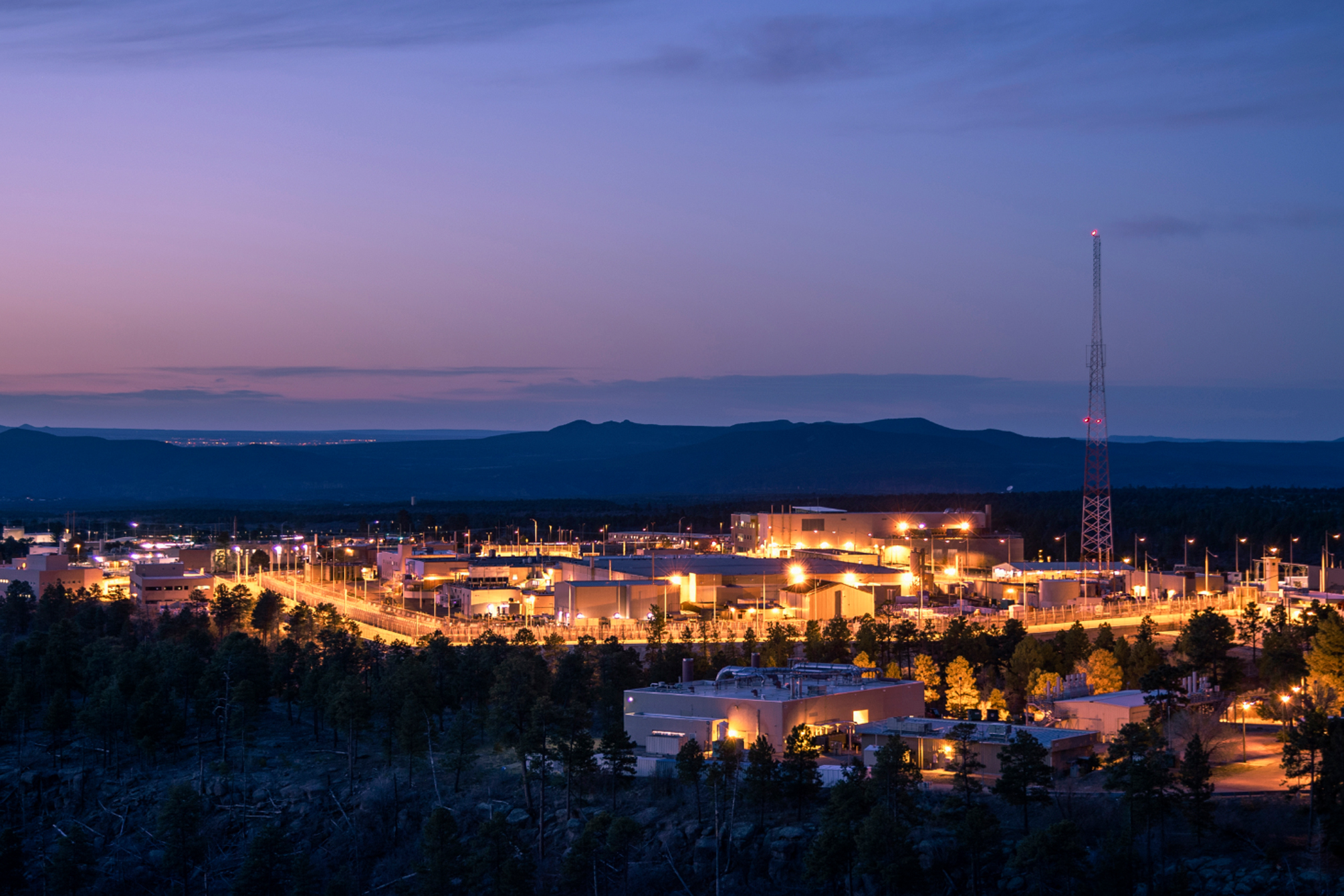
Fiscal year 2026 was the most productive year in the 48-year history of the Plutonium Facility, also known as PF-4. The Laboratory produced significantly more plutonium pits as in the prior fiscal year, far exceeding initial goals set for Los Alamos by the National Nuclear Security Administration.
“The nation is facing unprecedented geopolitical challenges, the likes of which haven't been seen in several decades,” said NNSA Administrator Brandon Williams. “PF-4 is a stunning success in pit production rates — and that's just the most visible of countless mission-critical activities Los Alamos is doing to make our nation more secure.”
After the W87-1 plutonium pit first production unit was diamond-stamped by NNSA in the fall of 2024 — a key step toward modernizing the nation's stockpile — the Laboratory focused on process improvements and infrastructure upgrades in PF-4 necessary to meet the long-term safety and security demands of full-scale pit production.
Fiscal year 2026 saw the Laboratory reap the benefits of that foundational work in PF-4 and take a significant step forward in construction and production, all while reinforcing safe and secure operations. The safety incident rates improved for production and for construction as the number of daily activities increased. The rate of workplace injuries and illnesses recorded under OSHA standards decreased by 11% in fiscal year 2026. The rate of cases requiring time away from work or changes to normal duties decreased 9%. Both measures account for hours worked, allowing performance to be tracked as work hours increase. Injury rates for PF-4 and Los Alamos National Laboratory as a whole are well below industry averages for both manufacturing and construction work.
While Los Alamos particularly excelled in plutonium pit production at PF-4, it also achieved major progress in everything from subcritical experiments and pit surveillance to heat source production, plutonium supply, infrastructure development and facility maintenance and operations.
The Laboratory continued essential infrastructure upgrades in PF-4 by removing 20 gloveboxes and other equipment to create additional space, advancing the installation of seismically qualified gloveboxes and other equipment (13 were completed and 25 are in progress), and completing the facility’s elevator upgrade.
About 1,000 full-time staff members work in PF-4, which operates around the clock, every day of the week. Even so, achieving such success required contributions from every corner of the Laboratory. That meant thousands of employees working together, including staff from not just the weapons programs but also from science and operations.
“The urgency required of our national security mission is clear across the Laboratory at all levels of the workforce," said Laboratory Director Thom Mason. “Los Alamos is expected to deliver the next generation of deterrence for the nation, and we have risen to meet that challenge head on.”
LA-UR-26-22428