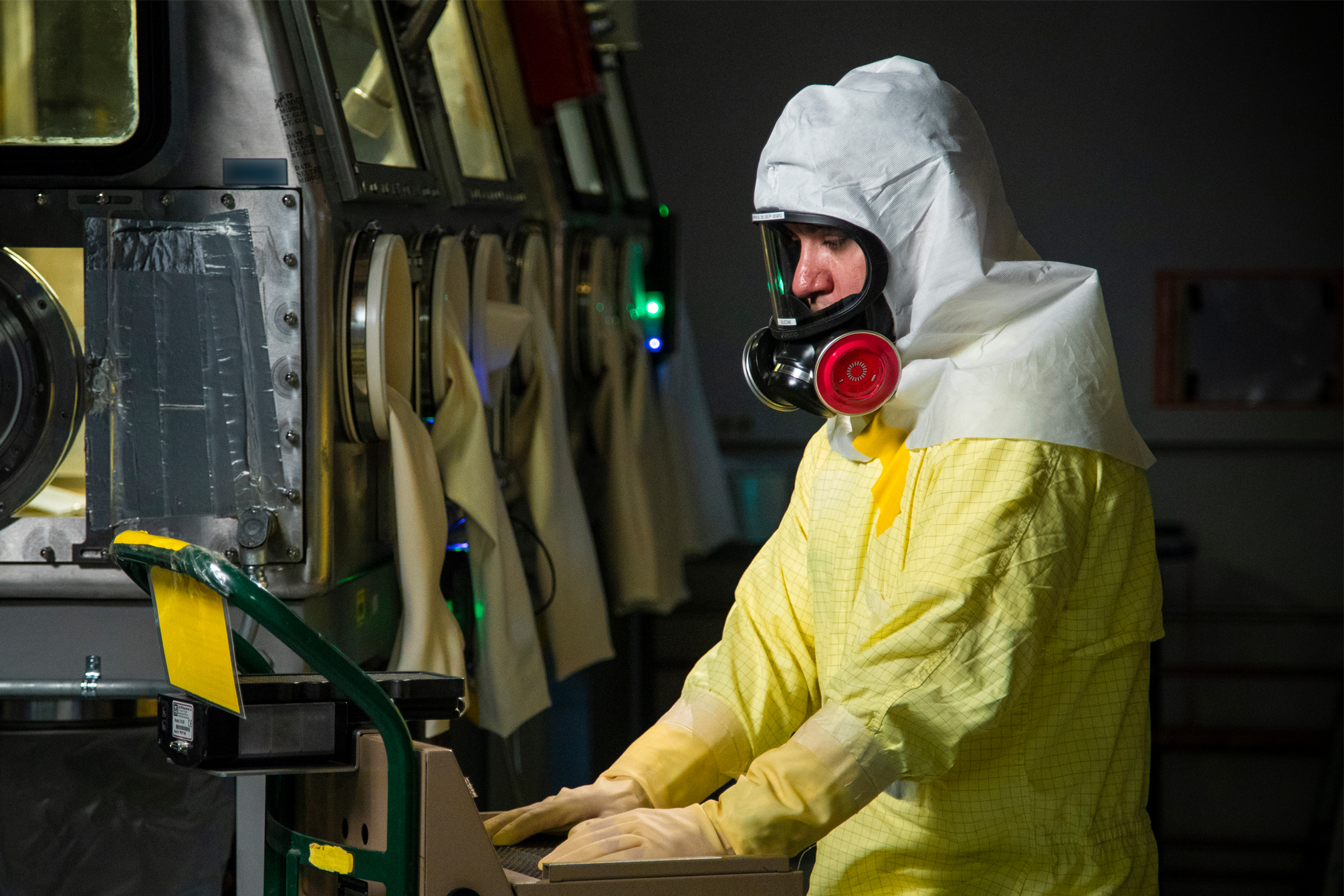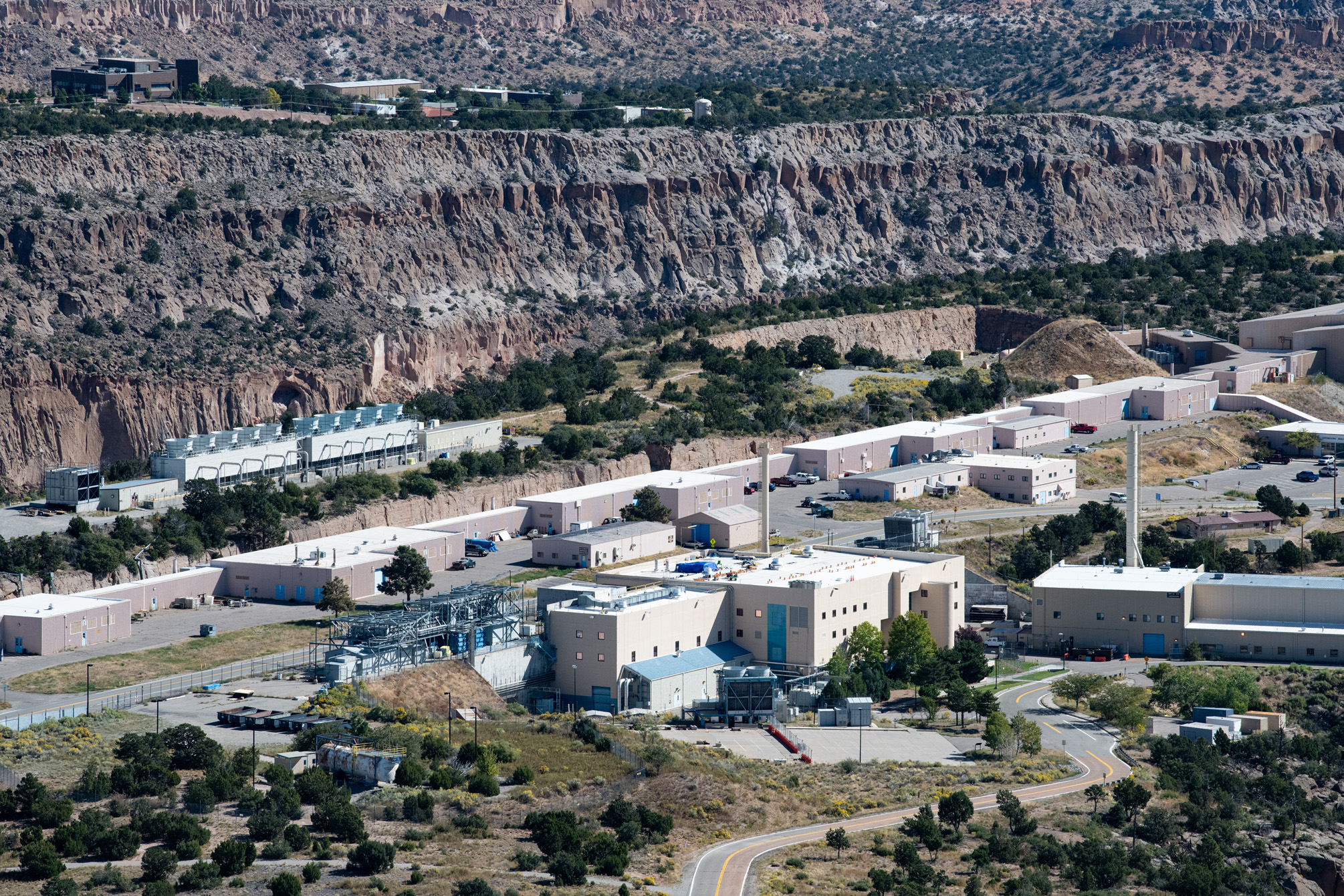
The Los Alamos Neutron Science Center (LANSCE) Accelerator Modernization Project (LAMP) has received Critical Decision-1 (CD-1) approval from the National Nuclear Security Administration, marking a significant milestone toward modernizing one of the Laboratory's most critical facilities.
The approval, granted by U.S. Deputy Secretary of Energy James Danly on June 1, enables LAMP to advance into the design phase, where detailed plans for replacing and modernizing multiple accelerator systems and components within the LANSCE front end will be developed. These systems have remained largely unchanged since the facility’s initial startup more than 50 years ago and include unique and obsolete components for which no replacements exist.
“Reaching CD-1 just 18 months after CD-0 is a real accomplishment for a project of this size and complexity,” said Charlie Nakhleh, deputy Laboratory director for Weapons. “Everyone involved should be exceptionally proud. CD-1 gives us a clear path forward, ensuring LANSCE will continue delivering the world-class accelerator capabilities our national security mission requires.”
A unique national asset
LANSCE occupies a distinctive position in the nation’s scientific infrastructure. The facility provides an integrated suite of capabilities found nowhere else in the nation — dynamic proton radiography, materials science, neutron scattering and nuclear physics experimental capabilities in one location authorized to use hazardous materials and handle classified data.
These capabilities support essential work weapons component qualification for stockpile sustainment, advanced manufacturing initiatives for both modern and aging components, nuclear data generation for simulation and modeling, and radiochemistry research relevant to nuclear weapon science and threat assessment.
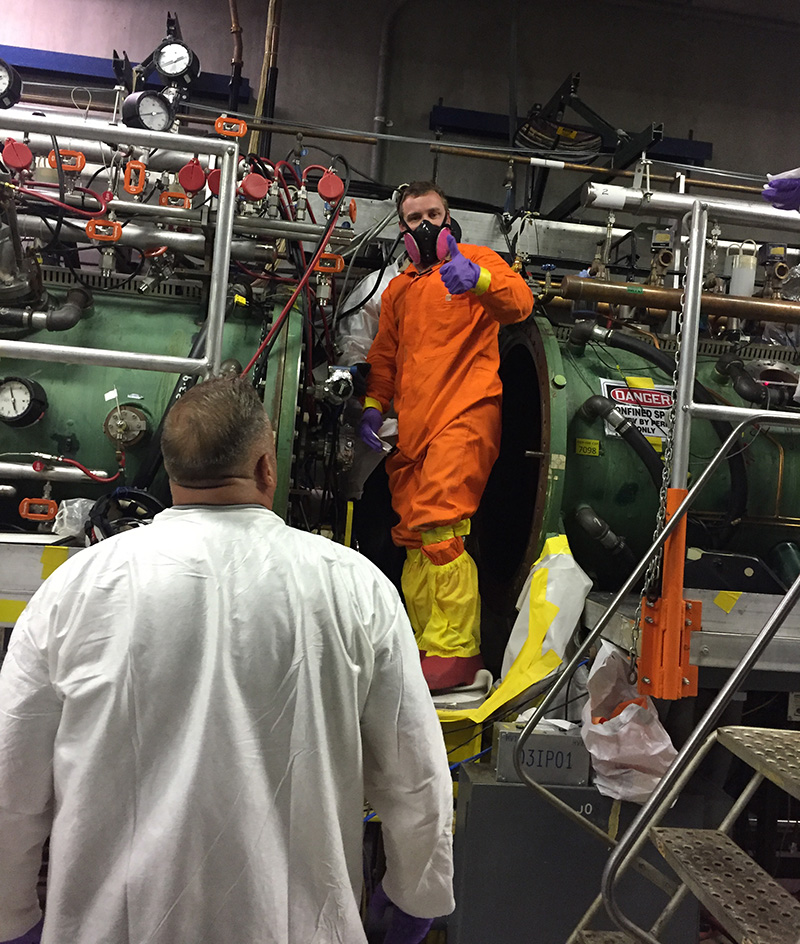
“The LANSCE modernization helps ensure we can continue delivering on mission-relevant science for decades to come,” said Pat Fitch, deputy Laboratory director for Science, Technology and Engineering. “Moving into the design phase is a crucial step toward addressing aging infrastructure challenges so that the facility can consistently exercise the experimental capabilities that address national security needs and important scientific challenges.”
Addressing infrastructure challenges
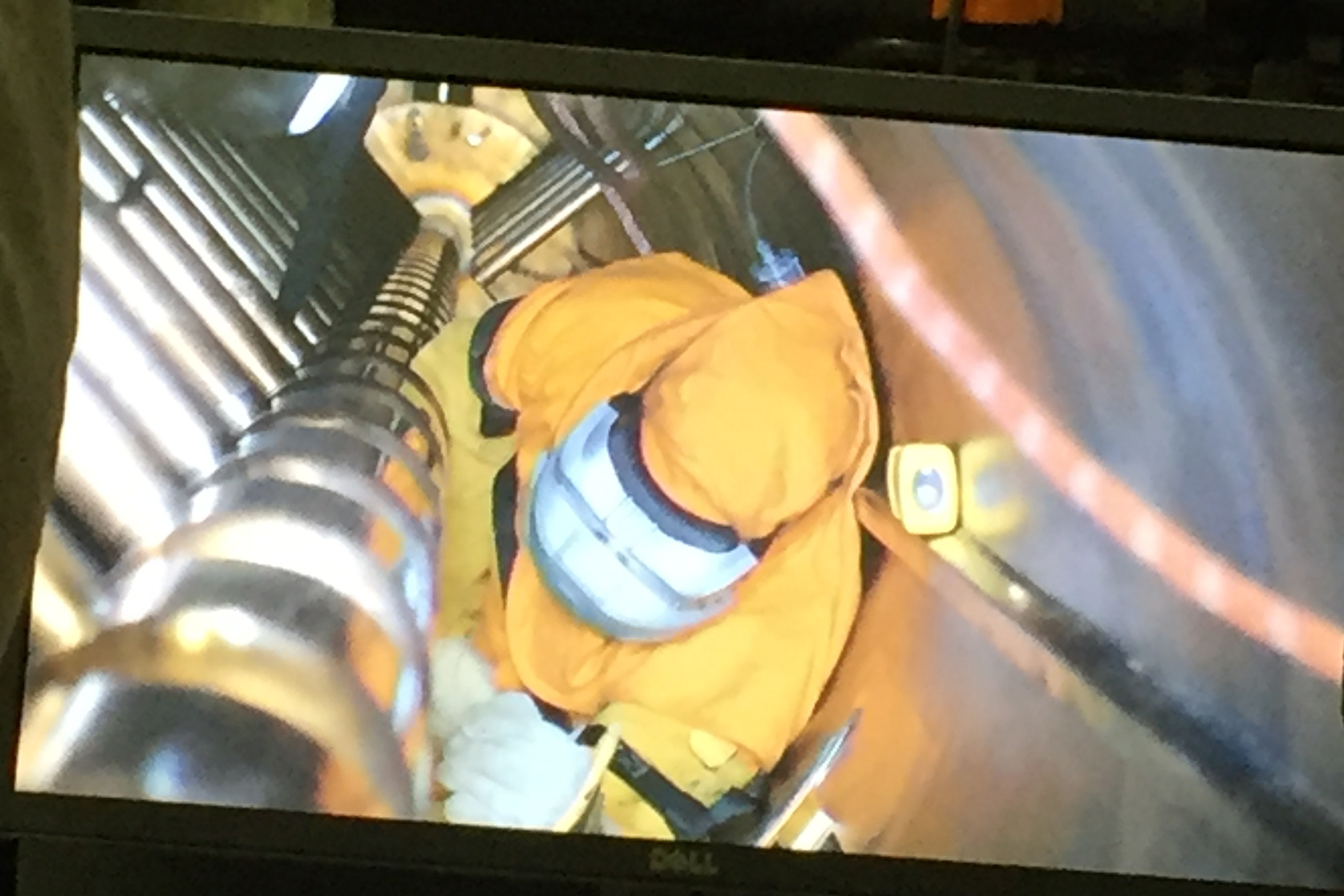
In recent years, LANSCE's aging systems have shown increasing signs of wear, with significant end-of-life failure indications and increased downtime affecting beam availability and quality. The facility is the last U.S. accelerator using certain high-voltage generator technology, and critical components such as the drift tube linac have required extensive repairs, including emergency interventions following a significant failure in 2019.
LAMP will replace the accelerator’s front end with modern ion sources and components. The modernization project, with a cost range of $687 million to $1 billion, is designed to maintain experimental capabilities while increasing reliability, reducing maintenance requirements, improving worker safety and extending facility longevity for both NNSA and non-NNSA customers.
LAMP, funded through the NNSA Office of Experimental Sciences, received approval of mission need, CD-0, in November 2024. The project team will now advance toward CD-2/3, developing detailed designs and establishing the project baseline.
LA-UR-26-25108