Applications & Expertise
Across Los Alamos, researchers use flow cytometry for a broad range of scientific discovery. The technique makes it easy to rapidly analyze large numbers of cells or particles for a multitude of applications.

Across Los Alamos, researchers use flow cytometry for a broad range of scientific discovery. The technique makes it easy to rapidly analyze large numbers of cells or particles for a multitude of applications.
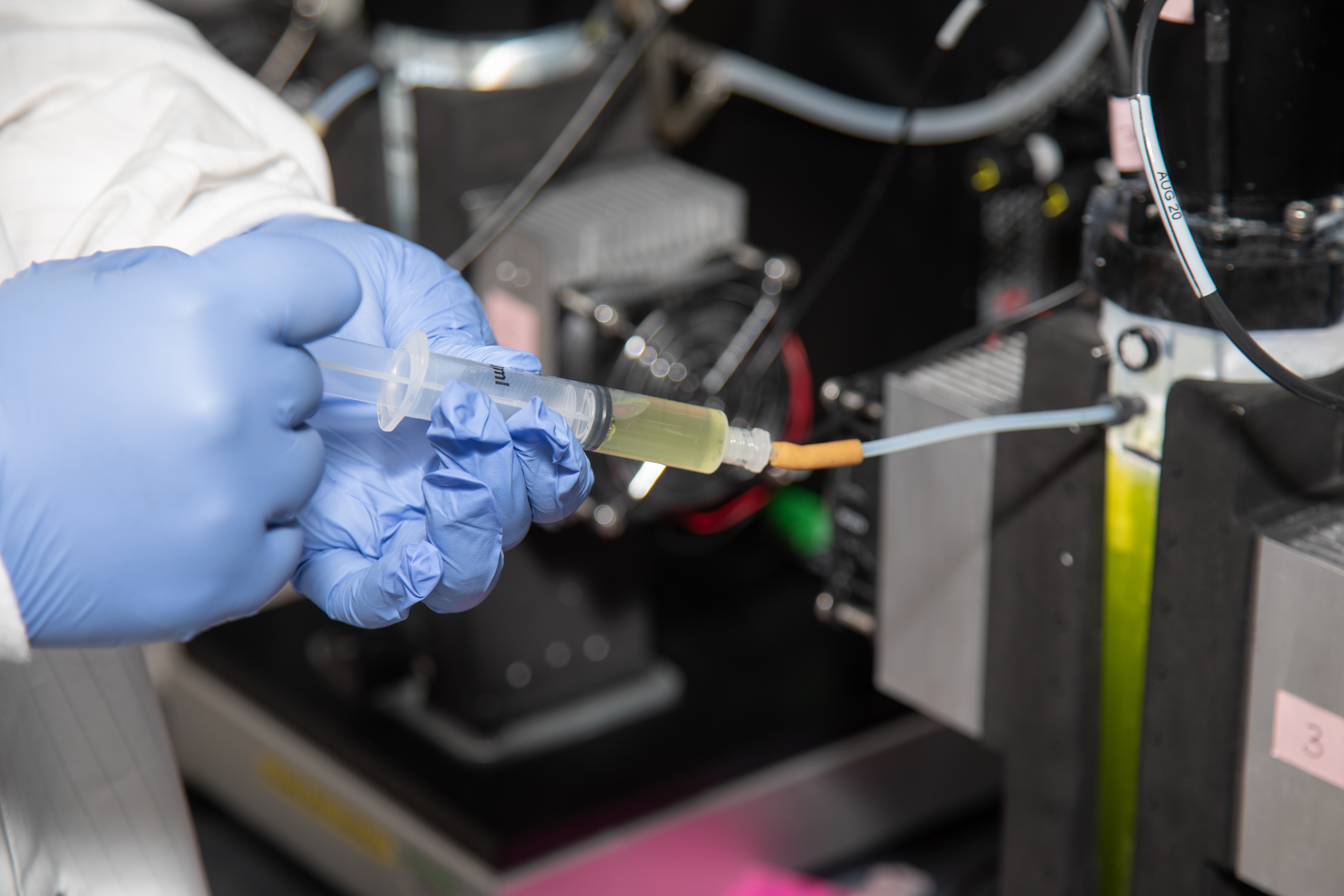
Phototrophic organisms, both eukaryotic algae and cyanobacteria, are being developed as a feedstock for a variety of valuable products, including biofuels, sustainable aviation fuel (SAF), nutraceuticals, and chemicals. Tracking culture growth, health, and product generation is essential to understanding and improving biomass accumulation and composition. We conduct high-throughput analysis of populations using flow cytometry to monitor culture growth and cell physiology, both through intrinsic cell properties, like relative size and chlorophyll content, and fluorescent labeling of cellular products, such as neutral lipids as a biofuel precursor. Naturally occurring, mutagenized, or engineered subpopulations can be isolated through sorting and regrown to generate cultures with improved productivity.
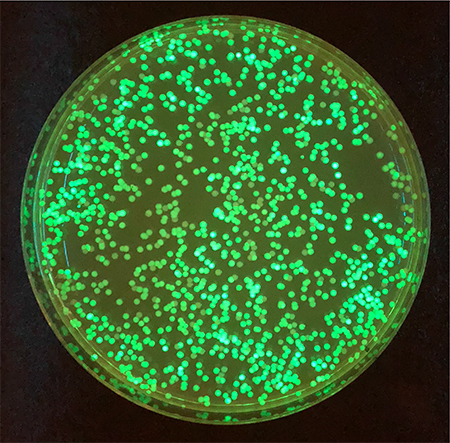
Enzymes and engineered microbes are powerful biocatalysts—able to convert carbon sources into high-value molecules, and to break down waste into reusable building blocks. To discover and optimize catalysts, we design whole-cell biosensors that detect products using fluorescence signals. Flow cytometry, through Fluorescence-Activated Cell Sorting, allows us to rapidly screen and isolate millions of individual cells based solely on this fluorescence. Our high-throughput capability works with a diverse set of host organisms, driving innovations such as producing polymer precursors from simple sugars, identifying microbes that degrade plastics and pesticides, and detecting pathways leading to advanced biofuel precursors. By coupling biosensor design with flow cytometry, we engineer biocatalysts for sustainable biomanufacturing and environmental remediation.
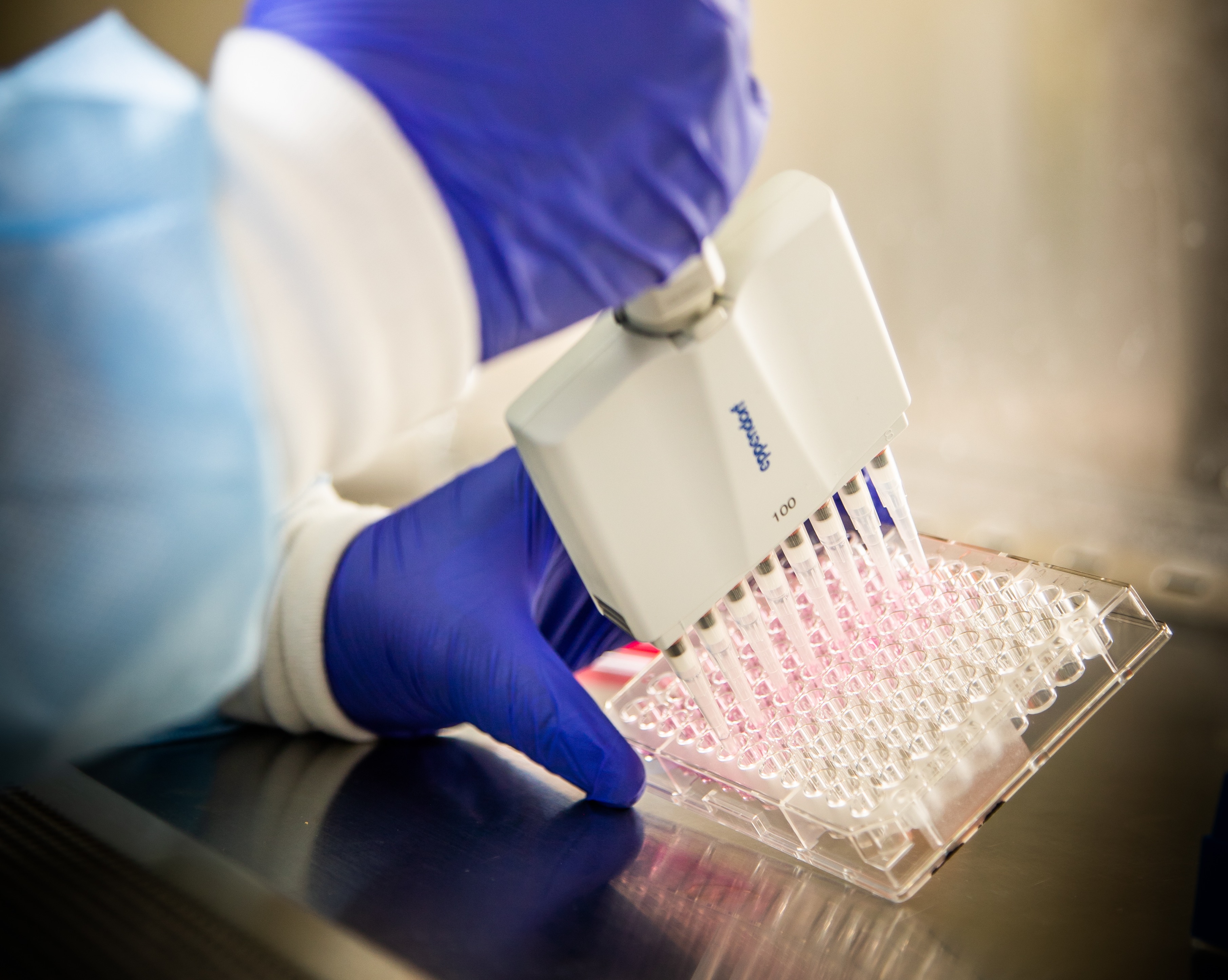
Flow cytometry capabilities at Los Alamos support comprehensive analysis of immune function at the cellular level. Our scientists use a broad range of assays to measure cytokine and chemokine production, assess cell proliferation, and characterize cell surface markers. These approaches enable evaluation of both innate and adaptive immune responses, providing detailed mechanistic insight into cellular activation, differentiation, and immune regulation. By combining advanced flow cytometry with robust data analysis pipelines, Los Alamos delivers high-resolution immune profiling that advances both fundamental research and medical countermeasure development.
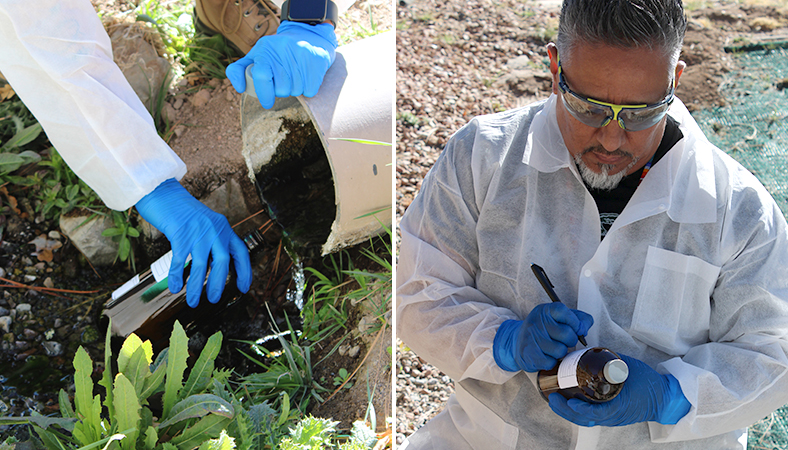
By leveraging flow cytometry’s high-throughput analysis capability, Los Alamos scientists survey large amounts of samples relevant to environmental health and safety to gather data on important routine or problematic trends. Such examples include the elucidation of the microbial populations found in bodies of water, wastewater treatment processes, bioaerosols, and even soil. By pairing collected flow cytometry data with their respective environmental data, we gain valuable insight into various biological factors and processes often overlooked in these environments. Additionally, we can select a population of interest though cell sorting, which allows us to isolate those cells for cultivation or next generation sequencing for further, more detailed analyses of a microbe’s role on relevant environmental processes.
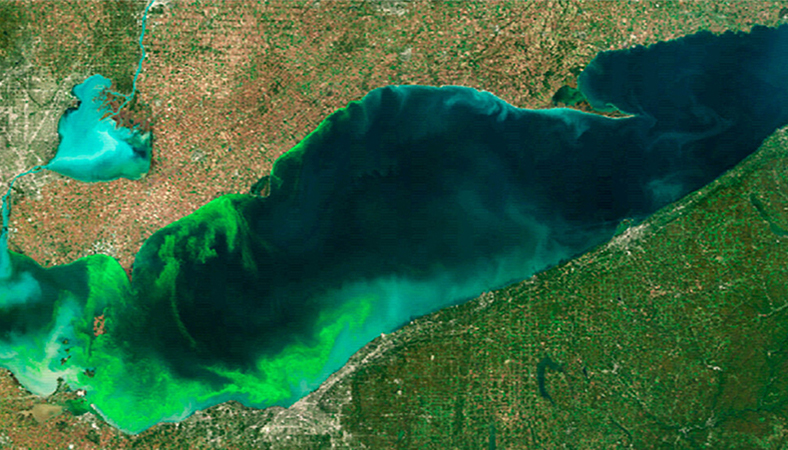
Cyanobacteria and algae cause Harmful Algal Blooms (HABs) which arise from a rapid increase in nutrients. Annual Blooms are a problem worldwide, causing significant health and economic problems. Mitigation requires year-round monitoring through costly, time-consuming lab processes that are oftentimes not feasible in the areas of highest need. Using flow cytometry, Los Alamos scientists can quickly and efficiently quantify even slight shifts in sample communities, which could indicate the early onset of a HAB. We can also tease out the algal proportion of a HAB sample and interrogate cell size, granularity, and a multitude of intracellular attributes not limited to chlorophyll, lipid content, and stress factors. Together, these data help inform us on microbial activity and even toxin production potential based on unique fluorescence signatures.
Los Alamos scientists use flow cytometry to accelerate the process of screening antibodies and antibody-like proteins for use as therapeutics. Using well established capabilities such as phage and yeast display, our scientists can evaluate very large libraries of antibodies or antigen variants and select those which bind to a target molecule or to multiple variants of a target. Rapid, high-throughput screening using flow cytometry allows scientists to tailor discovery, for instance selecting the best candidates for antibody/antibody-like therapeutics, or choosing which antigen variants should drive the design of antibody therapeutics. Flow cytometry also facilitates the development of data sets of variants with a range of a target characteristics—such as thermostability or toxicity—which are then used to learn how to predict that characteristic.
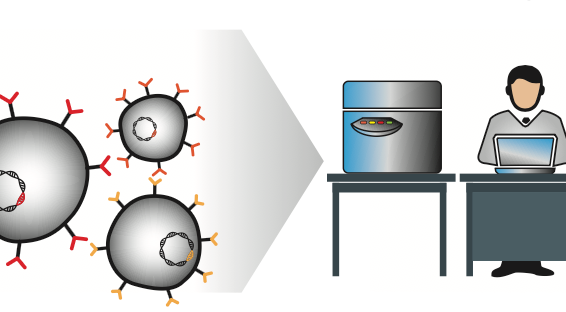

Flow cytometry generates highly multiparametric data in a high-throughput fashion, making it ideal for Artificial Intelligence and Machine Learning algorithms. Natural and artificial genetic perturbation can have profound effects on cellular physiology, resulting in changes to cell size, granularity, intrinsically fluorescent biomolecules, intra- and extracellular markers, organelles, and cell composition. Los Alamos scientists have developed ML analytics to measure and deconvolute these changes within samples and populations for a broad range of applications.
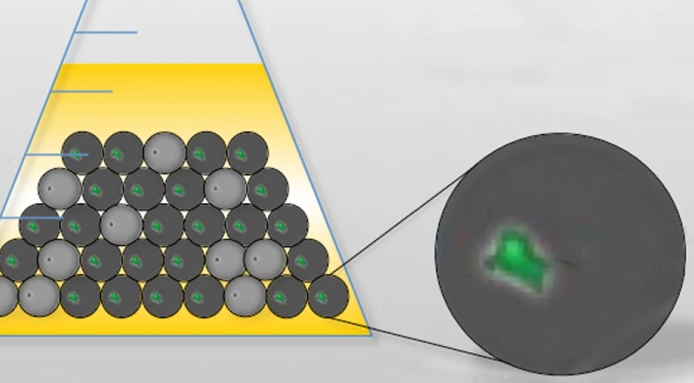
Some bacteria and archaea fail to grow in the lab. Los Alamos scientists developed a method to allow microbes to grow as a complex community (mimicking nature) and to screen and separate them with flow cytometry. This method, called single cell genomics with gel microdroplets (SCG+GMD) captures single microbial cells in micron-sized spheres of gel with pores and channels for nutrient, chemical, and gas exchange. As the cells grow, they remain in the GMD. Using high-throughput flow cytometry we rapidly screen millions of GMDs in seconds and sort them for analysis. We use this pipeline to explore oral and gut microbiomes for therapeutics and microgravity-related studies, to isolate potentially ancient bacteria from permafrost, to understand plant material degradation, and to identify novel bacteria in animal gut microbiomes.
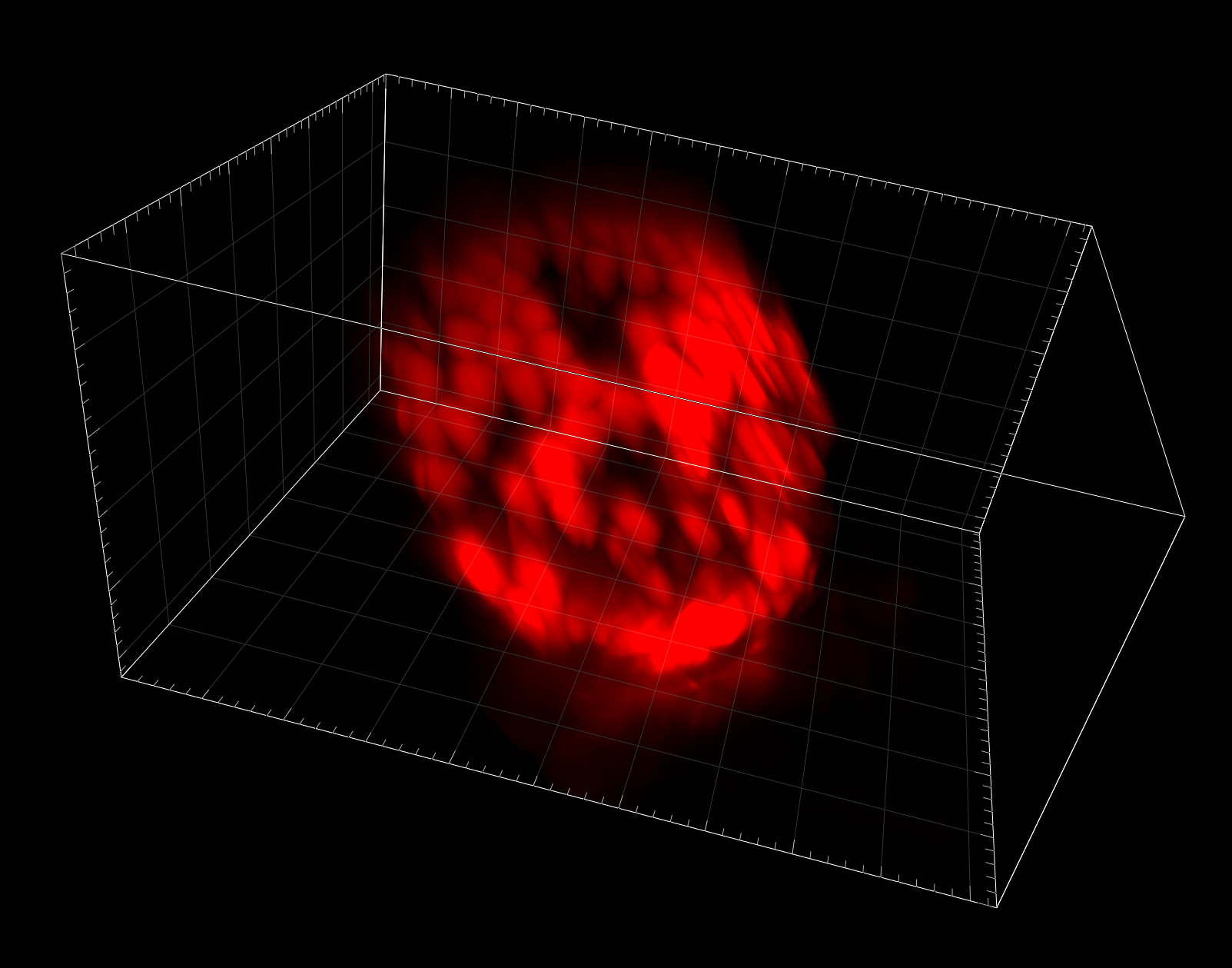
Building on expertise in optics, fluidics, and electronics, Los Alamos scientists are always exploring the development of new flow cytometry-based instrumentation for interrogating biological systems. Recent work includes a microfluidic-based cytometers for analysis of either small sample volumes or encapsulated particles and a 3D imaging flow cytometer that couples cytometry with light sheet microscopy for visualization of cells in their native, fluidic environments.